
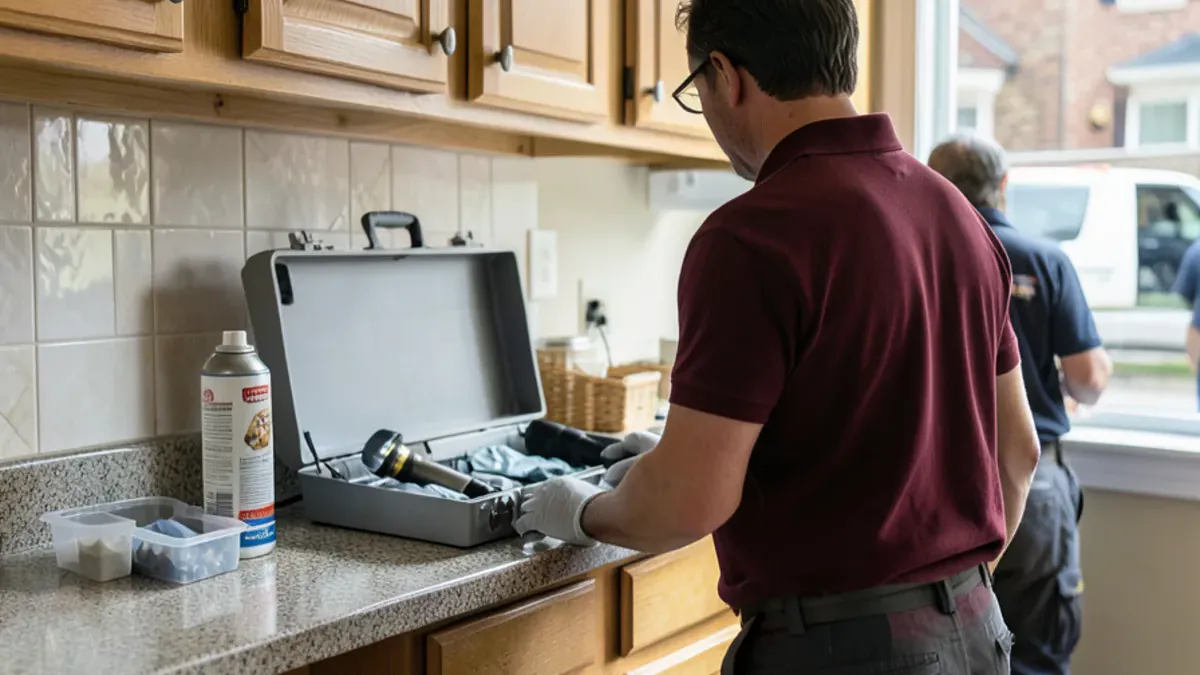
When you weigh DIY pest control vs exterminator service, the pest matters far more than your skill with a spray can. Bed bugs, German cockroaches, termites and anything that returns after two honest rounds of store-bought product are where a professional visit earns its place.
Where DIY pest control genuinely works
A few sugar ants, a lone mouse in the garage or a paper wasp nest under the deck rail are fair weekend projects.
Plenty of pest problems in a Delaware County house come from seasonal visitors rather than residents. Stink bugs crawling in around fall window frames, a cricket in the basement or a handful of ants after a heavy rain usually respond to a vacuum, a tube of caulk and some patience.
DIY also works when the fix is about conditions instead of chemicals. Running a dehumidifier in a damp basement, stacking firewood away from the siding, closing the gap under a garage door and keeping pet food in a lidded bin will do more against spiders, centipedes and mice than most products on a hardware store shelf.
The common thread is simple: the pest is visible, the source is obvious, and you can tell within a week or two whether your effort worked.
Should I call an exterminator, or can I handle this pest myself?
Use this table as a rough sorting tool. The right-hand column lists the signals that tell us a problem has moved past what a homeowner can reasonably fix alone.
| Pest | Reasonable to try yourself | Call a professional when |
|---|---|---|
| Odorous house ants | Sweet gel bait set beside the trail, crumbs cleaned up, no spray nearby | Trails return after two weeks of baiting or appear in several rooms |
| Spiders and centipedes | Vacuuming webs, drying the basement, sealing gaps at the sill | You see many every week, which usually means plenty of prey insects too |
| A single mouse | Snap traps set along walls in the garage or basement | You catch more than two, hear activity in walls or find droppings in drawers |
| Paper wasps | A small, low nest under a railing, treated at dusk with a labeled aerosol | The nest is high, inside a wall void, or someone at home has a sting allergy |
| German cockroaches | Very little; retail sprays tend to scatter them | Any daytime sighting, or more than one small nymph |
| Bed bugs | Drying bedding on high heat while you arrange an inspection | Always; sprays and foggers push them into walls and nearby rooms |
| Termites | Keeping mulch, soil and scrap wood off the foundation | Any mud tube, indoor swarm or soft wood near the sill |
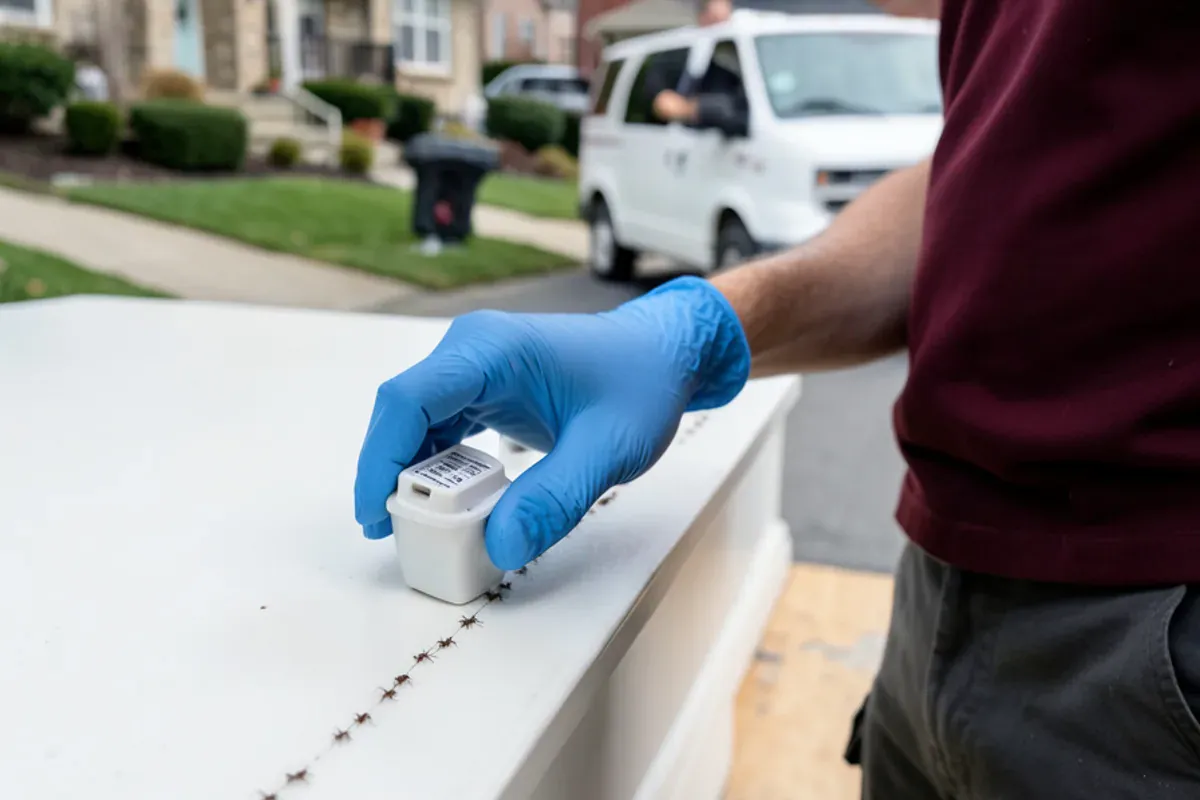
Store-bought bug spray vs professional treatment
Retail insecticides are formulated to be safe in untrained hands, which usually means lower concentrations and repellent formulas. Repellency sounds helpful, but it teaches ants and roaches to walk around the treated strip, and it can split an ant colony into several new ones.
A professional treatment is less about stronger chemistry and more about choosing the right product type and putting it in the right spot: non-repellent materials where insects travel without noticing, baits inside cracks rather than on open counters, and dusts in voids a spray never reaches. Here is what a trained visit adds:
- Identification first, so the treatment targets the species you actually have
- Products and application methods not sold for homeowner use
- Placement in voids, crevices and entry points instead of open floors
- A follow-up check to confirm the population is falling
- Advice on the moisture, clutter or gaps that let the pest in
When to call a pest control company instead of buying another can
Three questions sort most cases. Is the pest a health or structural risk? Has it survived your first two attempts? Is it showing up in new rooms? A yes to any of them is a sensible point to stop experimenting and book a visit from our general pest control service.
Some situations should skip the DIY stage entirely: a wasp nest beside a doorway when someone in the house has a known sting allergy, droppings in a child's bedroom, wood that crumbles near the sill plate, or bites that start after a trip. A severe sting reaction calls for 911 or prompt medical care first; the nest can wait.
Renters have an extra reason to call early. Treating your own unit can push roaches or bed bugs next door, and many leases assign pest responsibility to the landlord. This is general information, not legal advice.
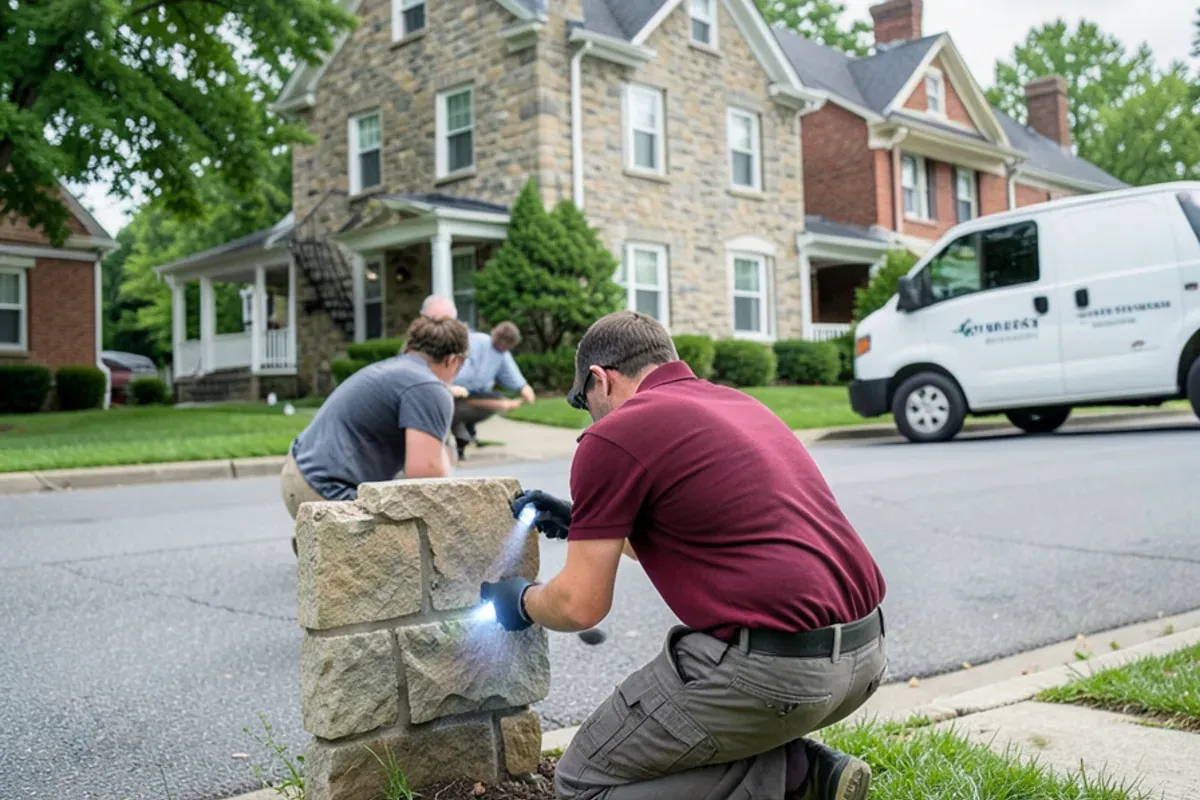
Is an exterminator worth it for a one-off problem?
Often it is, because one targeted visit can end something you have been fighting for months. Our one-time pest treatment is built for exactly that situation: one pest, one clear goal, and no ongoing plan to sign.
What the job involves depends on the species, how far it has spread, how many rooms or units are affected and whether follow-up visits are needed. We spell all of that out in a written quote after a no-cost look at the problem, so you can weigh it against another month of retail products that have not worked.
If the inspection turns up something larger, such as bed bugs, we walk you through how bed bug treatment works before anything is scheduled.
DIY pest control vs exterminator: how home attempts can backfire
Total-release foggers are the usual culprit. The mist settles on open surfaces, not inside the cracks where roaches and bed bugs hide, and the residue can drive survivors deeper into outlets, wall voids and neighboring rooms.
Mixing products causes trouble as well. Spraying an insecticide over bait contaminates it, so ants and roaches stop eating the one thing that would have reached the colony. Moving bait every day, wiping away trails before bait goes down and running several products at once all slow down the job that eventually lands on a professional.
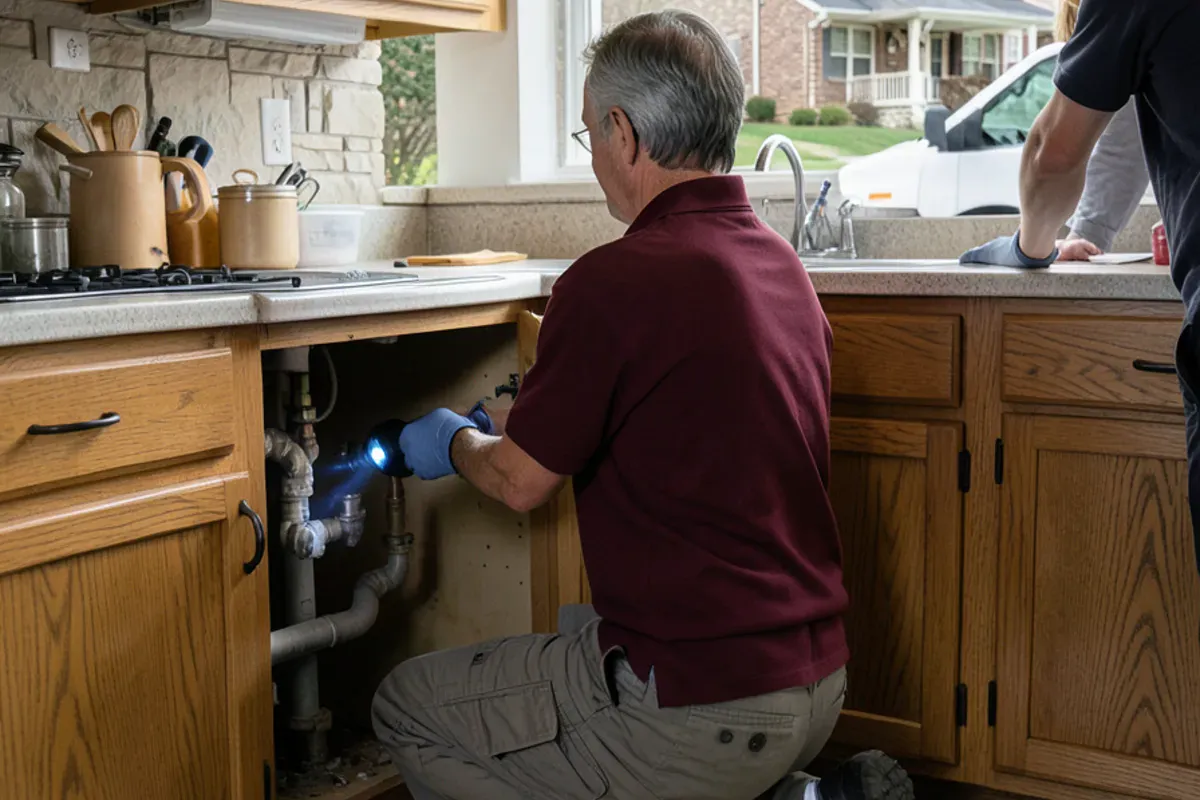
What we notice after DIY attempts in Media homes
When we inspect a kitchen that has been sprayed for weeks, the usual finding is product in the wrong place: a film across the floor where insects simply walk over it, and nothing in the hinge gaps, under the dishwasher or behind the sink trim where they actually live.
Many of Media's apartments sit over storefronts along State Street, and by Census (ACS) estimates 58 percent of the borough's occupied homes are rented. In buildings like that, one tenant's spraying often turns into a neighbor's new problem, which is why we ask about adjoining units on the first call for pest control in Media, PA.
Not every one of those visits ends with a treatment. Sometimes the inspection shows that the homeowner's plan was close: the ant bait was the right type but kept getting wiped up or sprayed over, or the snap traps sat in the middle of the floor instead of tight against the wall where mice run. When that is the case, we say so, show where the bait or traps belong, and leave the follow-through with the homeowner.
Quick answers
Do bug bombs or foggers get rid of roaches or bed bugs?
Rarely. Foggers coat open surfaces, while German cockroaches and bed bugs spend most of their time in cracks, seams and wall voids the mist never reaches. The repellent residue can also drive them into adjoining rooms or, in a twin or apartment, next door. If you have already set one off, tell us on the phone so the treatment plan can account for the residue.
Can I try it myself first and call if it doesn't work?
Yes, for low-risk pests such as occasional ants, spiders or a single garage mouse. Give one method two full weeks, jot down where and when you see activity, and avoid mixing sprays with baits. Those notes make our inspection faster. Skip the trial run entirely for bed bugs, termites, German cockroaches or stinging insects near an entrance.
What happens during the inspection, and does it cost anything?
The inspection is free and always comes before any treatment. Thom and his team look at where activity shows up, how the pest is getting in and what is feeding it, then hand you a written quote. We work weekends too, so a Saturday look at a problem you noticed midweek is usually easy to fit in.
The bottom line
Some pest problems belong to you and a vacuum; others need a professional before they spread. If you cannot tell which side of the line yours falls on, call (209) 563-1650, describe what you are seeing, and we will tell you plainly whether it is worth a visit.
Sources

Written by the No Bugs Exterminator team
A small, family-run pest control business in Media, PA, led by owner Thom. We write about what we see on inspections in Delaware County and southeastern Pennsylvania. About us.
Services mentioned in this guide


Want a professional opinion?
Book a free inspection and get a written quote before any treatment.
- ★ 4.8 from 21 Google reviews
- Open 7 days, 8 a.m. to 7 p.m.
- Free inspection before treatment
- Family-run, based in Media, PA
Open 7 days, 8 a.m. to 7 p.m.