Which businesses do we serve in Delaware County?
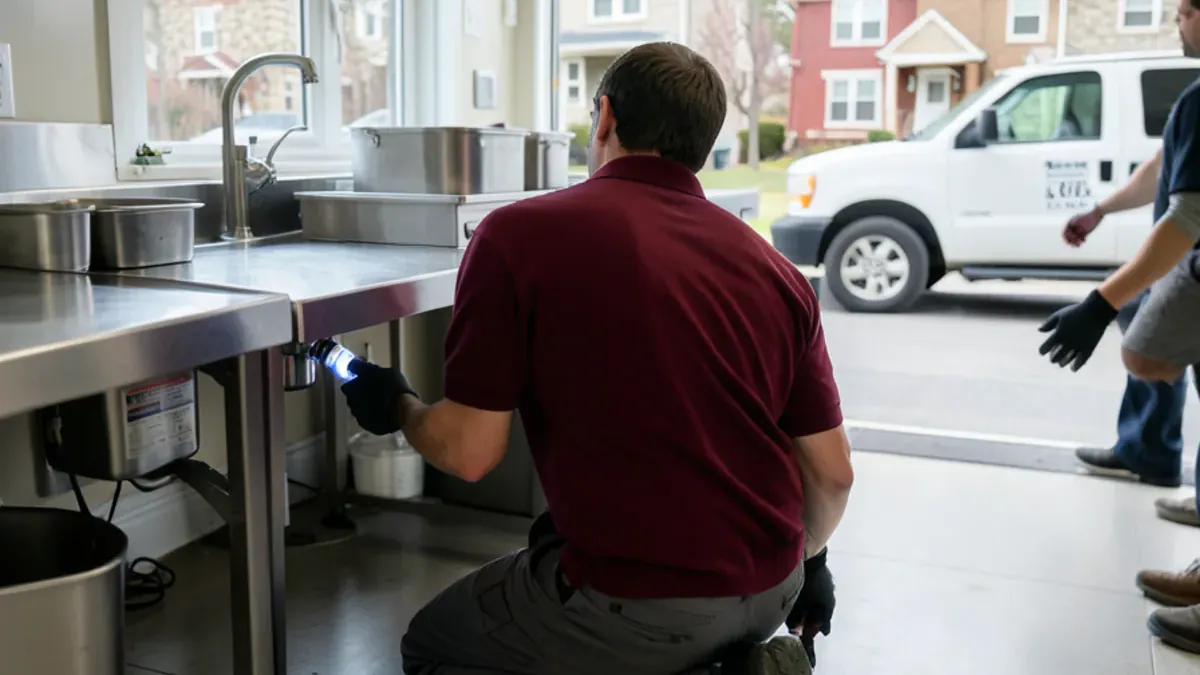
Each kind of property gets its own plan, because a diner and a distribution floor fail in different ways. We handle restaurant pest control built around grease, drains and deliveries, and property management pest control for apartment buildings, HOAs and landlords with many units to track.
We also run office and retail pest control for storefronts and suites, healthcare and senior living pest control where residents stay in place during service, school and daycare pest control under Pennsylvania's school IPM law, and warehouse and food facility pest control for docks, racking and stored goods.
Local business owners use us on recurring service. The same family-run crew behind our general pest control for homes and businesses handles commercial accounts, and our specialty, bed bug treatment, matters for rentals, dorms and care settings.
Signs your business has a pest problem
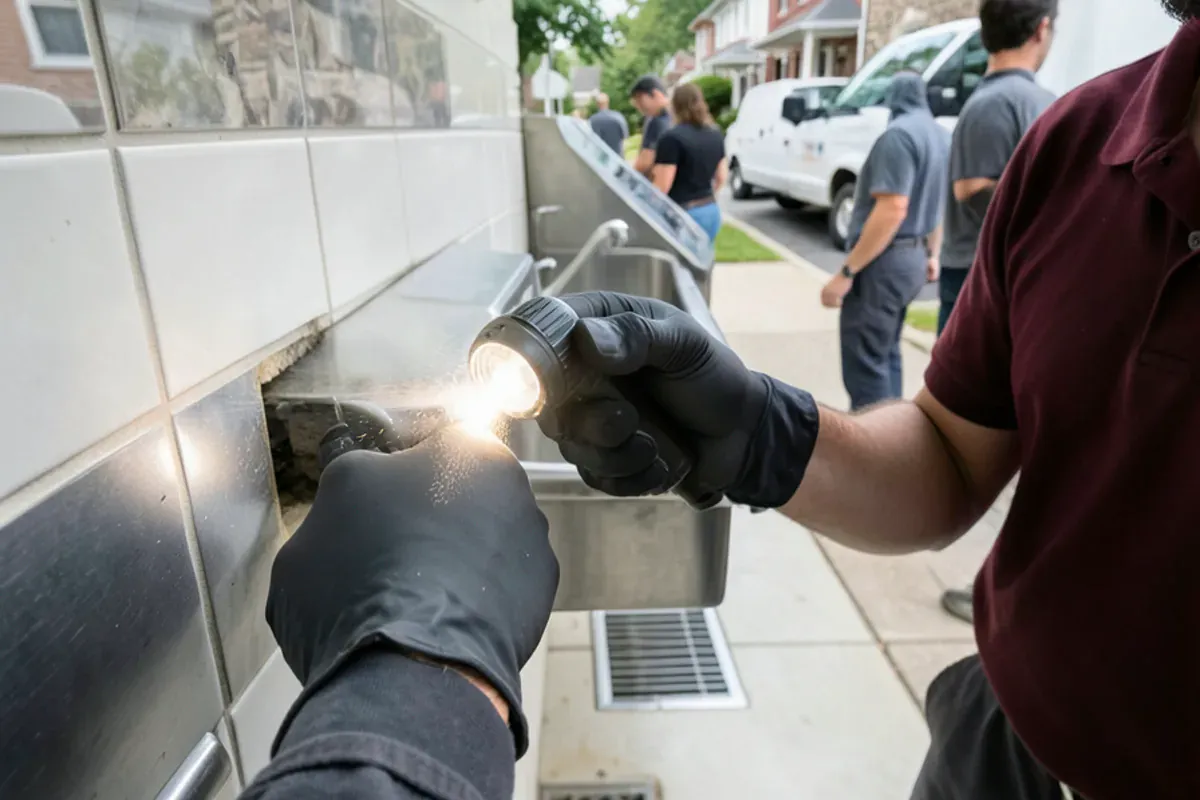
Staff usually spot pests before customers do. Note where and when you saw any of these, because location tells us more than a count.
Timing tells us as much as the sighting. Roaches near the dish station on a Monday morning point somewhere different than mice in a stockroom after a holiday closing, and a run of fruit flies in late summer often traces back to produce deliveries rather than the drains. A musty smell in a back room can also signal mice well before staff find droppings.
- Droppings in drawers, along baseboards, under equipment or on top of stored boxes
- Live cockroaches during business hours, which usually means a population has outgrown its hiding spots
- Chewed packaging, shredded paper or gnaw marks on door bottoms and cable chases
- Small flies circling floor drains, bar sinks or trash corrals
- Ant trails along windows, break-room counters or the base of exterior walls
- Bites or reports of bugs on upholstered seating, bedding or lockers
Why do Delaware County businesses get pests?
Location plays a big part. Strip centers along Baltimore Pike and Route 1, and the larger retail sites at Springfield Mall and the Promenade at Granite Run, share walls, utility runs and dumpster pads, so a problem behind one tenant can spread down the row.
Freight is another route in. Pallets and cartons moving through warehouses near Philadelphia International Airport and along the I-95 corridor carry hitchhiking roaches, stored-product beetles and the occasional mouse. Campuses at Villanova, Swarthmore, Widener and Neumann see heavy move-in and move-out turnover, which is how bed bugs travel between rooms.
Then there is the weather and the building stock. Cold Delaware County winters push mice indoors every fall, and older commercial buildings in the county's boroughs often have stone foundations, shared basements and gaps around pipes that a mouse can squeeze through at about the width of a dime.
How we inspect a commercial property
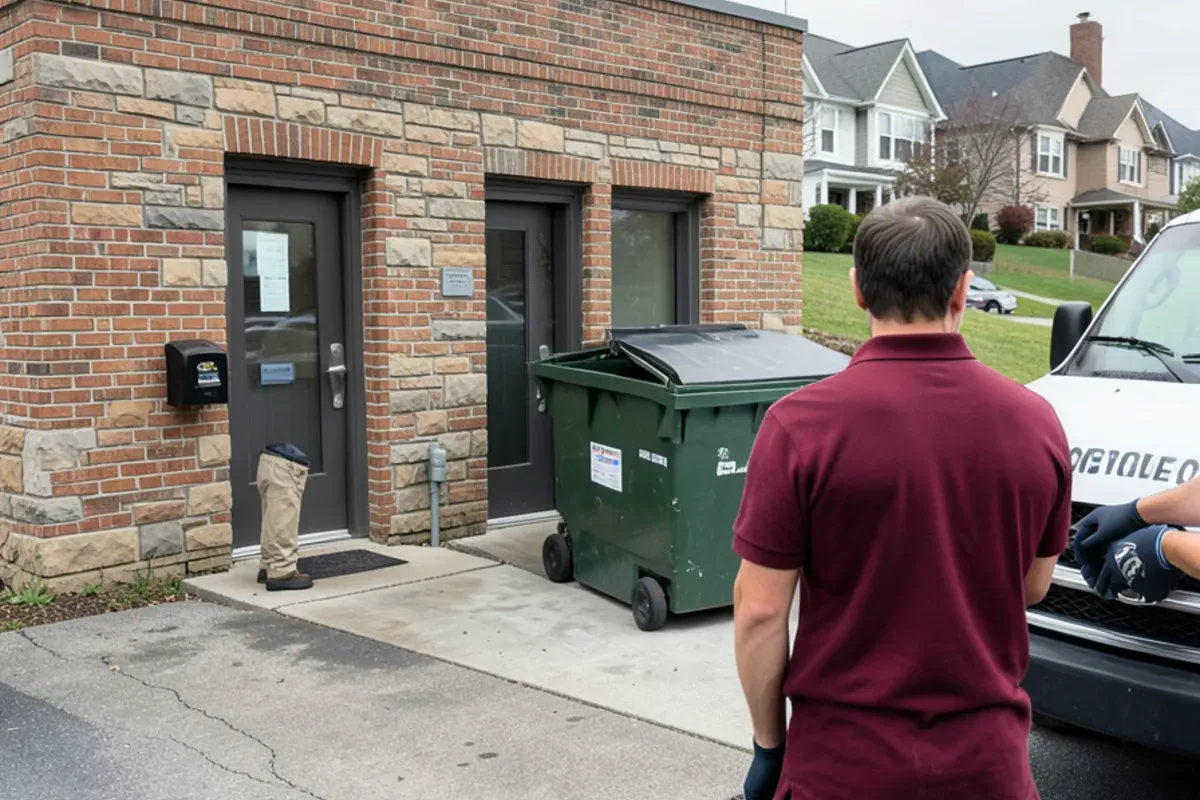
A commercial inspection starts with a walk-through alongside whoever knows the building best: a kitchen manager, a superintendent or a facilities lead. We look at receiving doors, drains, wall voids behind equipment, ceiling spaces, break rooms, trash areas and the exterior perimeter.
From there we identify the pest, find the conditions feeding it and map where monitoring devices should go. That is commercial pest management under an IPM approach: fix the cause, then treat only where it matters. You receive a written quote before any treatment begins.
Pennsylvania rules behind commercial pest management
The Pennsylvania Pesticide Control Act of 1973 governs commercial treatments across the state. The Pennsylvania Department of Agriculture (PDA) licenses pest control businesses and certifies applicators, and 7 Pa. Code § 128.31 requires the business license number on service vehicles, so a facilities manager can confirm it before signing a contract.
Other rules depend on the property. Food establishments are inspected under Pennsylvania's food code by PDA or a local health department, and signs of pests are a standard inspection item. Public schools follow an integrated pest management plan under Act 35 of 2002. For apartments, Pennsylvania courts recognize an implied warranty of habitability (Pugh v. Holmes, 1979), and the lease usually says who handles routine pests. This is general information, not legal advice.
Talk to us about commercial pest control
Call and speak with Thom or his team. The inspection is free, and you get a written quote before any treatment.
- ★ 4.8 from 21 Google reviews
- Open 7 days, 8 a.m. to 7 p.m.
- Free inspection before treatment
- Family-run, based in Media, PA
Open 7 days, 8 a.m. to 7 p.m.
One-time service or a recurring commercial IPM program?
Most businesses do better on a recurring schedule, because pests keep arriving with deliveries, customers and the seasons. A one-time visit still has its place when the problem is narrow and the cause is clear.
| Approach | Fits when | Trade-off |
|---|---|---|
| One-time treatment | A single, contained problem such as a wasp nest by an entrance or ants after a leak | No ongoing monitoring, so a returning problem is caught late |
| Monthly IPM service | Food handling, heavy foot traffic or an inspector who expects regular records | More visits on the calendar, but small problems get caught early |
| Every-other-month or quarterly service | Offices, low-risk retail and buildings with no food prep | Longer gaps between checks; staff reporting matters more |
| Targeted add-on service | Bed bugs in a unit, a stinging insect season or a rodent push in fall | Handled as its own project with its own follow-ups |
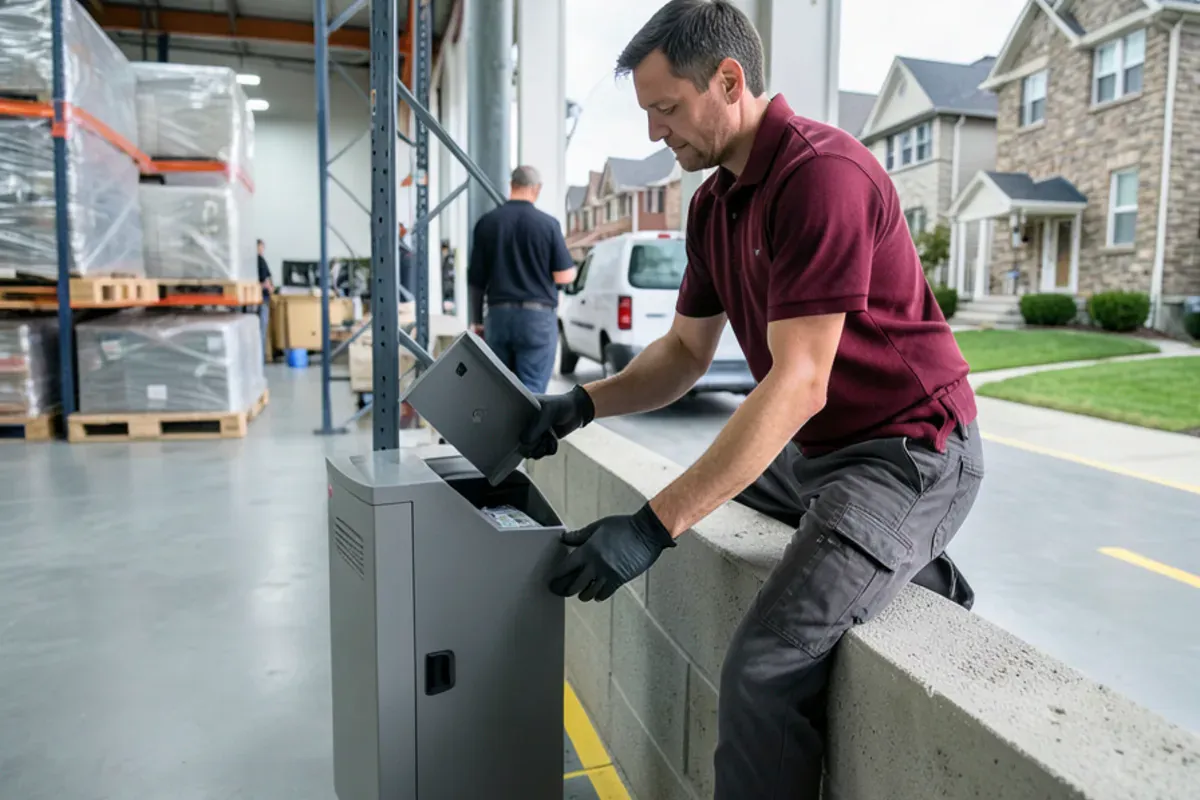
What a commercial pest control visit looks like
Check in with your contact
We start with the person on site who knows what staff have seen since the last visit.
Review the last service notes
The previous entry in your service log tells us which areas need a second look.
Inspect and check monitors
We check traps, bait stations and glue monitors, plus known hot spots and entry points.
Treat only where it is needed
Baits, targeted applications or traps go where the evidence points, away from food and occupied spaces.
Note what needs fixing
We point out gaps, leaks, sanitation issues and storage problems that keep pests coming back.
Write it up
We keep a service log at each visit covering findings, products and locations, and recommendations, and leave a copy with you.
What determines the cost of a commercial contract?
Every account is quoted after the free inspection, and we quote before work starts. These are the factors that move the number:
Multi-tenant sites add a variable of their own. In a Baltimore Pike strip center, scope depends on whether we can reach the shared dumpster pad, the rear corridor and the ceiling space that runs over neighboring units; if only one tenant signs up, the plan has to account for pressure from next door. Apartment and campus accounts are often scoped per building or per unit inspected, with bed bug work quoted as its own project.
- Square footage, number of floors or number of units
- The pest involved and how established it is
- How often visits are scheduled
- How many monitoring devices the building needs inside and out
- Documentation your inspector, auditor or corporate office expects
- Early-morning, weekend or closing-time scheduling
- Sealing and exclusion work beyond routine treatment
- Distance from our Media base within the service area
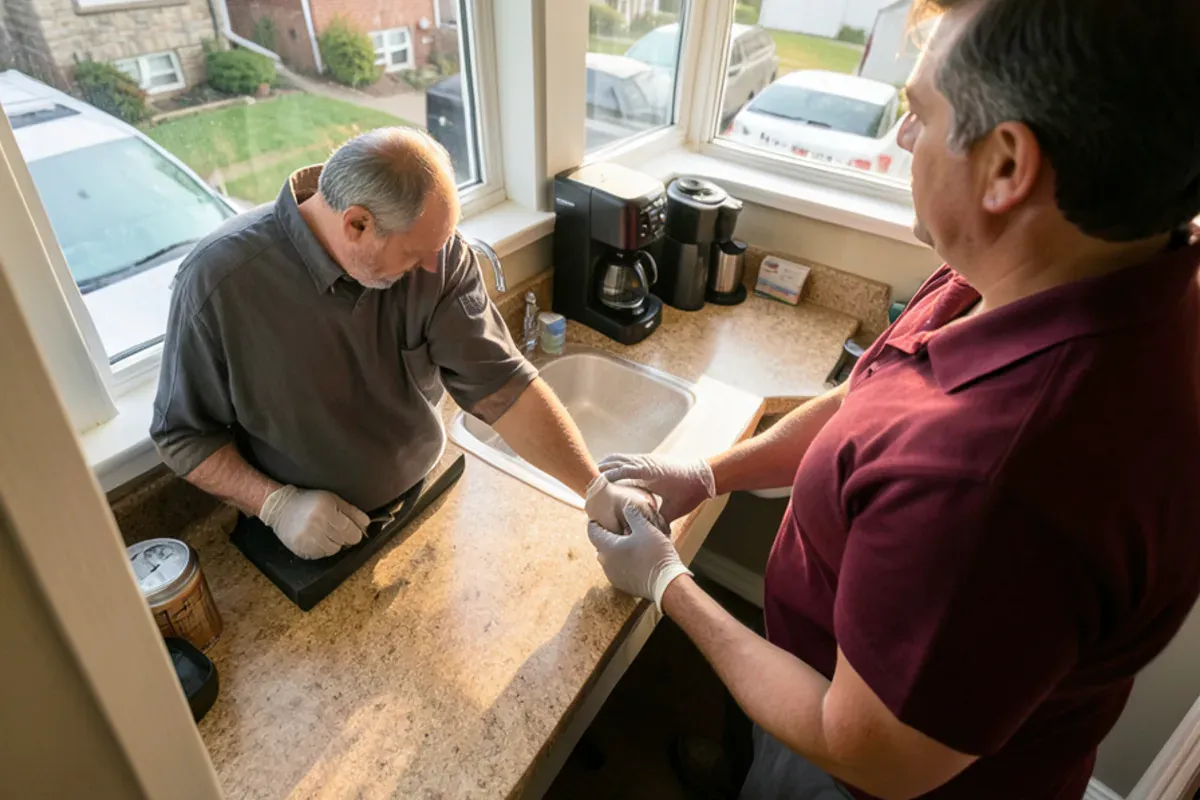
Keeping pests out between visits
Treatment works faster when the building stops feeding the problem. Keep dumpster lids closed and pads hosed down, fit door sweeps on receiving and back doors, break down cardboard instead of storing it, and check incoming deliveries before they reach storage.
Have staff report sightings with a time and place. Activity usually falls over the first few visits; an established kitchen cockroach population needs closer follow-ups, and we give you the expected timeline with the quote.
Commercial Pest Control: every service in this group
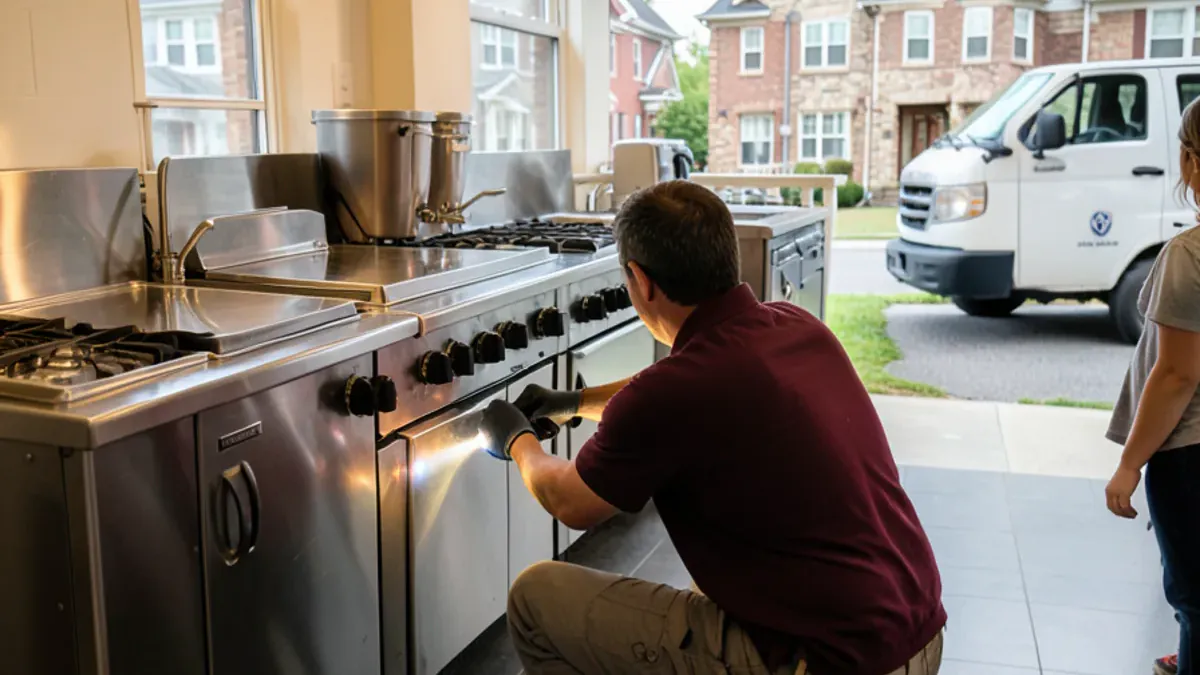
Restaurant Pest Control
Restaurant Pest Control in Media and Delaware County, PA
Learn more →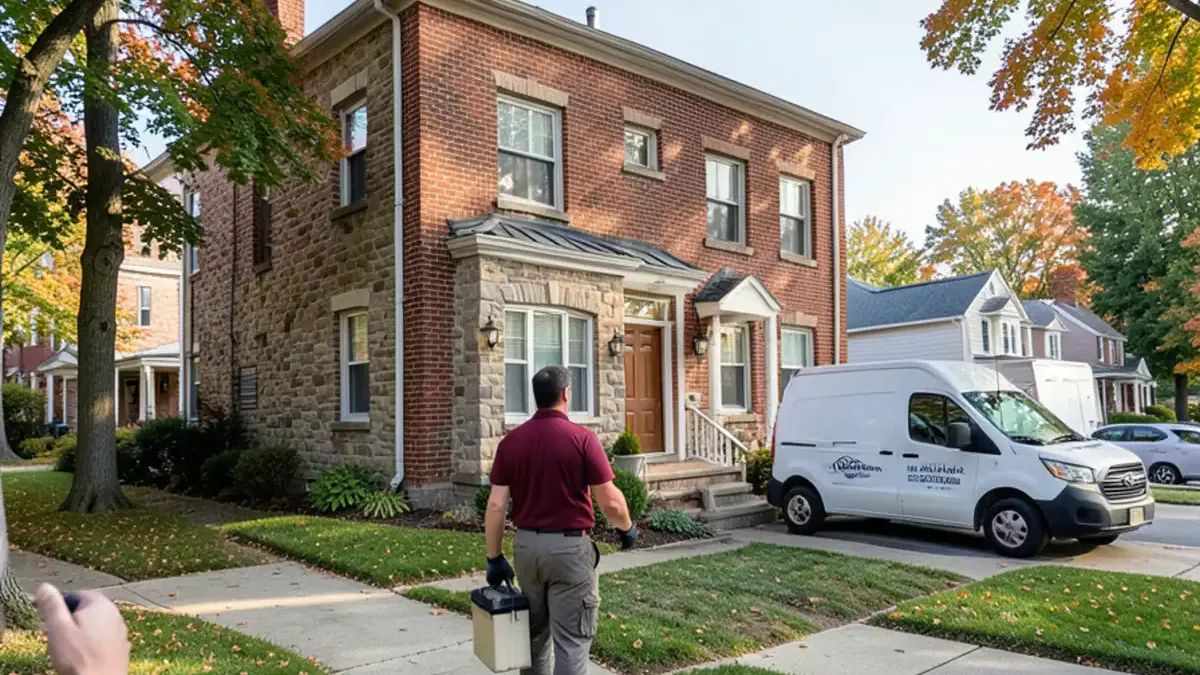
Property Management Pest Control
Property Management Pest Control in Media and Delaware County, PA
Learn more →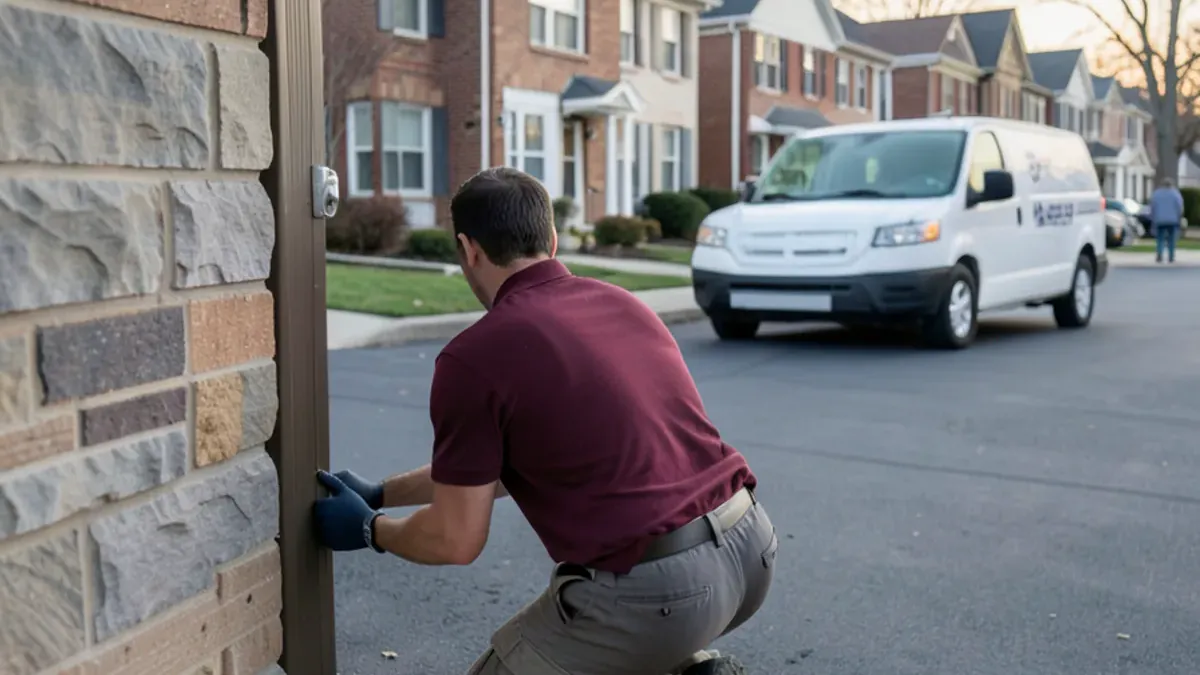
Office and Retail Pest Control
Office and Retail Pest Control in Media and Delaware County, PA
Learn more →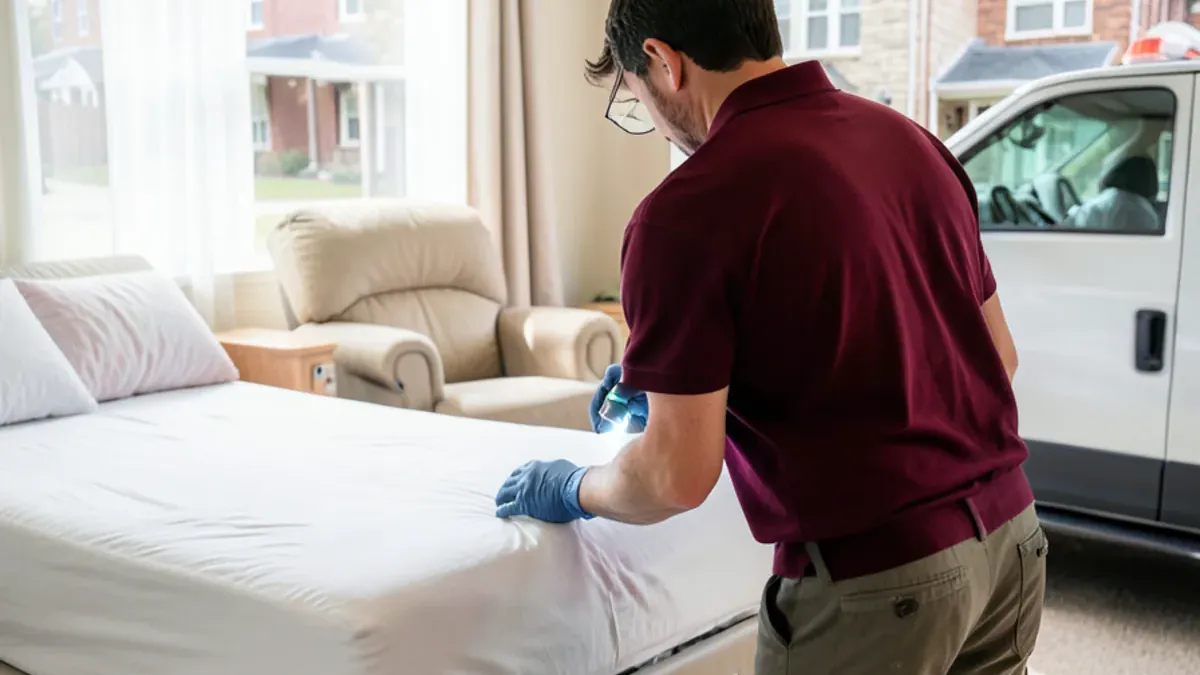
Healthcare and Senior Living Pest Control
Healthcare and Senior Living Pest Control in Media and Delaware County, PA
Learn more →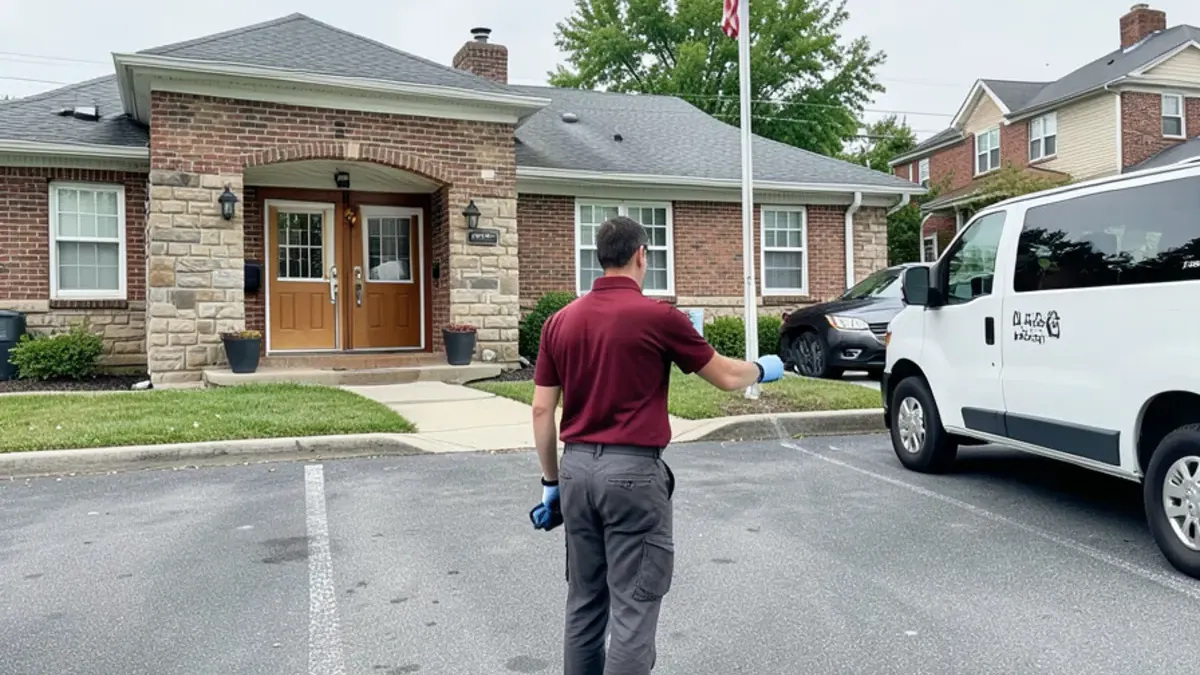
School and Daycare Pest Control
School and Daycare Pest Control in Media and Delaware County, PA
Learn more →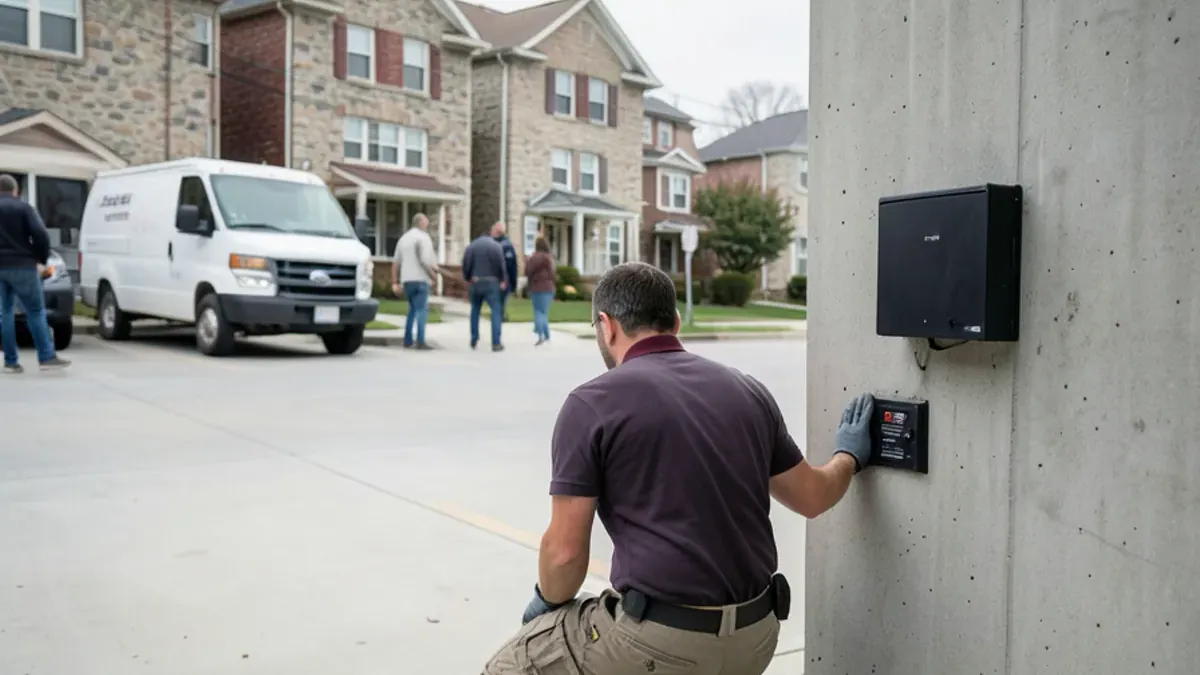
Warehouse and Food Facility Pest Control
Warehouse and Food Facility Pest Control in Media and Delaware County, PA
Learn more →What our commercial pest control includes
- Free on-site inspection of interior, exterior and receiving areas
- Written quote before any treatment begins
- Pest identification and a map of monitoring device locations
- Targeted treatment for insects and rodents using an IPM approach
- A service log entry left after every visit
- Notes on sealing, sanitation and storage fixes
- Visits scheduled around your opening hours, any day of the week
Why call No Bugs Exterminator for commercial pest control
Family-run, based in Media
Thom and his team work out of Media, so Delaware County businesses deal with the same small crew from quote to follow-up.
Open seven days
We are open 7 days, 8 a.m. to 7 p.m., which makes it easier to book service before you open or on a quiet weekend morning.
Free inspection, written quote
You see what we found and what it will cost in writing before any commercial treatment begins.
Insects, rodents and bed bugs
We specialize in bed bugs and in controlling all insects and rodents, which covers nearly every call a business makes.
Where we provide commercial pest control
Our commercial routes start in Media, where shops and offices sit under walk-up apartments on State Street, and run out to the Baltimore Pike retail around Springfield Township. We also cover airport-area freight in Tinicum Township and the hotels and apartments around the mall in King of Prussia, about 30 minutes up the road.
- Upper Darby Township
Shops, take-out kitchens and offices around the 69th Street Terminal share walls with 1940s rowhome blocks, so rodents and roaches move freely between commercial and residential space.
- Lima
The Promenade at Granite Run and nearby apartment complexes on Baltimore Pike combine retail, restaurants and rentals, with Census (ACS) estimates putting renter-occupied homes at 68%.
- Broomall
Strip retail at the West Chester Pike and Sproul Road crossing shares dumpster pads and rear corridors, where a problem behind one tenant spreads down the row.
- Chester
Widener University, Subaru Park and Harrah’s sit among riverfront rowhomes from around 1949, a mix of event crowds, campus housing and older buildings.
- Concord Township
Concordville retail at Routes 1 and 322 sees steady deliveries and food service, and the newer buildings still need door sweeps and dumpster routines.
- Newtown Township (Delaware County)
Office campuses at the Ellis Preserve and SAP’s site at Routes 3 and 252 have break rooms, cafeterias and loading areas that need routine monitoring.
- Ridley Township
Boeing’s Ridley Park plant and the MacDade Boulevard business corridor bring large-footprint buildings where rodents follow the freight in.
- Montgomery County
The King of Prussia commercial core packs hotels, offices and restaurants together, where bed bugs travel with guests and rodents follow food waste.
What customers say on Google
4.8 out of 5 from 21 reviews on Google. Quoted as written by customers.
We use them for a year now very happy with the service for both of my businesses
Thom is a top-notch pest control specialist! And is one of the most genuine guys in the industry. He came to inspect a situation I had going on at the house, took his time, offered detailed advice, and didn’t take a penny.
Thom + his team were amazing. Very professional + provided me with a quote that made the most sense for my situation. Clearly I was not being gouged. Thom put the client first.
Commercial Pest Control: common questions
Which businesses does No Bugs Exterminator serve in Delaware County?
We serve restaurants, bars, apartment buildings, HOAs, offices, retail stores, churches, medical offices, senior living communities, schools, daycares and warehouses. Delaware County is our home base, so most accounts are within a short drive of Media, from Baltimore Pike storefronts to riverfront warehouses. If your business type is not on that list, call and describe the building; the free inspection will tell us both whether we are a good fit.
Can you work after hours?
Often, within our schedule. We are open 7 days from 8 a.m. to 7 p.m., so many businesses book the first slot of the morning before opening, a slow mid-afternoon, or a weekend when an office is empty. If a treatment truly has to happen after you close, ask when you call and we will tell you honestly whether the schedule allows it.
Do you provide service logs for inspectors?
Yes. We keep a service log at each visit that records the date, the areas inspected, what we found, what was applied and where, and what we recommend fixing. Health inspectors, auditors and property owners commonly ask to see those records. Keep the binder or file where your manager can reach it quickly, and tell us up front if your inspector expects a particular format.
How are commercial contracts priced?
Each contract is priced after a free inspection, and you receive a written quote before any work starts. The main drivers are building size, the pest and how established it is, visit frequency, the number of monitoring devices, documentation needs and any sealing work. A small office on a quarterly plan and a busy kitchen on monthly service will land in very different places.
Do you serve businesses outside Delaware County?
Yes. Media and Delaware County come first, and we also serve businesses in Chester, Montgomery and Bucks counties and in Philadelphia. A Springfield storefront is about 10 minutes from our base and a King of Prussia account about 30, so we talk through visit timing when we book the inspection.
What is integrated pest management for a business?
Integrated pest management, or IPM, means finding out why pests are present and fixing that first, then treating only where it is needed with the least disruptive method that works. In practice that looks like monitoring devices, sealing gaps, sanitation notes and targeted baits instead of routine blanket spraying. It is the same approach Pennsylvania requires public schools to plan for under Act 35 of 2002.
Related services
Helpful guides from our blog
Ready to get rid of the problem?
Thom and his team serve Media, Delaware County and southeastern Pennsylvania, open 7 days, 8 a.m. to 7 p.m..
- ★ 4.8 from 21 Google reviews
- Open 7 days, 8 a.m. to 7 p.m.
- Free inspection before treatment
- Family-run, based in Media, PA
Open 7 days, 8 a.m. to 7 p.m.