
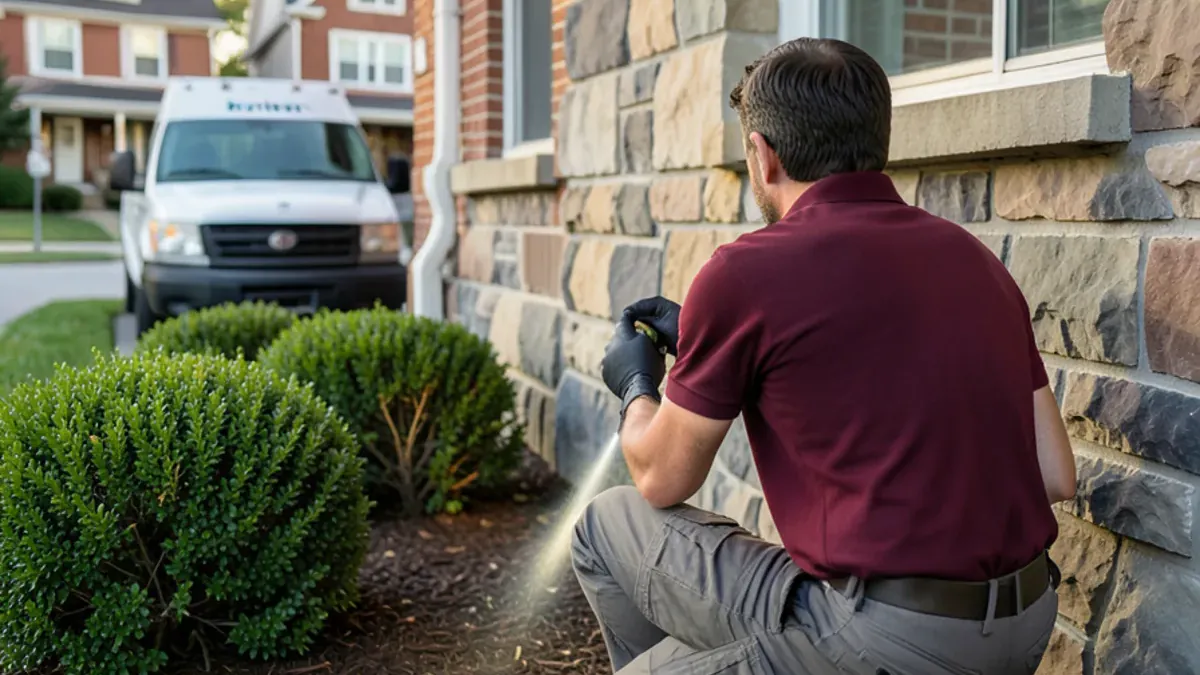
Insect Control by Room: The Household Bugs We Treat
The room where you spot a bug usually narrows the suspect list. Here are the eleven insects we handle most, grouped by where they show up.
- Kitchen and pantry: ant control for trails along counters and sinks, cockroach control for roaches behind appliances, pantry pest control for moths and beetles in flour and cereal, and fly control for fruit flies and drain flies around trash and sinks.
- Basements, bathrooms and crawlspaces: silverfish control for damp storage rooms, centipede and millipede control for slab edges and floor drains, and spider control for webs in joists, corners and window wells.
- Bedrooms, carpets and closets: flea control for itchy ankles and pet bedding, and clothes moth control for holes in wool sweaters, rugs and stored coats.
- Walls, windows and attics: stink bug control and boxelder bug and lady beetle control for the swarms that gather on sunny siding in fall and creep out of walls on mild winter days.
When Do Different Insects Peak in Delaware County?
Our insect calls follow the calendar, and the season helps separate a passing nuisance from a real infestation.
Each season has its own giveaway sign. In March and April, look for little piles of fine soil pushed up through a basement slab crack, the work of pavement ants, and for millipedes curled up dead along the track of a sliding door. By June, fruit flies hovering over the recycling bin and fleas jumping onto ankles in the room where the dog sleeps are the usual first clues.
From September on, the evidence is outside first: dozens of stink bugs or lady beetles warming on a south- or west-facing wall in the afternoon, then the same insects at an upstairs window a week later. In January, a roach seen in daylight, fresh holes in a wool coat or webbing inside a flour canister tells you the insect is breeding indoors, not just passing through.
| Season | What we see most | Why it happens |
|---|---|---|
| Early spring (March–April) | Ants, centipedes, millipedes | Thawing soil wakes colonies, and spring rain pushes ground insects toward foundations |
| Late spring and summer | Ants, flies, fleas, American cockroaches | Heat speeds breeding, and pets and wildlife carry fleas into yards |
| Late summer and fall | Stink bugs, boxelder bugs, lady beetles, spiders | Cooling nights send overwintering insects to sunny walls and gaps |
| Winter | German cockroaches, pantry pests, clothes moths, silverfish | Indoor heat lets these insects keep breeding away from the weather |
Why Insect Infestations Take Hold in Local Homes
Much of eastern Delaware County predates 1960; Upper Darby's median home dates to 1948 and Lansdowne's to 1943, per Census (ACS) estimates. Those brick twins and rowhomes share walls, pipe chases and basements, so roaches and ants can travel from one unit to the next.
Farther west, wooded lots along Chester Creek and the edges of the state park put leaf litter and stone walls right behind the house, and spiders, centipedes and millipedes drift inward. Cold winters then drive stink bugs and boxelder bugs into attics every fall.
How Do We Identify the Insect Before Treating?
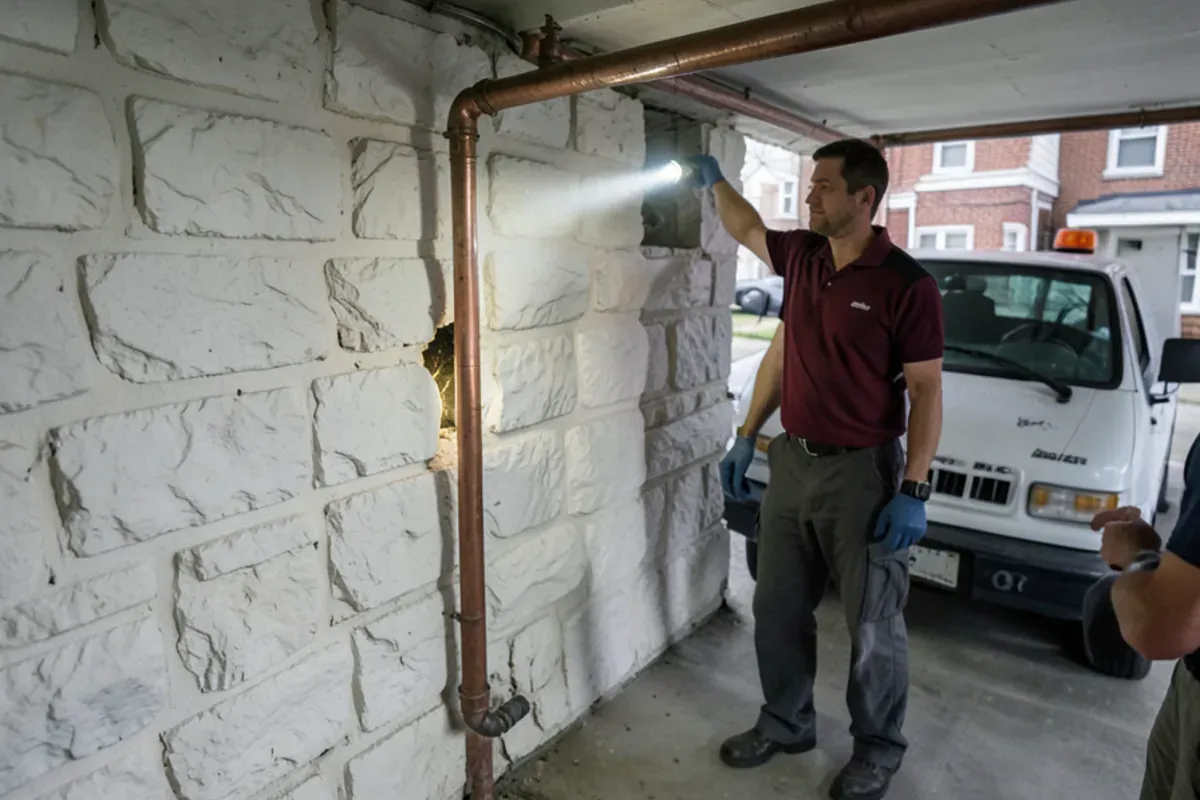
Identification drives every later choice. Pavement ants under a slab need different bait placement than odorous house ants in a wall, and German cockroaches call for gel bait while large American cockroaches usually point to a drain gap. Spraying blind wastes time and can scatter a colony.
During the inspection we study the insects plus what they leave behind: droppings, shed skins, damaged fabric or food, and the moisture and gaps that drew them in. If you can trap one in a sealed sandwich bag, set it aside for us.
Our Insect Control Methods and the Trade-Offs of Each
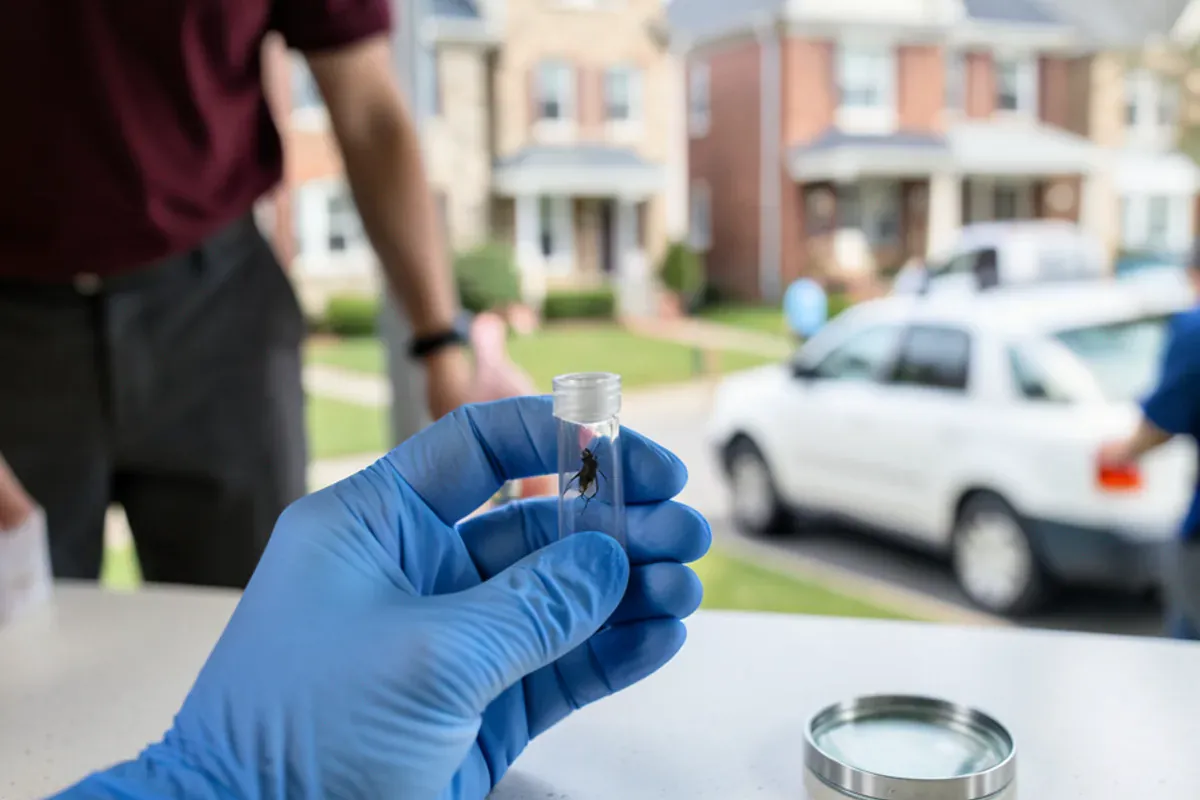
No single product handles every bug, so the method follows the insect:
- Baits: insects carry bait back to the nest. Slower, often one to two weeks, but it reaches hidden colonies. Our first choice for ants and German cockroaches.
- Targeted liquids: applied to cracks, foundation lines and thresholds. Fast knockdown and an outdoor barrier, but it will not reach a nest deep in a wall.
- Insect growth regulators: stop young insects from maturing. Essential for fleas and cockroaches, though they do not kill adults quickly.
- Void dusts: reach hollow spaces behind outlets and under cabinets, applied sparingly where people and pets cannot touch them.
- Exclusion and moisture fixes: sealing gaps, screening vents and drying basements. No chemistry and the longest-lasting result, but it takes effort on your side.
Talk to us about insect control
Call and speak with Thom or his team. The inspection is free, and you get a written quote before any treatment.
- ★ 4.8 from 21 Google reviews
- Open 7 days, 8 a.m. to 7 p.m.
- Free inspection before treatment
- Family-run, based in Media, PA
Open 7 days, 8 a.m. to 7 p.m.
What a Bug Extermination Visit in Media Looks Like
The process is the same whether the problem is a line of ants or a basement full of webs.
Call us
Phone (209) 563-1650 any day between 8 a.m. and 7 p.m. Same-day visits are often possible when the schedule allows — call early in the day.
Free inspection
We walk the rooms where you see insects, then the basement, foundation and any attic access, noting entry points and damp spots.
Identification and written quote
We tell you which insect it is, how far it has spread and what we recommend, then hand you a written quote before work starts.
Treatment
Baits, targeted liquids, dusts or growth regulators go only where the insect lives and travels, not broadcast across your floors.
Aftercare guidance
You get clear instructions on what to clean, what to leave alone so baits keep working, and whether a follow-up visit makes sense.
What Affects the Cost of Insect Control?
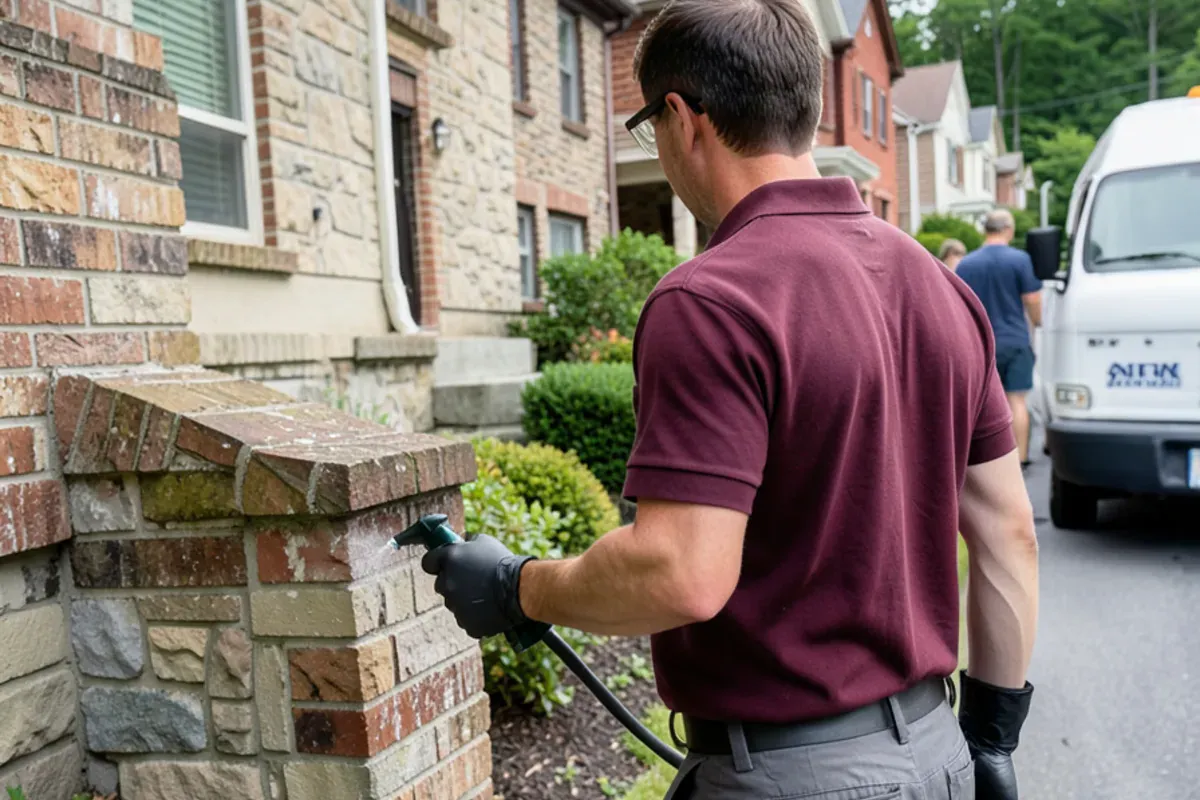
In Media and the rest of Delaware County, the house itself moves the quote more than anything else. A brick twin or rowhome with a party wall may need work along the shared basement line plus a return visit to catch insects drifting over from next door, while a detached split-level in Aston or Middletown is often a single perimeter job.
Access matters too. A finished basement with a drop ceiling, a crawlspace behind a low hatch, or a fieldstone foundation with deep mortar gaps takes longer to inspect and treat than a poured concrete wall. Timing plays a part as well: a fall invader call is usually one exterior visit, while roaches or pantry moths found in winter have often been breeding for weeks. We walk through each of these in person, and the written quote states how many visits we expect the job to take.
Your written quote reflects these factors:
- Which insect it is: a German cockroach program needs more visits than a single fall stink bug treatment
- How far the infestation has spread through rooms, floors or attached units
- Size and layout of the home, including finished basements and crawlspaces
- Whether the exterior perimeter, attic or yard needs treatment as well
- Follow-up visits needed to break the life cycle
- Whether a one-time treatment or a recurring plan fits the problem
Habits That Keep Household Bugs Out Longer
Treatment works faster once the conditions that invited insects are gone.
For mice, termites and other non-insect pests, start with our general pest control services. Bed bugs need a dedicated inspection and plan, covered under bed bug treatment.
- Seal gaps around pipes, cables and dryer vents with caulk or copper mesh
- Run a dehumidifier in any basement that smells musty, since silverfish, centipedes and millipedes need damp air
- Keep mulch and firewood at least a foot away from the foundation
- Store flour, cereal, pet food and birdseed in sealed hard containers
- Repair torn window and attic vent screens before September, when stink bugs start hunting for a way in
Pennsylvania Pesticide Law Behind Every Insect Treatment
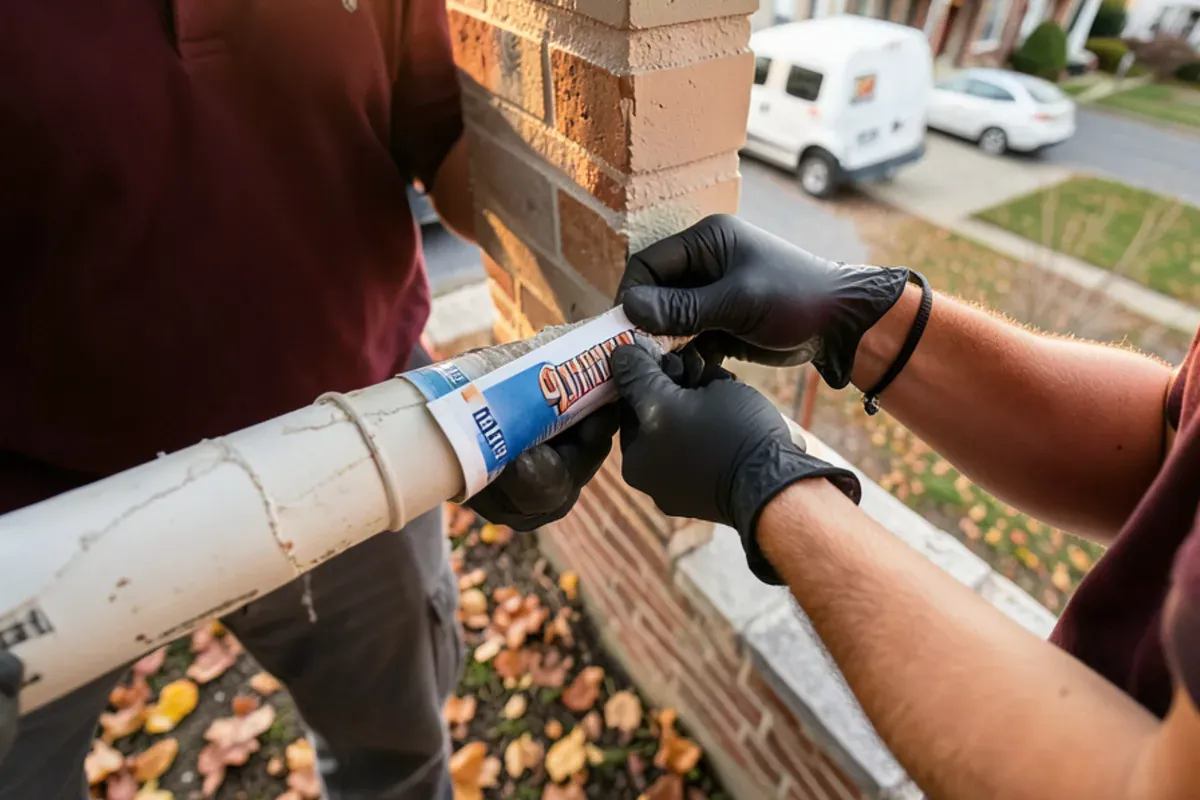
Insect work done for hire in a home or business falls under the Pennsylvania Pesticide Control Act of 1973, enforced by the Pennsylvania Department of Agriculture (PDA). PDA licenses pest control businesses and tests the applicators who apply products, and its rule at 7 Pa. Code § 128.31 requires a company's license number on its service vehicles. Before anyone treats for ants, roaches or fleas, you can ask for that PDA number and the name of the certified applicator in charge of the job.
Two more rules shape insect calls here. Public schools follow Act 35 of 2002, which calls for an integrated pest management plan and advance notice to parents and staff. And every product has to be applied by its EPA-registered label, which sets where it may go, how long kids and pets stay out and how often it can be reapplied.
Insect Control: every service in this group
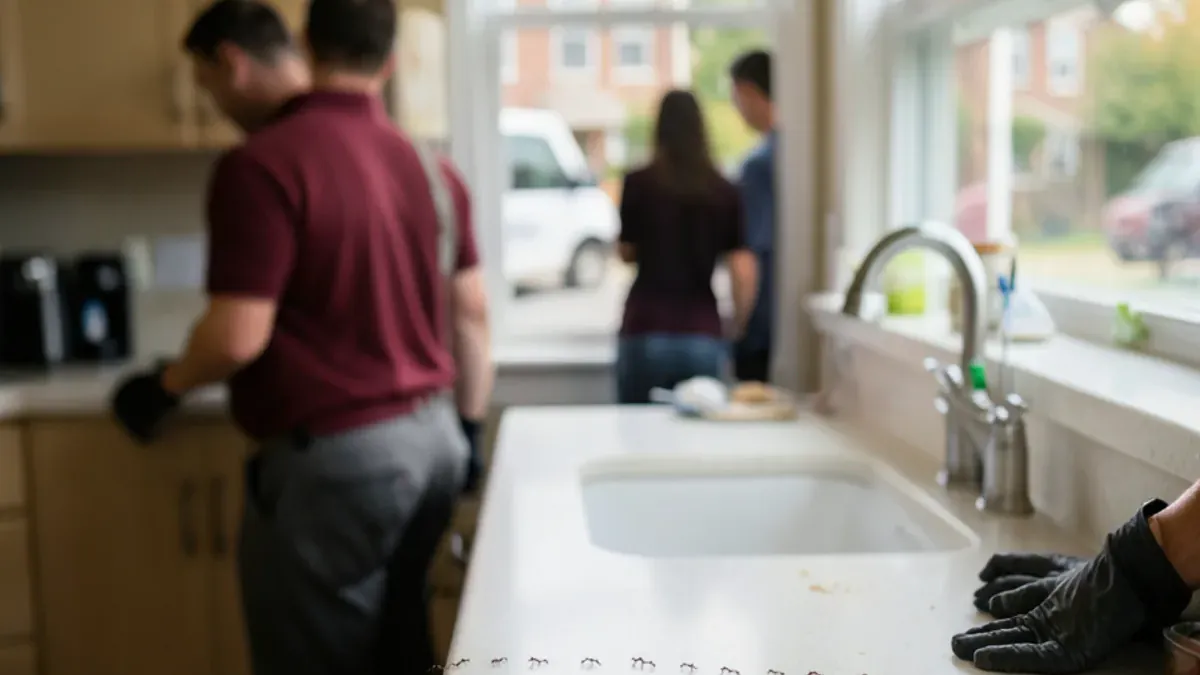
Ant Control
Ant Control in Media and Delaware County, PA
Learn more →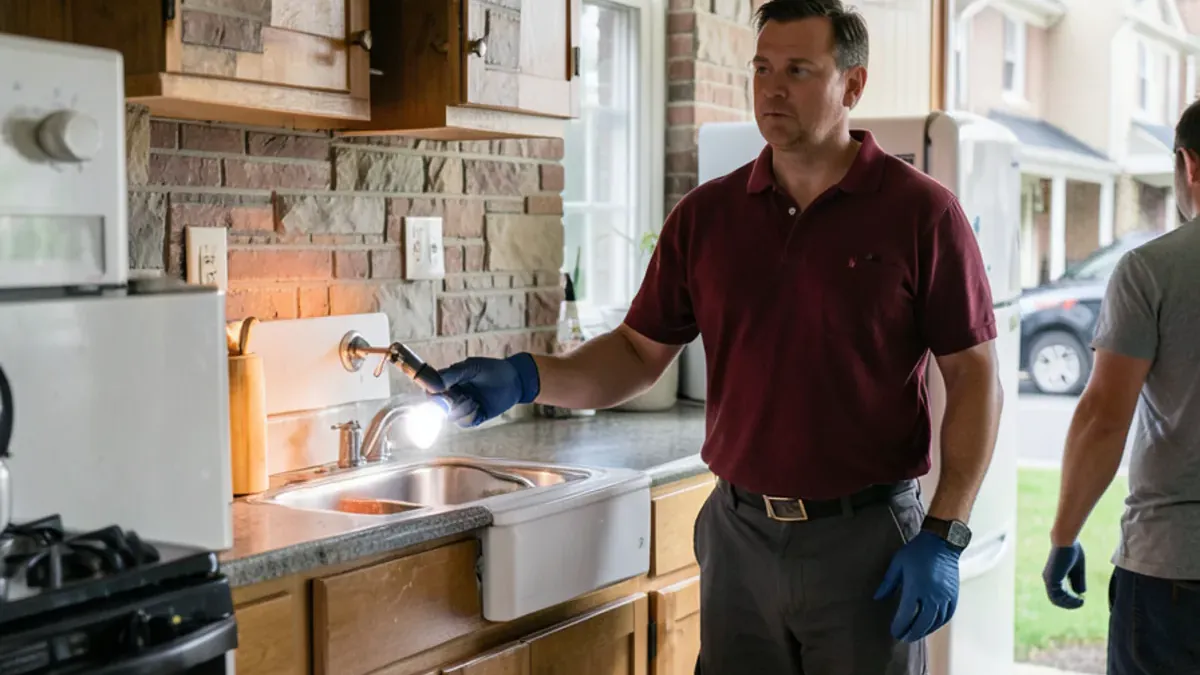
Cockroach Control
Cockroach Control in Media and Delaware County, PA
Learn more →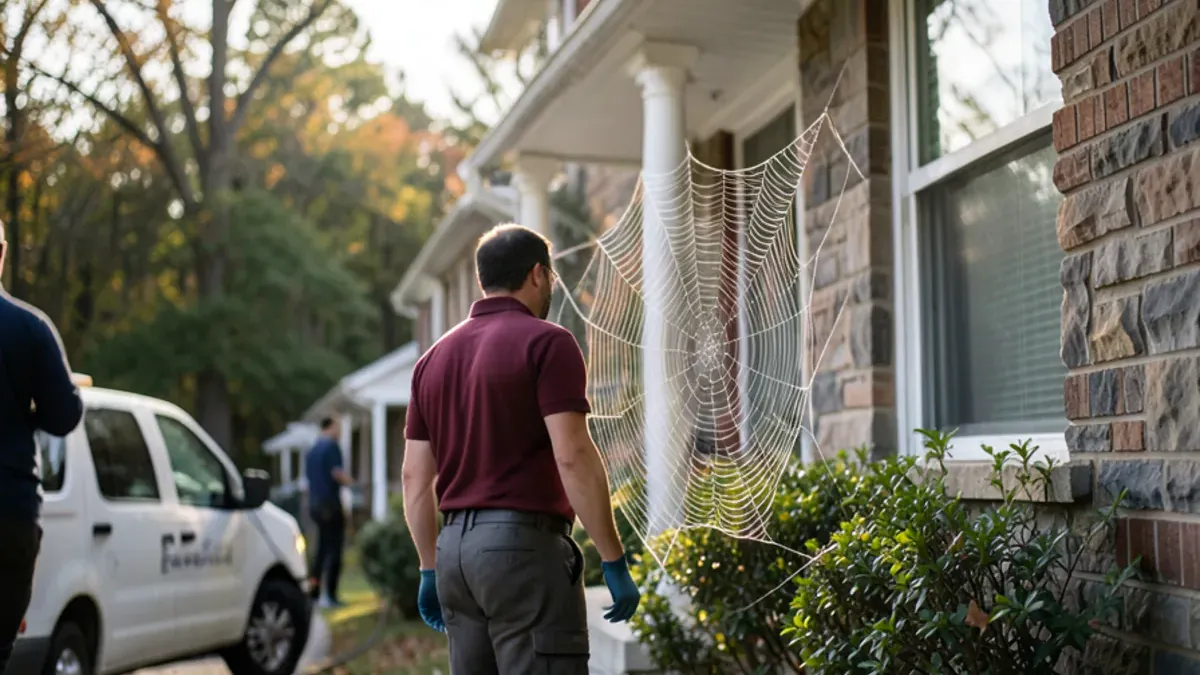
Spider Control
Spider Control in Media and Delaware County, PA
Learn more →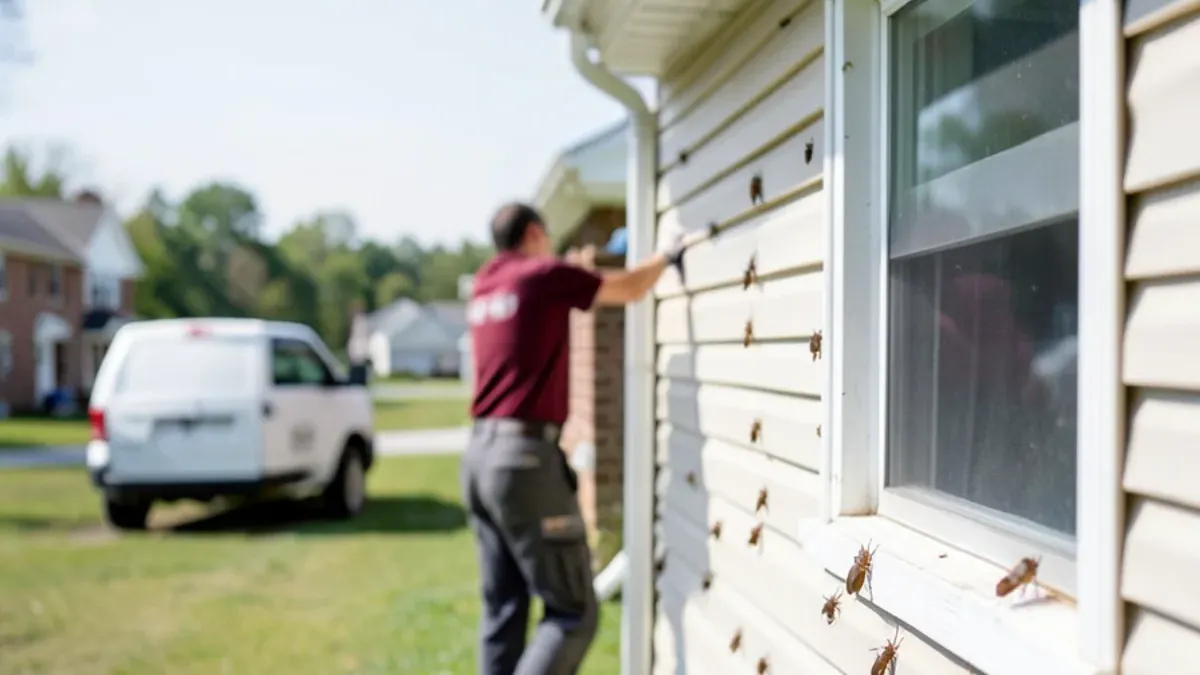
Stink Bug Control
Stink Bug Control in Media and Delaware County, PA
Learn more →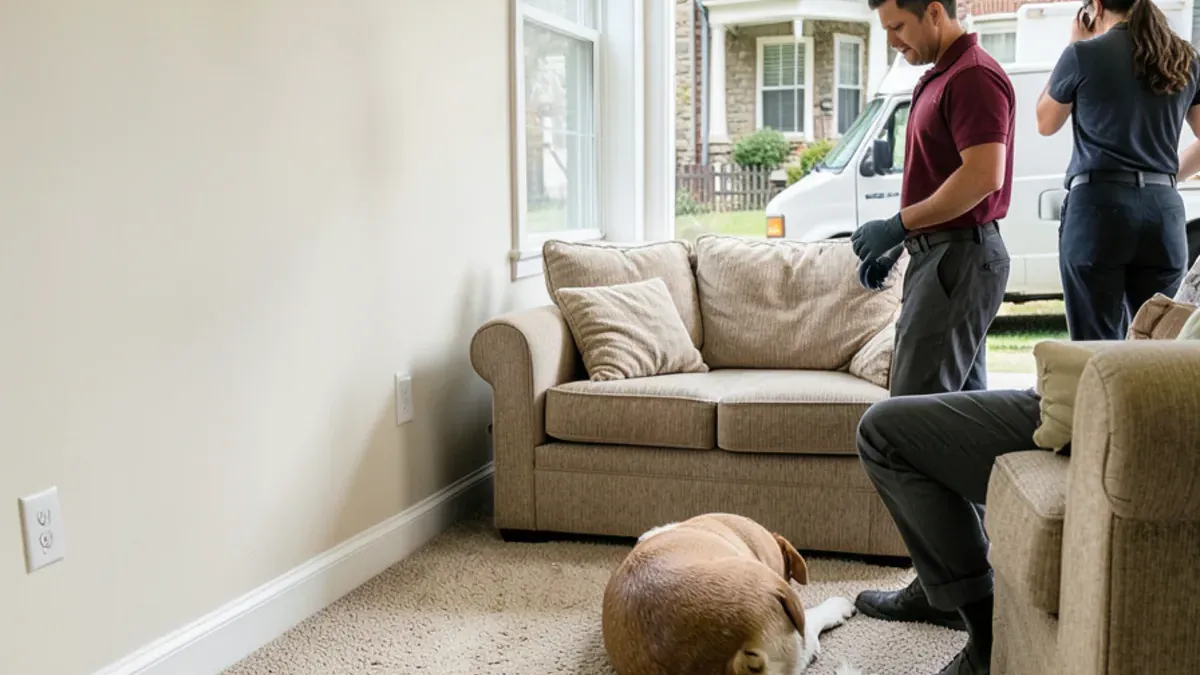
Flea Control
Flea Control in Media and Delaware County, PA
Learn more →
Silverfish Control
Silverfish Control in Media and Delaware County, PA
Learn more →
Centipede and Millipede Control
Centipede and Millipede Control in Media and Delaware County, PA
Learn more →
Pantry Pest Control
Pantry Pest Control in Media and Delaware County, PA
Learn more →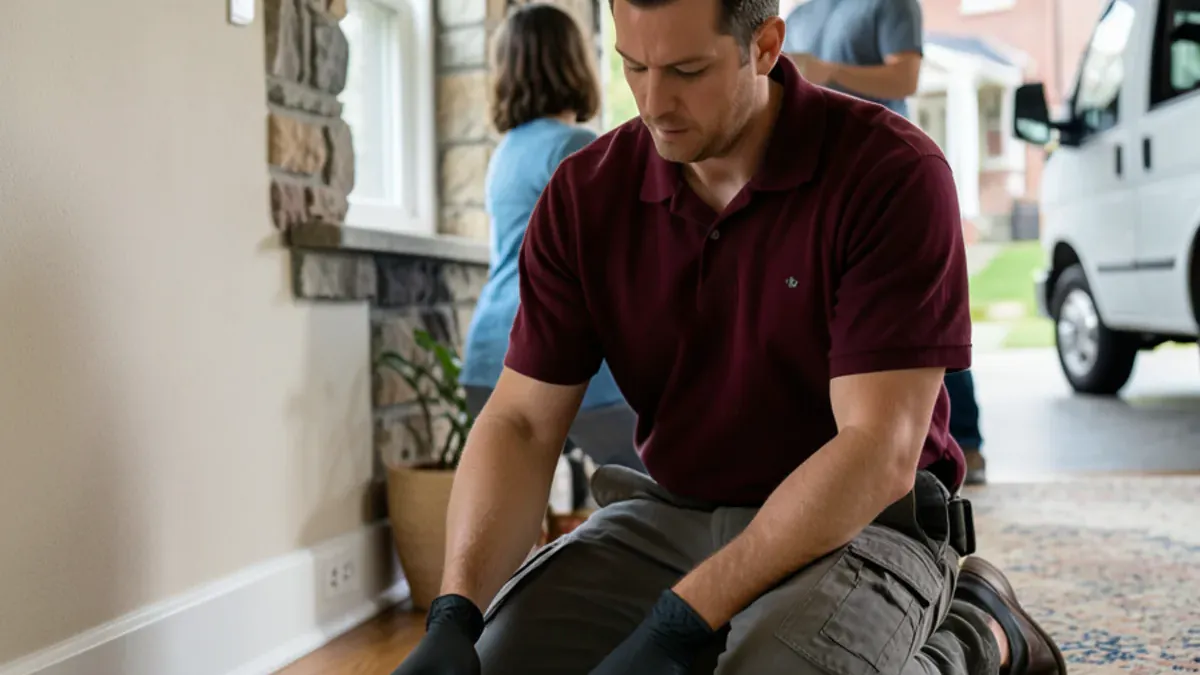
Clothes Moth Control
Clothes Moth Control in Media and Delaware County, PA
Learn more →
Fly Control
Fly Control in Media and Delaware County, PA
Learn more →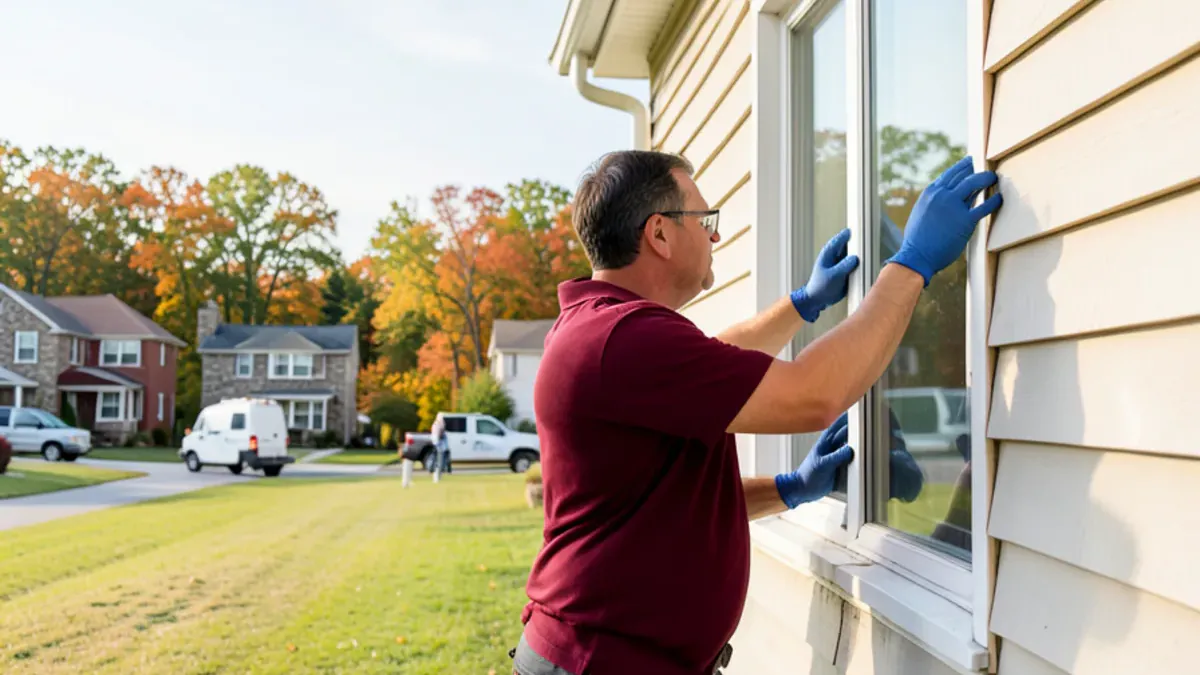
Boxelder Bug and Lady Beetle Control
Boxelder Bug and Lady Beetle Control in Media and Delaware County, PA
Learn more →What our insect control includes
- Free inspection of living areas, basement and exterior
- Identification of the insect and the life stages present
- Written quote before any treatment
- Baits, targeted liquids, dusts or growth regulators matched to the insect
- Crack-and-crevice application indoors instead of broad spraying
- Notes on entry points and moisture problems you can fix
- Prep and aftercare instructions specific to your insect
Why call No Bugs Exterminator for insect control
Local and family-run
Thom and his team are a small Media business, and Delaware County comes first on our schedule.
Open seven days
We answer calls and book visits from 8 a.m. to 7 p.m. every day, weekends included, when bugs tend to get noticed.
Inspection before treatment
You learn what the insect is and what we plan to do, at no charge, before any product goes down.
Every common insect
Bed bugs are our specialty, and we cover every household insect and rodent too, at homes and businesses.
Fast when bugs just showed up
Same-day visits are often possible when the schedule allows — call early in the day. That matters most for fleas and roaches, which multiply quickly.
Where we provide insect control
Each Delaware County town brings its own bug pattern. In Media, walk-up apartments over State Street shops share walls that roaches and ants travel. Upper Darby rowhomes, with a median build year of 1948, have old basements where silverfish and centipedes thrive. Homes in Swarthmore beside the Crum Woods and in Edgmont along Ridley Creek State Park see spiders and fall invaders moving in from the trees.
- Delaware County
Our home county, where pre-war twins in the east give roaches and ants shared walls while creek-side lots farther west send spiders and millipedes indoors.
- Media
Our own borough, where Census (ACS) estimates put 58% of homes as rentals, so insect work often means coordinating owner, tenant and the unit next door.
- Drexel Hill
Brick twins with a 1949 median build year and the large Drexelbrook apartment community give German cockroaches and ants plenty of connected space.
- Haverford Township
Darby Creek's wooded banks behind Havertown and Llanerch homes feed spiders, centipedes and carpenter ants toward basements built around 1950.
- Ridley Township
Post-war houses in Holmes, Secane and Milmont Park, median built 1957, see spring ant trails in kitchens and fall stink bugs at aging window frames.
- Springfield Township (Delaware County)
Post-war Cape Cods, nearly all owner-occupied, collect stink bugs and lady beetles behind attic knee walls and ants along kitchen slabs each spring.
- Aston Township
Split-levels from the 1960s and 70s beside the Chester Creek valley pull millipedes and centipedes in through lower-level doors after heavy rain.
- Chester
Older riverfront rowhomes, 60% renter-occupied, let cockroaches and flies move between attached units and shared trash areas.
- Radnor Township
Wooded Main Line lots and student rentals near Villanova along Lancaster Avenue bring both outdoor invaders and indoor roach problems.
What customers say on Google
4.8 out of 5 from 21 reviews on Google. Quoted as written by customers.
No Bugs Exterminator is the best I have seen. The owner is the nicest person in the world, he doesn’t rush anything, and is very thorough in job.
Excellent service, very professional and friendly! Most importantly the results gave me peace of mind! Highly recommended!
Very happy with the service, they helped me quickly to control the problem.
Insect Control: common questions
Which household insects are most common in Delaware County?
Ants and cockroaches top the list most of the year, with stink bugs taking over in fall. Odorous house ants and pavement ants appear in spring kitchens, German cockroaches settle into older shared-wall rowhomes, and stink bugs gather on sunny walls each autumn. Spiders, centipedes and silverfish round things out in damp basements.
How do I know whether I need an exterminator or a store-bought spray?
Call a professional when insects return after spraying, appear in several rooms, or breed indoors, as German cockroaches, fleas and pantry moths do. Store sprays kill what they touch but rarely reach the nest, and repellent types can split ant and roach colonies. Our free inspection tells you which situation you are in before you spend anything.
How long do insect treatments last?
It depends on the insect and method. Exterior barriers for spiders and occasional invaders usually hold for a season before sun and rain wear them down. An eliminated ant or roach colony stays gone as long as no new insects arrive, which is why we pair baiting with sealing. Homes against wooded creek lots often need the exterior renewed each season.
Can you identify a bug from a photo?
Often, yes. A sharp, close photo with a coin beside the insect for scale usually narrows it to a type. Some look-alikes, such as carpet beetle and clothes moth larvae, need an in-person look. Ask when you call how to get a photo to us; if it stays unclear, the free inspection settles it.
Do you handle insects in businesses as well as homes?
Yes. We treat insects in houses and in offices, shops and restaurants across Media and Delaware County. Commercial kitchens tend to need cockroach and fly work, while offices more often deal with ants and spiders. The steps stay the same, from free inspection to written quote to treatment, booked any day of the week.
Related services
Helpful guides from our blog
Ready to get rid of the problem?
Thom and his team serve Media, Delaware County and southeastern Pennsylvania, open 7 days, 8 a.m. to 7 p.m..
- ★ 4.8 from 21 Google reviews
- Open 7 days, 8 a.m. to 7 p.m.
- Free inspection before treatment
- Family-run, based in Media, PA
Open 7 days, 8 a.m. to 7 p.m.