
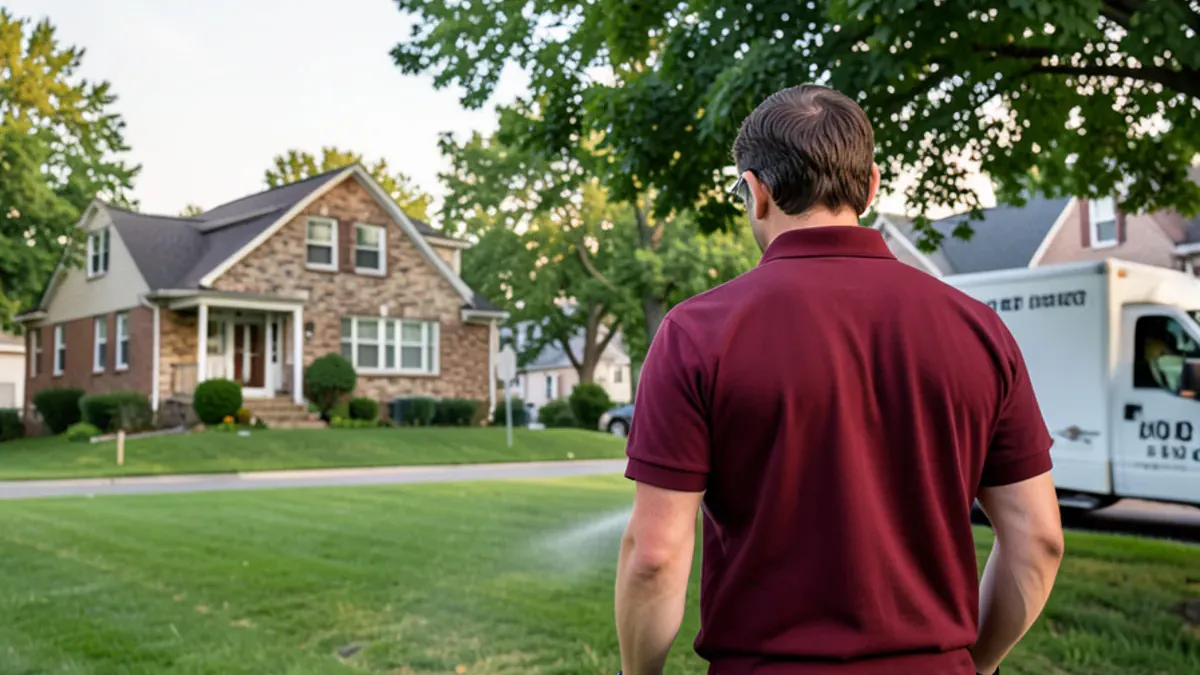
What are the signs of subterranean termites?
Eastern subterranean termites live in the soil and reach wood through mud tubes about the width of a pencil. Most homeowners never see a worker termite. They notice what the colony leaves behind:
Timing helps you read the signs. Around here, swarms usually come on warm spring days after rain, most often from March into May, and winged termites coming out of a basement wall mean the colony is feeding in or under the house, not just somewhere in the yard.
- Mud tubes running up foundation walls, piers, sill plates or the underside of porch steps
- Small dark insects with long, pale wings swarming near basement windows or doors on a warm spring day
- Piles of shed wings on windowsills, in cobwebs or on the basement floor
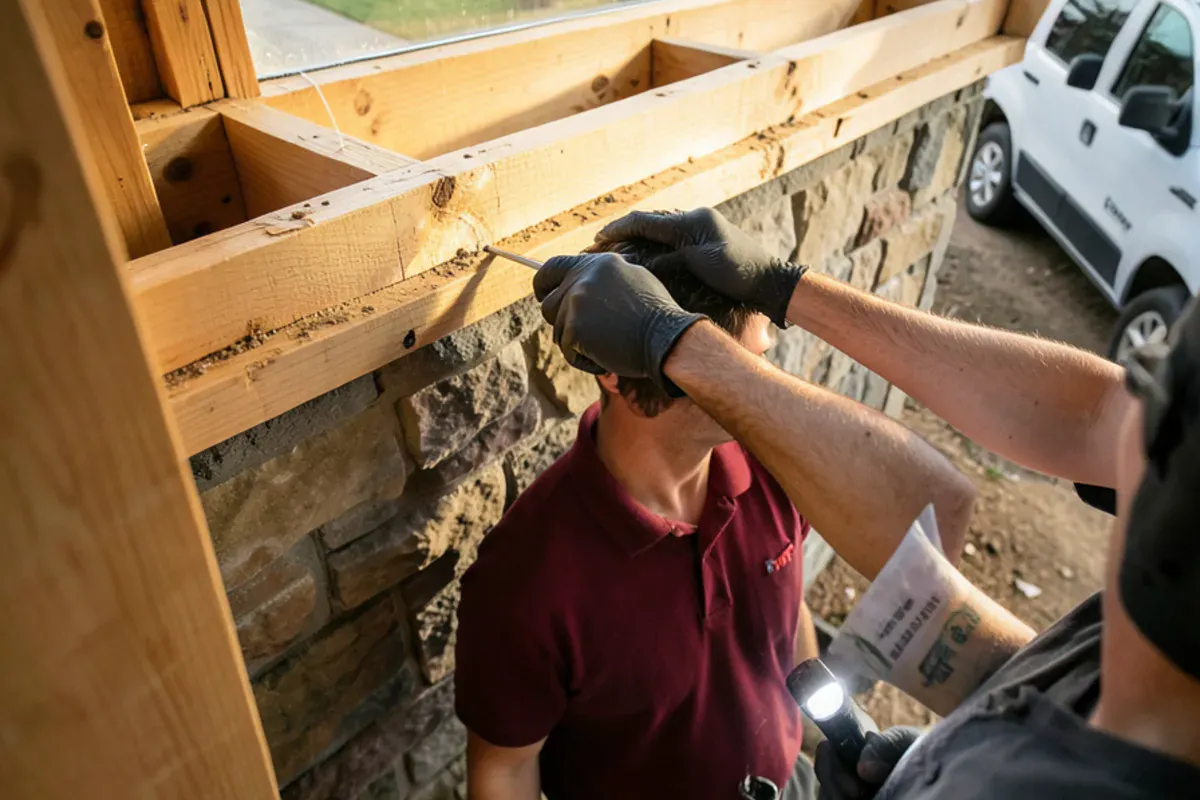
- Wood that sounds hollow or crumbles under a screwdriver, with layered galleries packed with soil
- Rippled paint or baseboards that look water-damaged even though they're dry
- A soft spot where the wooden sill rests on an old stone foundation
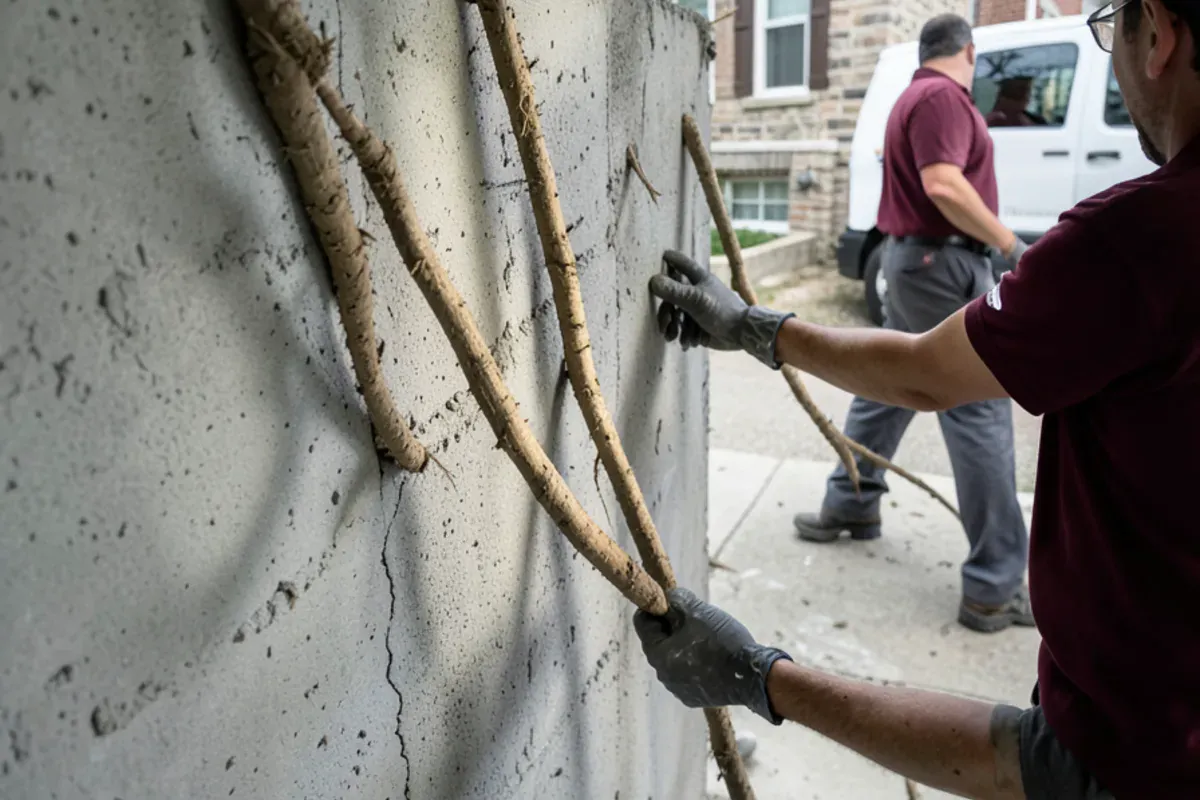
Why termites are a real risk for Delaware County homes
Southeastern Pennsylvania lies in a moderate-to-heavy subterranean termite zone, and local housing gives colonies plenty of ways in. In eastern Delaware County, Census (ACS) estimates put the median home in Lansdowne at 1943 and in Upper Darby at 1948. Many of those twins sit on fieldstone foundations whose mortar has softened with age, and termites tunnel through those joints without leaving a tube you can see.
Front porches on pre-war twins are often concrete slabs poured over fill soil that touches the house framing, a classic hidden entry. Wooden cellar window frames and firewood stacked against the wall add more chances.
Newer homes are not exempt. In the 1990s subdivisions of Concord and Bethel townships and across Chester County, the weak spots shift to slab garages, plumbing penetrations through the slab, foam insulation below grade and deep mulch beds piled against the siding. Termites can travel behind foam board and siding where nobody looks.
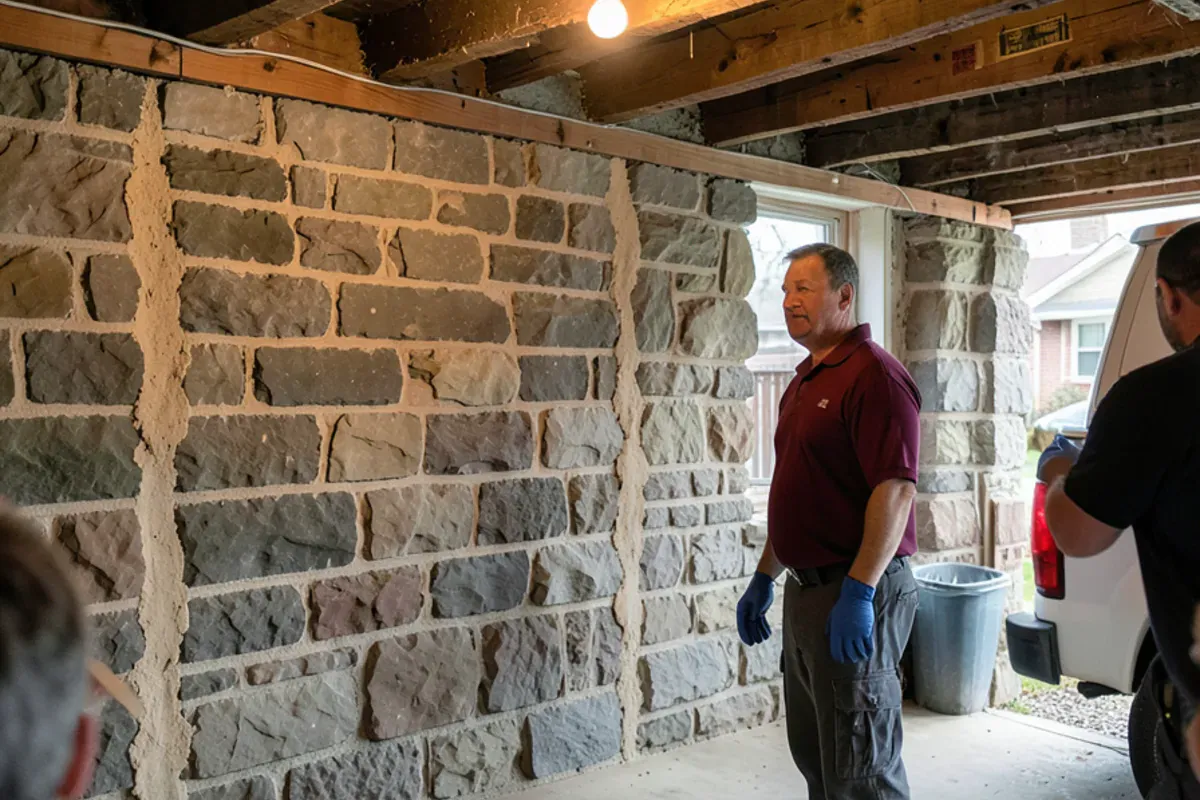
How we inspect before recommending termite treatment
A termite inspection comes first because the treatment has to match what's actually there. We walk the outside of the foundation, check porches, stoops and garage slabs, then work through the basement or crawl space looking at sills, rim joists and any wood touching soil. Suspect wood gets sounded and probed, and moisture is checked where the job calls for it.
Ruling out look-alikes is part of the job. Large black ants trailing out of a window frame point toward carpenter ant control, while pinhole exits and flour-fine powder under old beams suggest the need for powderpost beetle treatment. Buying or selling a house? A WDI inspection report is a separate document with its own form and rules.
Termite treatment options in PA: liquid barrier or bait stations?
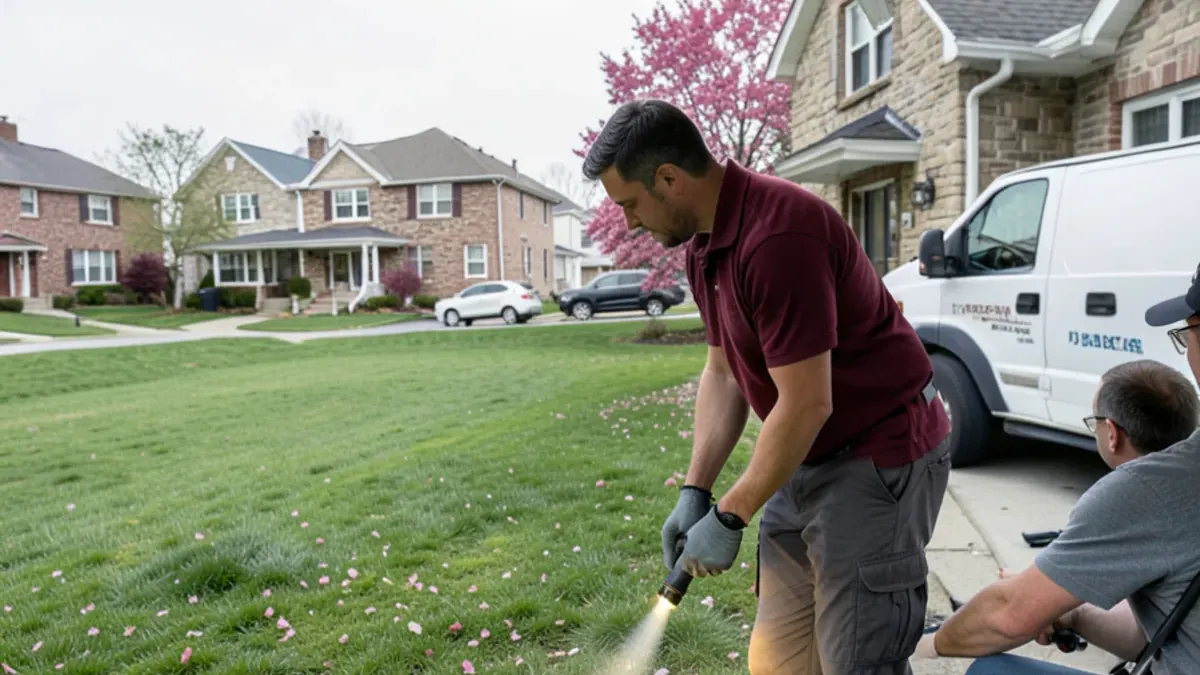
Existing houses are usually protected one of two ways, and some properties use both. A liquid termite treatment places a non-repellent termiticide in the soil along the foundation so foraging termites pick it up and spread it. Termite bait stations go into the ground around the house and hold bait that workers carry back to the colony.
Building an addition or a new house? Pre-construction termite treatment protects the soil before the slab is poured. Not every method is offered on every property, so ask us on the call which options are available for yours.
| Factor | Liquid soil treatment | In-ground bait stations |
|---|---|---|
| How it works | Treated soil zone along the foundation | Workers feed on bait and share it with the colony |
| Speed | Treated soil works right away; colony decline follows | Slower; depends on when termites find the stations |
| Disruption | Trenching outside, drilling through slabs, stoops or block | Small stations set in soil or lawn; little drilling |
| Ongoing care | Periodic re-inspection | Stations must be checked on a regular schedule |
| Often fits | Active infestations, stone or block foundations, soil-filled porches | Homes near wells or creeks, sites where drilling is hard |
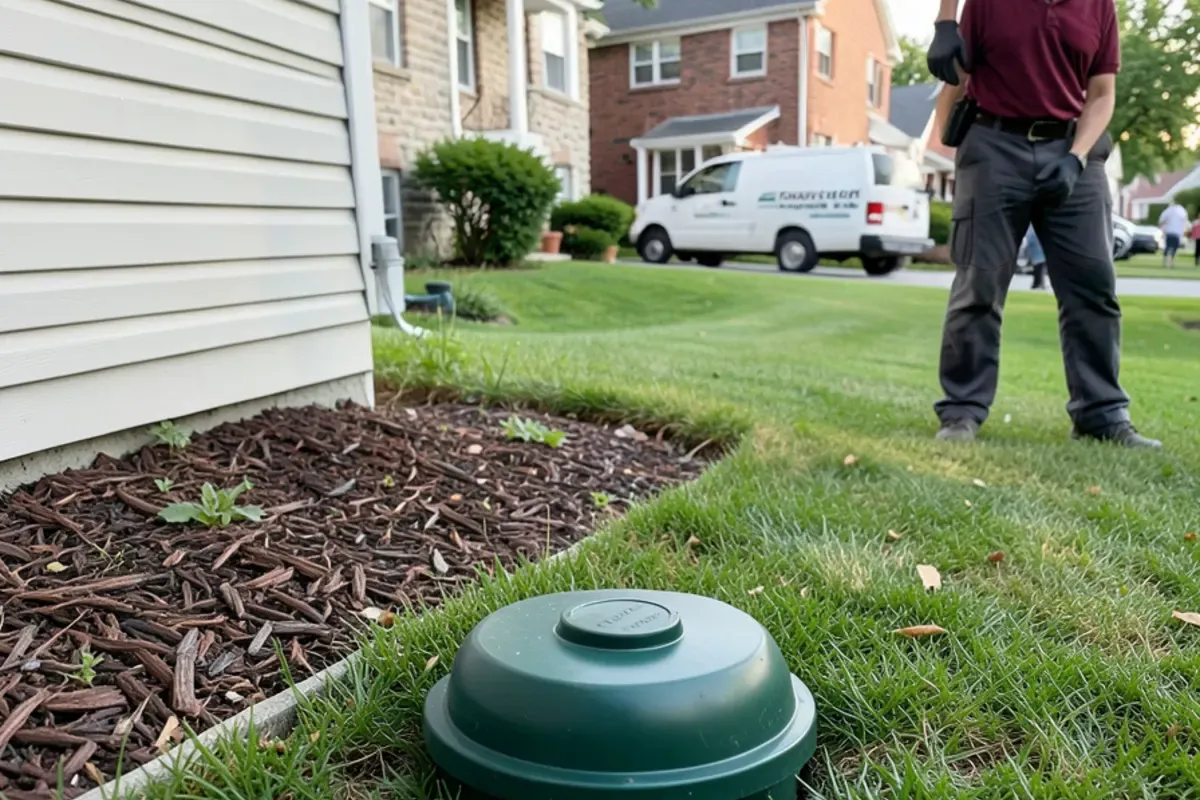
What a termite control visit looks like
Tell us what you saw
Call and describe where the swarmers, tubes or damage showed up. A photo or an insect saved in a sealed bag helps with identification.
Free inspection
Thom or one of his team checks the foundation, basement or crawl space, porches and yard edge, and confirms which insect is involved.
Written quote
You receive a written quote naming the recommended method, the areas involved and any prep, before work begins.
Prep the house
Pull stored boxes about two feet back from basement walls, clear porch slabs and let us know about any well, sump pit or buried utility lines.
Treatment
The work follows the plan in your quote, whether that means soil treatment, station installation or targeted work on a look-alike pest.
Follow-up plan
We explain the monitoring or re-inspection your method calls for and what to watch for when the next swarm season arrives.
Talk to us about termite control
Call and speak with Thom or his team. The inspection is free, and you get a written quote before any treatment.
- ★ 4.8 from 21 Google reviews
- Open 7 days, 8 a.m. to 7 p.m.
- Free inspection before treatment
- Family-run, based in Media, PA
Open 7 days, 8 a.m. to 7 p.m.
How long until the termites are gone, and what happens after?
A soil treatment starts working as soon as termites move through the treated zone, though a few workers or even a swarm can still appear for some weeks while the colony declines. Baiting is slower: termites first have to find the stations, then feed long enough to carry bait home, which can take months and slows in cold weather.
Expect small patches where slabs were drilled, and plan to watch the house through the next spring. Damaged framing doesn't recover on its own; once activity is under control, a carpenter can sister or replace joists and sills that lost strength.
Pennsylvania rules behind termite treatment and home-sale reports
Termiticides are controlled by their labels and by state law. In Pennsylvania, soil treatment for hire falls under the Pesticide Control Act of 1973, enforced by the Pennsylvania Department of Agriculture (PDA), which licenses pest control businesses and certifies applicators, and 7 Pa. Code § 128.31 puts the business license number on company vehicles. Labels also set distances from wells and cisterns and limit treatment near water, which is why we ask about a well or sump before quoting.
Home sales add a separate paper trail. Lenders, often on FHA or VA loans, may require a wood-destroying insect report, commonly written on the NPMA-33 form, and that report has to come from a properly licensed inspector.
What shapes termite treatment cost
We don't price termite work over the phone because every house is different. Your written quote reflects:
Older eastern Delaware County houses usually take more labor per foot. A fieldstone foundation under a Lansdowne twin or a hollow-block wall in a 1950s Ridley Township home may need drilling and void treatment on top of trenching, while poured concrete in a newer Edgmont subdivision is simpler to treat from the outside.
Attached homes add one more variable. A barrier around your half of a twin protects your side, so the quote notes whether the shared foundation line can be reached from your property or needs the neighbor's cooperation.
- Linear feet of foundation, plus the number of porches, stoops and attached garages
- Foundation type: fieldstone, hollow block, poured concrete or slab
- How much drilling a finished basement, patio or garage slab requires
- Soil treatment, bait stations or a combination
- Wells, cisterns, creeks or drainage that limit where soil can be treated
- Any ongoing monitoring the method requires
- Whether carpenter ants or wood-boring beetles also need attention
Preventing termites from coming back
Keep mulch thin and pulled several inches back from the foundation, and leave a visible band of concrete or stone between soil and siding. Store firewood and scrap lumber off the ground and away from the house. Correct downspouts and grading that send water toward the walls, and make sure air conditioner condensate drains away from the foundation.
Look over basement walls and porch steps each spring when swarms begin. Termites are only one part of keeping a house pest-free; for mice, ants and seasonal invaders, see our general pest control services and insect control.
Termite Control: every service in this group
Termite Inspection
Termite Inspection in Media and Delaware County, PA
Learn more →
WDI Inspection Report
WDI Inspection Report in Media and Delaware County, PA
Learn more →
Liquid Termite Treatment
Liquid Termite Treatment in Media and Delaware County, PA
Learn more →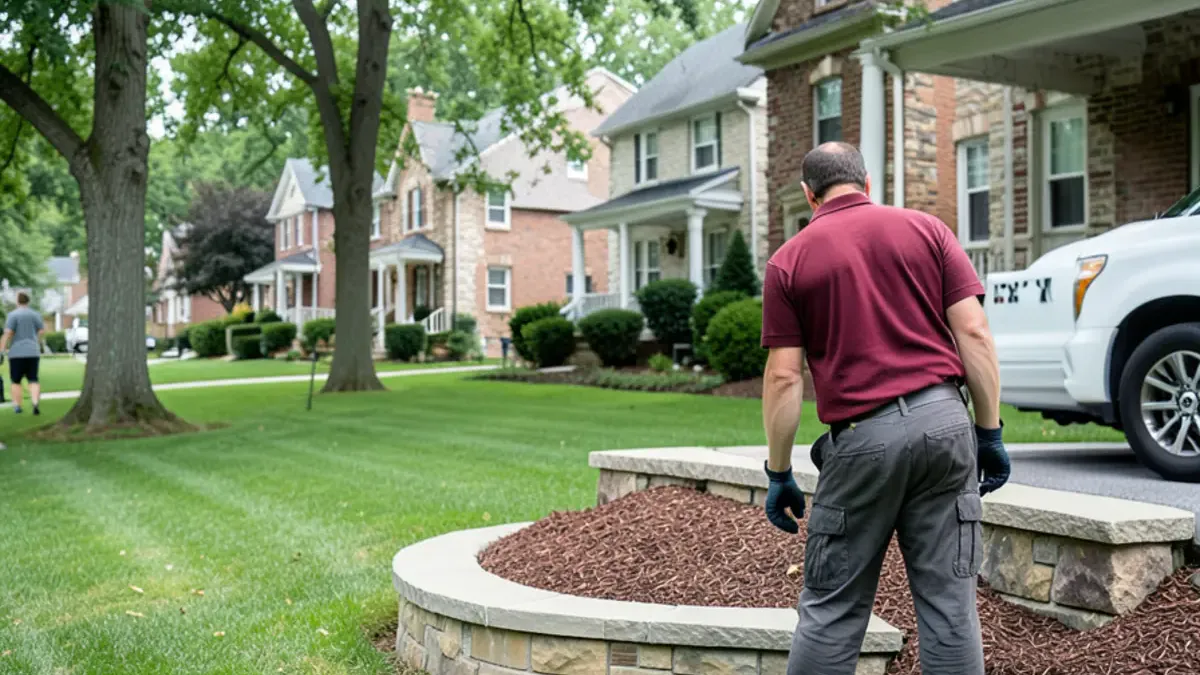
Termite Bait Stations
Termite Bait Stations in Media and Delaware County, PA
Learn more →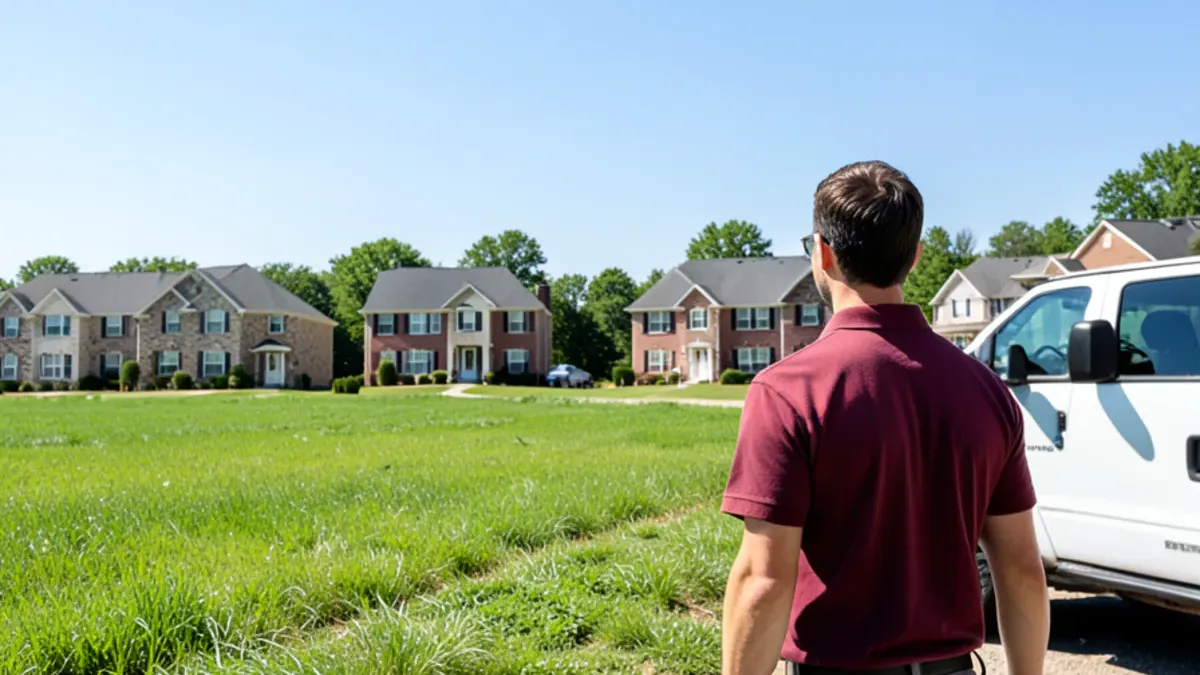
Pre-Construction Termite Treatment
Pre-Construction Termite Treatment in Media and Delaware County, PA
Learn more →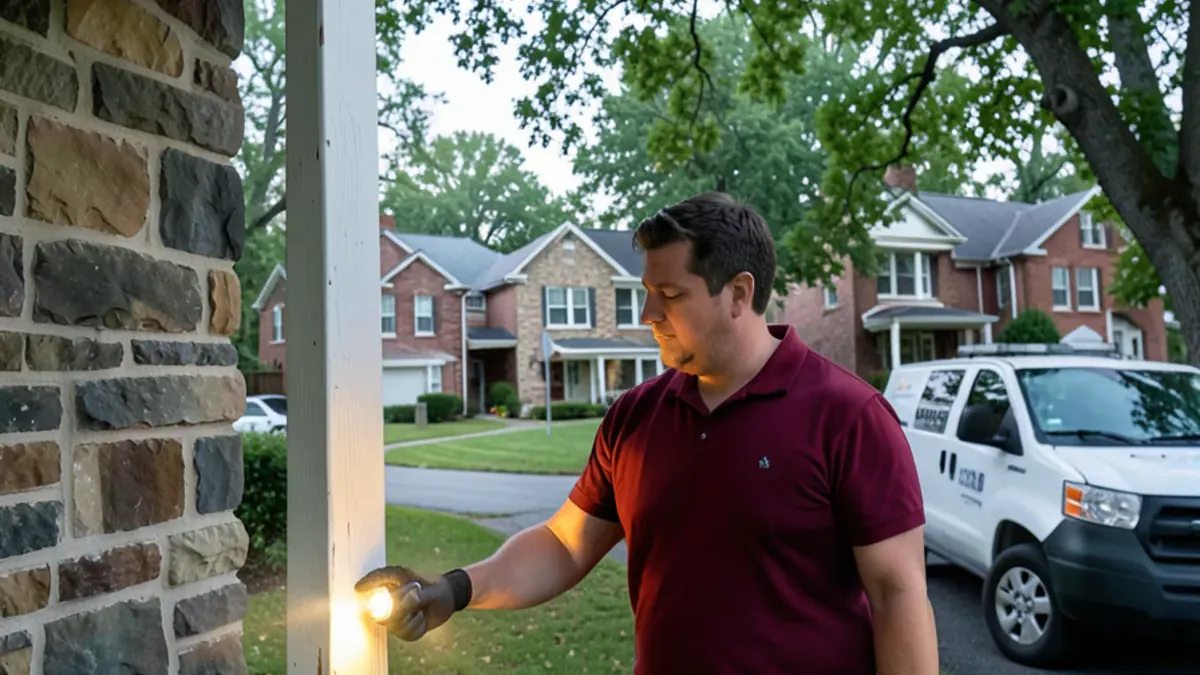
Carpenter Ant Control
Carpenter Ant Control in Media and Delaware County, PA
Learn more →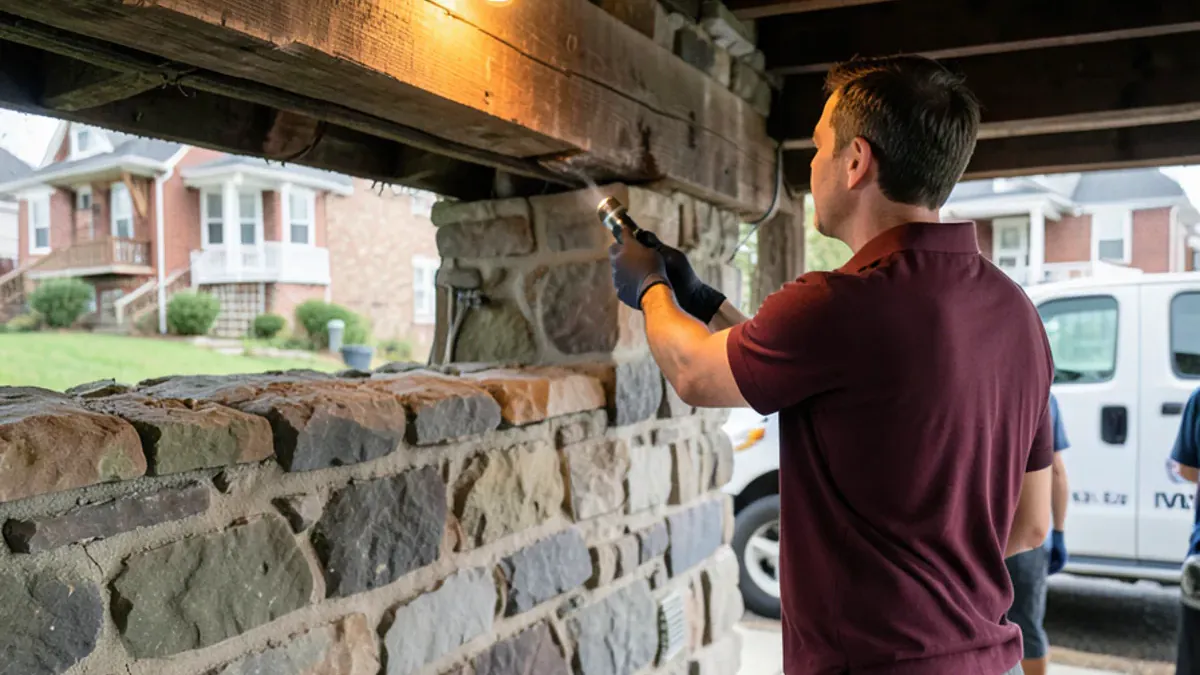
Powderpost Beetle Control
Powderpost Beetle Control in Media and Delaware County, PA
Learn more →What our termite control includes
- Free inspection of the foundation, basement or crawl space, porches and garage slab
- Identification of termites versus carpenter ants or wood-boring beetles
- Written quote naming the recommended method and treatment areas
- Treatment carried out as described in your quote
- Moisture problems and wood-to-soil contact points flagged for repair
- Guidance on monitoring and what to watch for during swarm season
Why call No Bugs Exterminator for termite control
See the plan before any price
Every termite job starts with a free inspection and a written quote, so you know the method and the treatment areas up front.
A Media-based family business
Thom and his team work out of Media, so stone twins in eastern Delaware County and newer homes to the west are a short drive away.
Open seven days
Call any day between 8 a.m. and 7 p.m. Same-day visits are often possible when the schedule allows — call early in the day.
4.8 stars on Google
Our rating on Google stands at 4.8 stars, based on 21 reviews from local customers.
Where we provide termite control
Termite pressure looks different across our service area. In Lansdowne and Upper Darby, pre-war twins on fieldstone foundations with soil-filled porches are the usual concern. Out in Concord Township and Bethel Township, 1990s subdivisions bring slab garages, foam insulation and deep mulch beds instead. We reach both from our base in Media.
- Haverford Township
Havertown and Llanerch homes from around 1950 sit near Darby Creek's wooded banks, where damp soil and old sills invite subterranean termites.
- Nether Providence Township
Wallingford and Garden City houses along Crum Creek and Smedley Park keep moist, shaded soil against their foundations through the swarm season.
- Rose Valley
Deep woods, fallen timber and Arts-and-Crafts era houses give termite colonies both food and cover close to the foundation.
- Springfield Township (Delaware County)
Post-war Cape Cods with a 1955 median build year often have wooden basement windows and porches where termites reach framing unseen.
- Ridley Park
Victorian railroad-suburb homes around Ridley Park Lake combine older foundations with wet ground, two conditions termites favor.
- Edgmont Township
Newer subdivisions bordering Ridley Creek State Park have slab garages, foam insulation and deep mulch where termites travel unnoticed.
- Thornbury Township (Delaware County)
Large-lot Glen Mills and Cheyney homes built around 1997 sit beside open fields and wood lines, so colonies forage from many directions.
- Darby
Settled in 1682 along Darby Creek, the borough's old rowhomes often rest on aging stone foundations with soft mortar joints.
- Media
The county-seat borough's 1959 median housing includes older homes on stone and block foundations a short drive from our base.
What customers say on Google
4.8 out of 5 from 21 reviews on Google. Quoted as written by customers.
Very professional and knowledgable service providers. They mainly solved our problems in one visit!
Easiest experience, very professional, well done 👍
Thom is a top-notch pest control specialist! And is one of the most genuine guys in the industry. He came to inspect a situation I had going on at the house, took his time, offered detailed advice, and didn’t take a penny.
Termite Control: common questions
Are termites a real risk in Delaware County?
Yes. Southeastern Pennsylvania falls in a moderate-to-heavy zone for subterranean termites, and Eastern subterranean termites are active throughout the county. Older twins with stone foundations and soil-filled porches give them hidden entry points, and newer homes can be reached through slab cracks and mulch beds. Swarms usually appear on warm spring days after rain, which is when most homeowners first notice a problem.
How much does termite treatment cost in Pennsylvania?
It depends on the house, so we give a written quote after a free inspection rather than a phone estimate. The biggest drivers are foundation length, how many porches or slabs need drilling, whether a well is nearby, and whether you choose soil treatment, bait stations or both. A Media twin with one porch is a very different job from a 1990s colonial with a slab garage.
What are the signs of subterranean termites?
Look for pencil-wide mud tubes on foundation walls, winged insects swarming indoors in spring, and piles of discarded wings near windows. Damaged wood often looks fine on the surface but sounds hollow and is packed with soil inside. In older Delaware County basements, check closely where the wooden sill sits on top of the stone foundation.
How long does a termite treatment last?
That depends on the method. A liquid soil treatment can protect for several years, depending on the product label, soil conditions and whether treated soil is later dug up for a patio, landscaping or utility work. Bait stations protect only while they're checked and kept stocked. Either way, a yearly look around the foundation each spring, when swarms begin, is a sensible habit.
What should a termite warranty or re-inspection agreement include?
Ask any provider to put the terms in writing before you sign. A clear agreement states which termites are covered, whether it pays only for re-treatment or also for damage repair, how often the house is re-inspected, what renewal involves, and what voids it, such as adding a porch or disturbing treated soil. Also ask whether the agreement transfers to a buyer if you sell.
Related services
Helpful guides from our blog
Ready to get rid of the problem?
Thom and his team serve Media, Delaware County and southeastern Pennsylvania, open 7 days, 8 a.m. to 7 p.m..
- ★ 4.8 from 21 Google reviews
- Open 7 days, 8 a.m. to 7 p.m.
- Free inspection before treatment
- Family-run, based in Media, PA
Open 7 days, 8 a.m. to 7 p.m.