
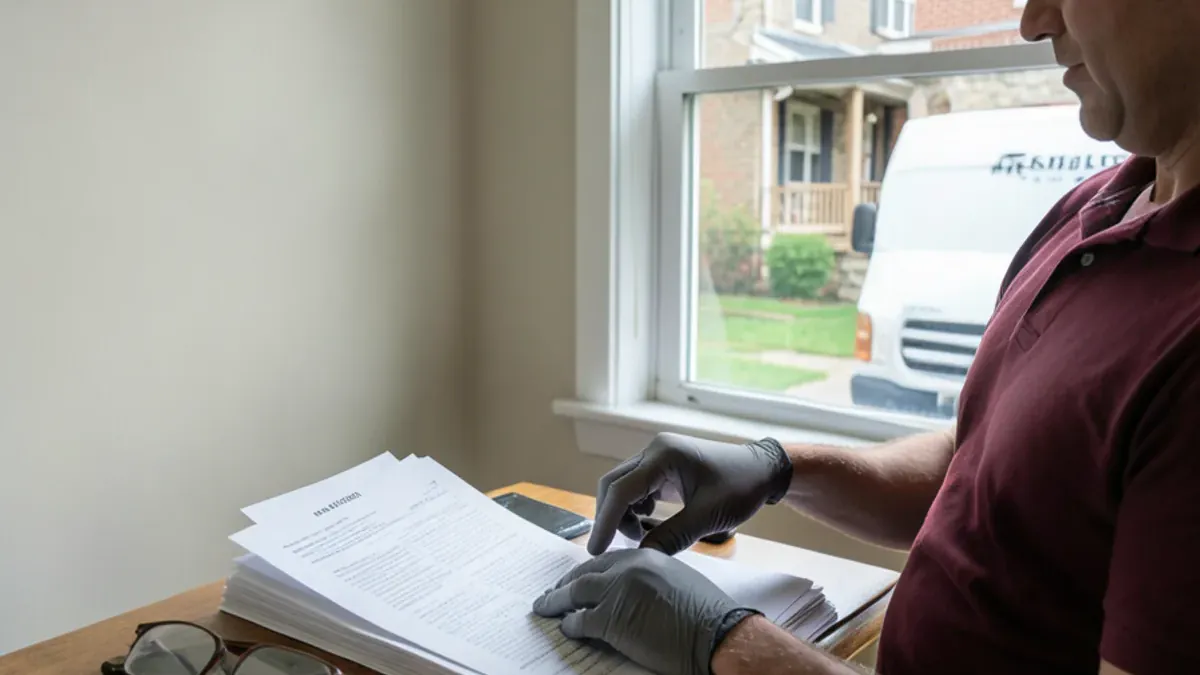
Does homeowners insurance cover termites? In most cases, no: standard policies usually treat termite, bed bug and rodent problems as maintenance issues and exclude both the treatment and the damage. This is general information, not insurance or legal advice; your policy wording and your agent have the final say.
Why most policies exclude pest damage
There are narrow exceptions, though, and knowing them helps you read your own policy and document a problem properly. They make more sense once you see why the exclusion exists.
Homeowners insurance is built around sudden, accidental events: a fire, a burst pipe, a fallen tree. Termite damage, by contrast, develops slowly over months or years, and insurers generally view it as something regular inspection and upkeep should catch. That reasoning shows up in many policies as an exclusion for damage caused by insects, vermin, rodents or birds.
In southeastern Pennsylvania, which lies in a moderate-to-heavy subterranean termite zone, that exclusion matters. Delaware County's housing is older than many people realize, with a median build year of 1957 according to Census (ACS) estimates, and older wood framing has had more years to meet termites.
Termite damage and insurance: are there exceptions?
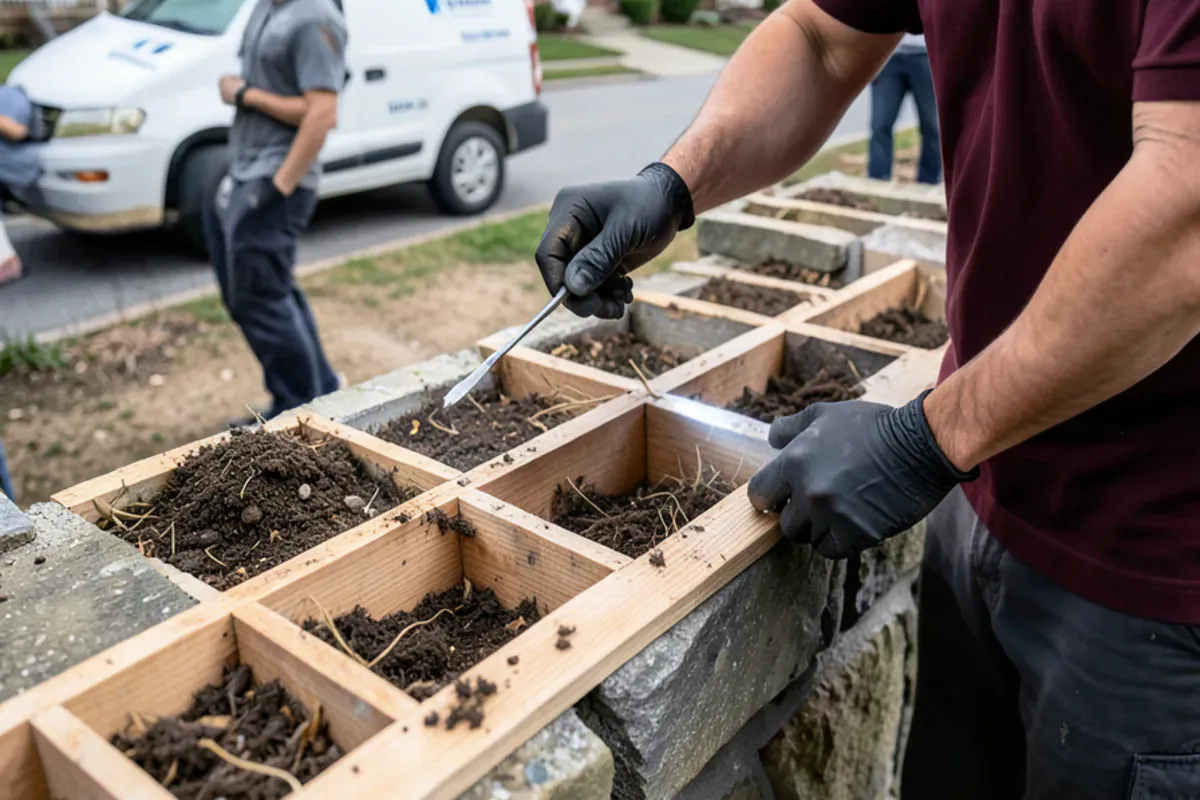
A few situations can fall outside the usual exclusion, depending on the policy form. Some policies include coverage for collapse caused by hidden insect damage, meaning a structural failure where the damage was concealed inside walls or floors and no one could reasonably have known about it. The definitions are narrow, and visible mud tubes or past treatment records can weigh against a claim.
Separately, if pest activity leads to a different covered event, the resulting loss may be handled differently from the pest damage itself. Rodents chewing through wiring is the common example: the chewing is typically excluded, while a fire that follows may be reviewed under the fire coverage. Ask your agent how your specific policy treats these cases before you assume either way.
Does insurance pay for bed bugs?
Bed bug treatment is almost always excluded from homeowners and renters policies, again on the theory that infestations are a maintenance matter. Damaged mattresses and furniture are usually excluded for the same reason.
Renters should also read their lease, since many Pennsylvania leases assign pest responsibilities between tenant and landlord, and that often matters more than any insurance policy. If bed bugs arrived from a hotel stay or a purchased item, keep any records you have, but expect to rely on your own budget for treatment. Our bed bug treatment page explains how an inspection sizes the job so you can plan for it.
What to check in your homeowners policy
Pull out the full policy, not just the declarations page, and look for these items. Highlight anything unclear and ask your agent to explain it in writing:
- The exclusions section, especially wording about insects, vermin, rodents, birds, wear and tear, and gradual deterioration.
- Any additional coverage for collapse, and how it defines hidden or concealed damage.
- Whether a separate covered event, such as fire or water damage, is treated differently when a pest set it in motion.
- Optional endorsements listed on your declarations page.
- Notice requirements: how soon after discovery a claim must be reported.
- Duties after loss, such as protecting the property from further damage.
How to document pest damage the right way
Photograph before touching anything
Take wide shots and close-ups of the damage, the pests and any mud tubes, droppings or chewed wiring, with the date recorded.
Save samples
Keep a few insects in a sealed bag or jar, labeled with the date and location.
Get a written inspection
A termite inspection or other pest inspection produces findings in writing, including where activity was found and how extensive it appears.
Call your agent early
Report the discovery promptly and ask whether an adjuster wants to see the damage before repairs begin.
Keep damaged materials
Do not throw away damaged wood, wiring or flooring until you know whether anyone needs to inspect it.
Keep every record
File treatment agreements, invoices, inspection reports and correspondence together in one folder.
Buying or selling a home with termite history: what fills the gap?
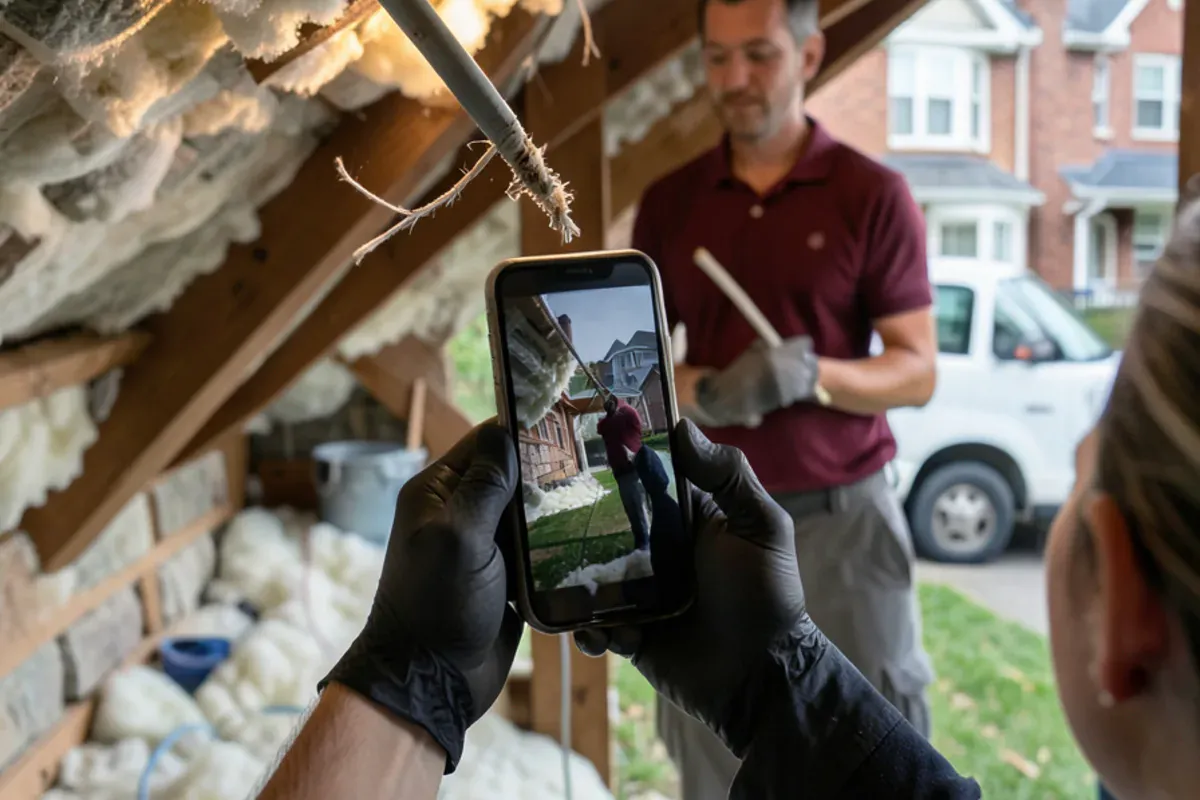
When a house changes hands, the paperwork that matters is usually not the insurance policy. Pennsylvania's Real Estate Seller Disclosure Law requires sellers to disclose known material defects, and the standard disclosure form asks about wood-destroying insect damage and past treatment. Buyers using FHA or VA loans may also find that the lender requires a wood-destroying insect (WDI) report, commonly written on the NPMA-33 form.
A WDI report must come from a properly licensed inspector; our WDI inspection report page explains what it covers, and we will tell you on the call whether we can issue one for your sale. Ask the seller for any old treatment records too. This is general information, not legal advice.
Where a free inspection fits in
Whether or not a claim is possible, you still need to know what is happening in the structure. We provide a free inspection before treatment and a written quote afterward, which gives you a clear record of what was found and what is proposed. The termite control page covers how active colonies are treated once they are confirmed.
Our team works throughout Delaware County and is open seven days a week, 8 a.m. to 7 p.m. Call (209) 563-1650 if you want an inspection on the calendar before you talk to your agent.
What we notice when homeowners ask about claims
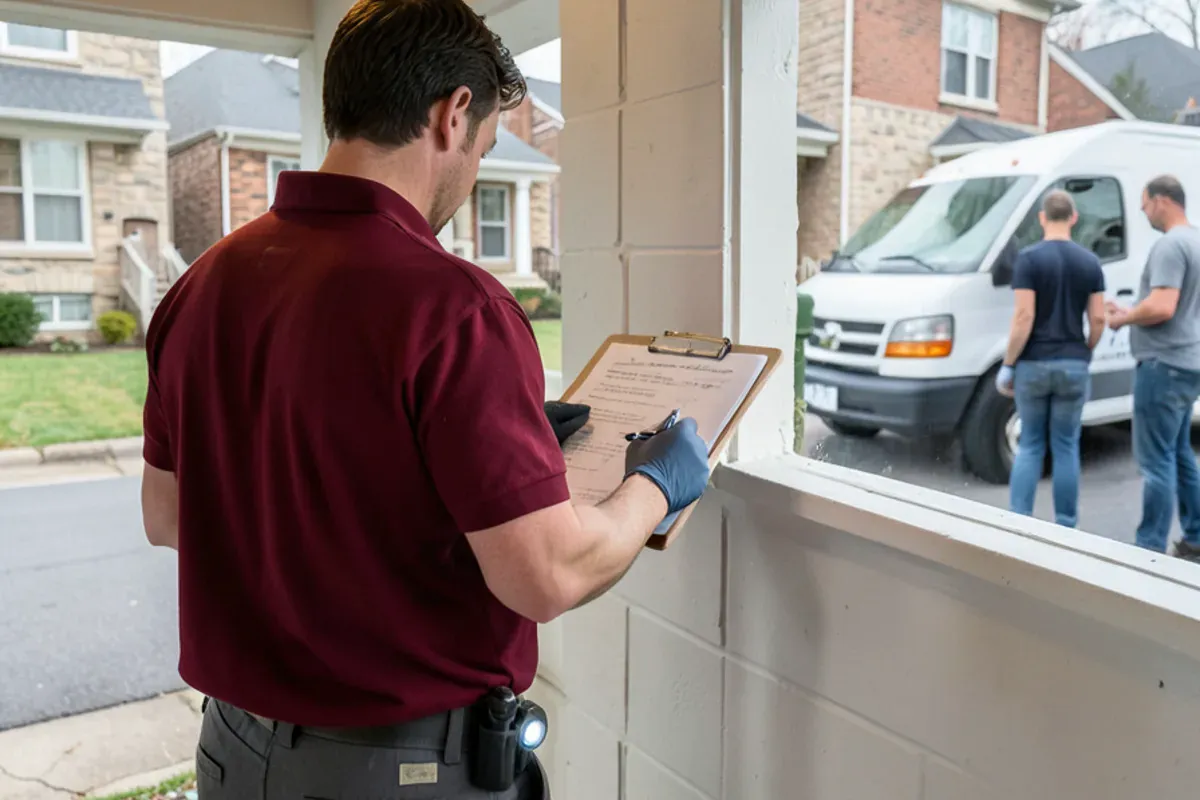
When we inspect a home after someone finds termite damage, the question about insurance usually comes up within the first few minutes. Our role is to describe what we find clearly and in writing; how a policy applies is between the homeowner and the insurer.
What we can say is that the most thoroughly documented situations are the easiest to discuss with anyone. Dated photos, samples and written findings taken before any cleanup or repair give a homeowner a much stronger footing than memories and a swept-up pile of wings.
The paperwork that does help is often an older termite treatment agreement from a previous owner or provider. If one exists, read its terms before anything else; some include re-treatment or repair language, and some can be transferred to a new owner. We ask to see that paperwork during the inspection, because the date of a past treatment and the areas it covered tell us where to look for gaps in an aging barrier.
Quick answers
Will my policy pay to treat termites if the damage is covered?
Usually not. Even in the rare case where a collapse or a related event is covered, the cost of eliminating the termites themselves is typically treated as maintenance. Plan for treatment separately, and ask your agent whether any part of the repair could be considered. A written inspection report helps both conversations by stating exactly where termites were found and when.
Does renters insurance cover bed bugs?
In most cases, no. Renters policies generally exclude insect infestations, both for treatment and for damaged belongings. Who pays for treatment in a rental depends more on the lease and on how the infestation started. In Delaware County's apartment buildings and rented twins, a quick written notice to the landlord is usually the first practical step.
Is rodent damage covered by homeowners insurance?
The chewing itself usually is not, since most policies exclude damage caused by rodents and vermin. The picture can change if gnawing sets off a separate covered event, such as a fire from damaged wiring or water from a chewed supply line. Photograph the chewed material, keep it, and ask your agent how your policy treats the resulting damage. Fixing the entry points is still the homeowner's job.
The bottom line
Most policies leave termites, bed bugs and rodents to the homeowner, with a few narrow exceptions worth checking. Read the exclusions, document everything before you clean up, and call your agent early. When you need clear, written inspection findings to work from, our team is glad to help.
Sources
Written by the No Bugs Exterminator team
A small, family-run pest control business in Media, PA, led by owner Thom. We write about what we see on inspections in Delaware County and southeastern Pennsylvania. About us.
Services mentioned in this guide

Want a professional opinion?
Book a free inspection and get a written quote before any treatment.
- ★ 4.8 from 21 Google reviews
- Open 7 days, 8 a.m. to 7 p.m.
- Free inspection before treatment
- Family-run, based in Media, PA
Open 7 days, 8 a.m. to 7 p.m.