
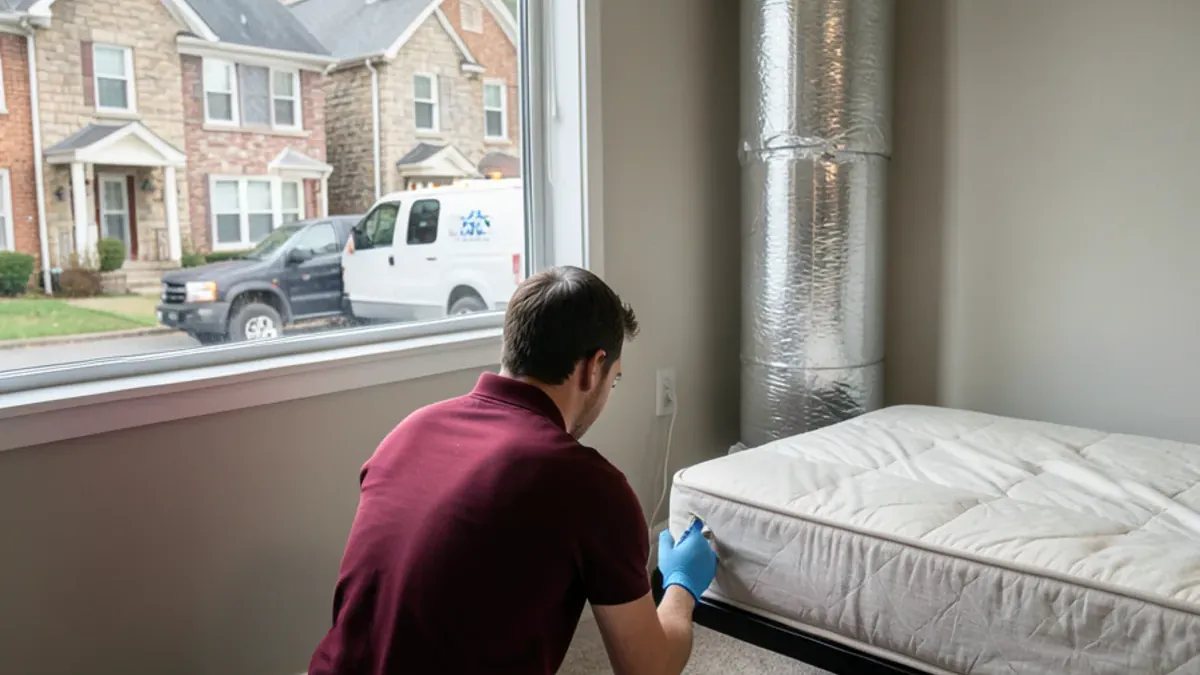
In the heat vs chemical bed bug treatment debate, neither method wins in every home. Heat can clear a room in one long visit but leaves no lasting residue, while a targeted chemical program takes several visits and keeps working between them.
Does heat kill bed bugs, eggs and all?
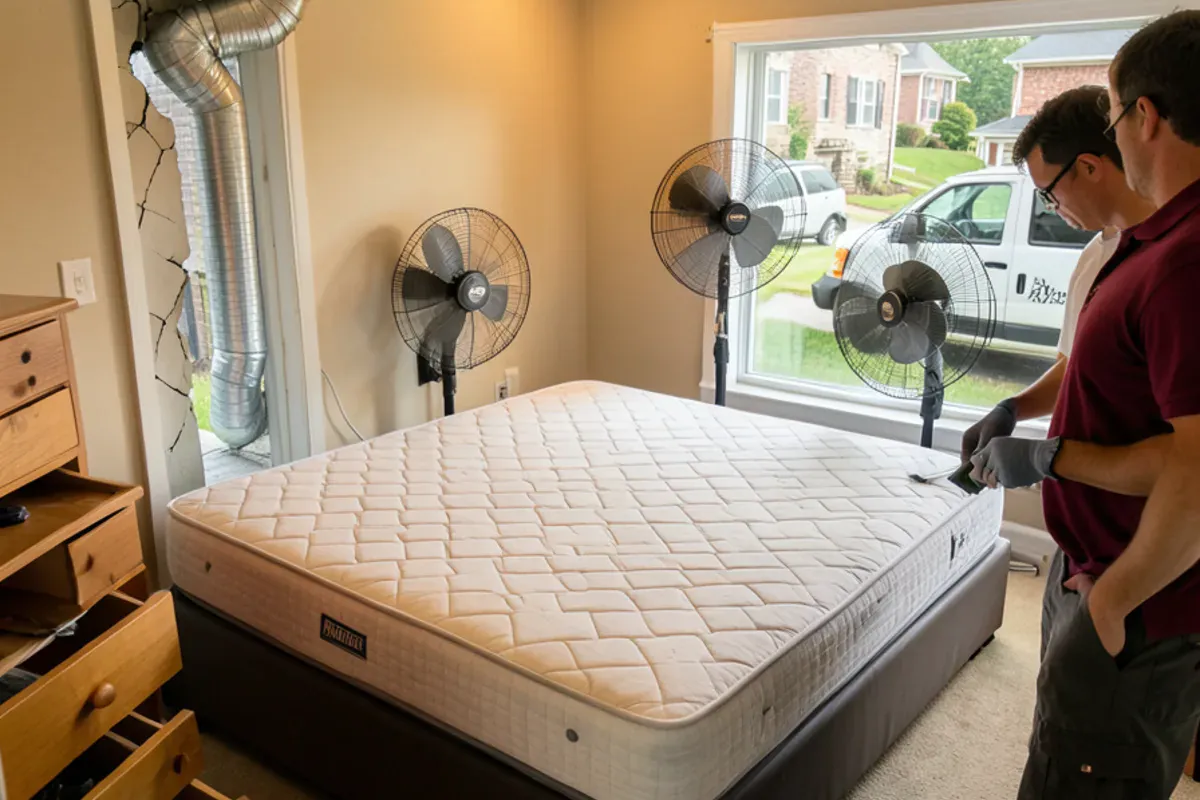
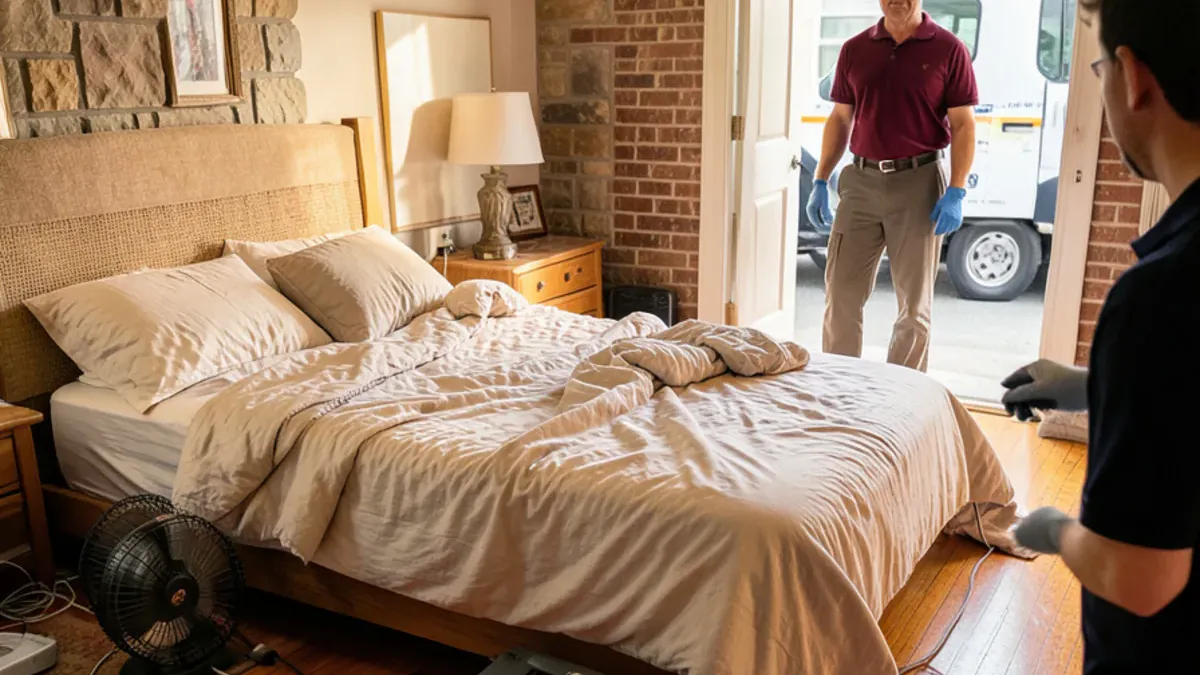
Yes, when it is done thoroughly. Bed bugs and their eggs die when held at temperatures of roughly 118 to 122°F or higher for long enough. A whole-room heat treatment uses specialized heaters and fans to push the air well above that range so that the inside of mattresses, couch cushions, dresser joints and wall cracks also reach a lethal temperature. Sensors placed in the thickest items show when the heat has penetrated.
The challenge is cold spots. A stack of books, a packed closet or a heavy rug can shield bugs from the heat, which is why careful setup, moving items during the treatment and monitoring matter as much as the equipment. Once the room cools, heat leaves nothing behind to stop a bug that walks in later from another room or a neighboring unit.
Killing power is only one side of the choice, though. The right choice depends on your furniture, your building, how much prep you can manage and whether bugs have spread beyond the bedroom, and the sections below take those in turn.
How does a bed bug spray treatment work?
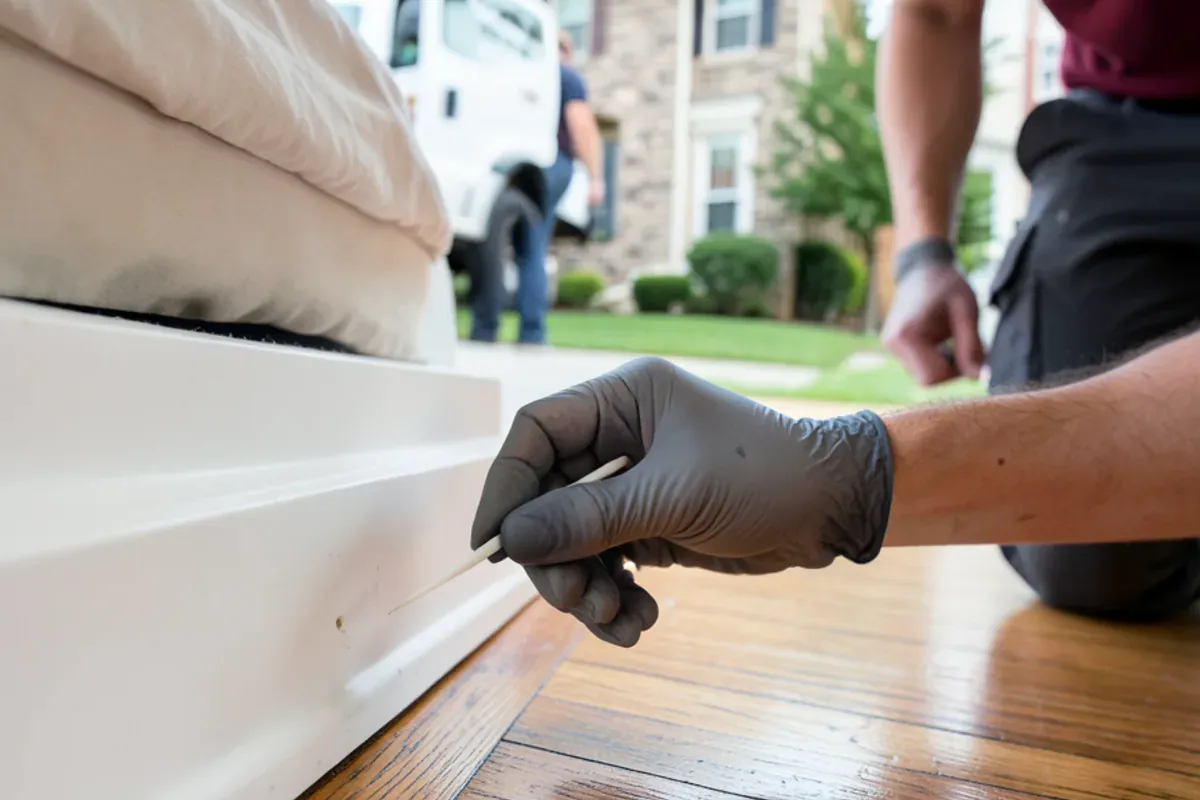
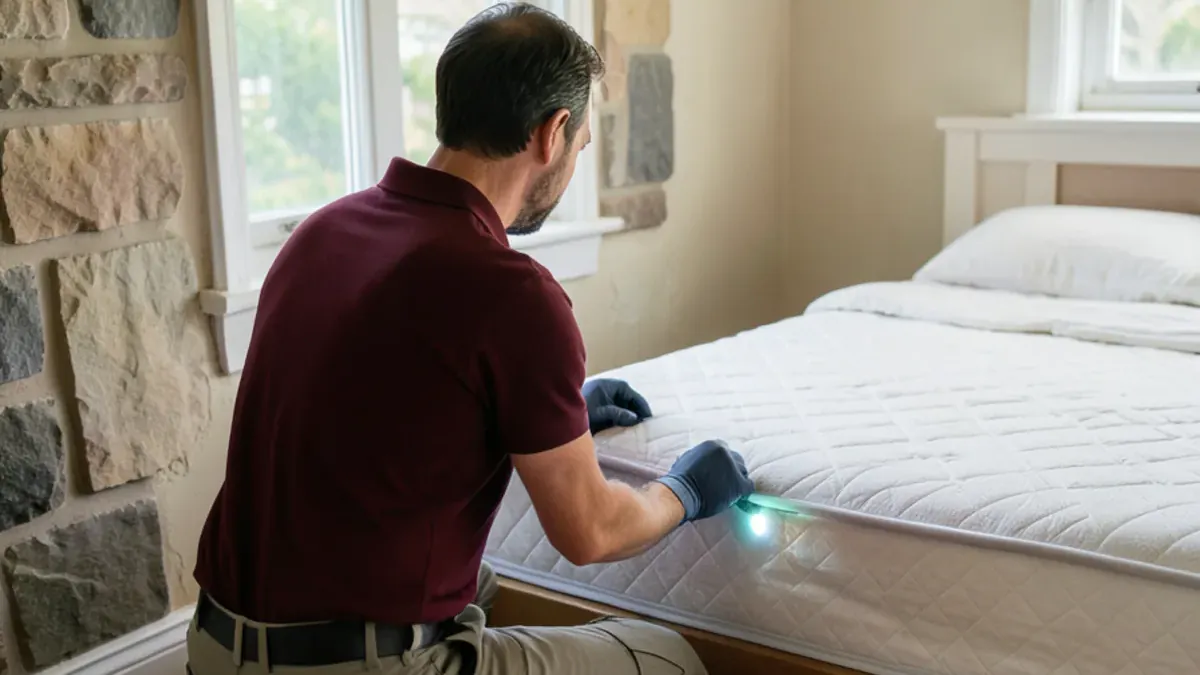
A chemical program places targeted products where bed bugs actually live: mattress and box spring seams, bed frame joints, the edges of carpet, baseboards, outlet boxes and furniture crevices. Residual sprays and dusts keep acting for a period after they are applied, so bugs that emerge from hiding or hatch from eggs contact the treatment.
Because eggs are protected from many products and hatch over one to two weeks, chemical treatment is normally done in a series of visits spaced about two weeks apart. Each visit includes an inspection to see where activity remains. Our bed bug chemical treatment page describes how those visits are scheduled.
Heat vs. chemical bed bug treatment side by side
| Factor | Heat treatment | Chemical treatment |
|---|---|---|
| Visits | Usually one long day, sometimes with a check-up | Typically two or more visits about two weeks apart |
| Time out of the home | Most of the treatment day | Several hours per visit, until surfaces dry |
| Residual protection | None once the room cools | Continues working between visits |
| Prep | Remove heat-sensitive items; loosen packed belongings | Bag and launder linens and clothing; clear access to baseboards and furniture |
| Clutter tolerance | Low; dense piles create cold spots | Moderate, but clutter still hides bugs from treatment |
| Apartments and shared walls | Clears the unit fast but cannot protect against re-entry | Residual helps against bugs moving in from neighbors |
| Heat-sensitive belongings | Some items must leave the room | No heat concerns |
Which treatment option fits your home?
Use these as starting points for the conversation with your technician, not as fixed rules.
- Heat often fits single-family homes with a contained problem, households that need the fastest possible resolution, and rooms where furniture is hard to treat crevice by crevice.
- Chemical often fits apartments, twins and rowhomes where bugs can return through shared walls, homes with many heat-sensitive belongings, and situations where several shorter visits work better than one long day.
- Either can fail if prep is incomplete or if rooms next to the bedroom are skipped during inspection.
- Neither fixes a source such as a neighboring unit or a piece of secondhand furniture; that takes inspection and cooperation.
When does combining heat and chemical make sense?
Many professionals use the two together. A common pattern is heat to knock the population down quickly, followed by a targeted residual application along baseboards, outlets and furniture edges to catch anything that escaped or arrives later. In multi-unit buildings, that pairing addresses both speed and re-entry.
The reverse also happens: a chemical program for the room, combined with heat for specific belongings such as clothing in a hot dryer or items that cannot take a spray. The inspection shows which pieces of each approach your home needs.
Where do steam, freezing and other home methods fit?
As helpers, not as a whole-room plan. A handheld steamer kills bed bugs and eggs it touches directly, which makes it useful on mattress tufts and couch seams, but the heat only reaches a fraction of an inch into the fabric. A household freezer works on small items if they stay at 0°F for about four days, which many kitchen freezers do not hold reliably.
Diatomaceous earth acts slowly and only on bugs that walk through it. Foggers and bug bombs are the one method that tends to make the job bigger, because they scatter bugs into walls and the next room without reaching the seams where they hide. Mention anything you have already tried during the inspection.
Choosing a bed bug treatment in Media
Bed bugs are a specialty for Thom and his team, and every job starts with a free inspection followed by a written quote that names the method, the rooms covered and the number of visits. Ask any provider you speak with how they handle prep, cold spots and follow-ups, and request re-treat or warranty terms in writing.
Our bed bug heat treatment page explains the heat process in more detail. Whole-room heat depends on the property and its power supply, so call (209) 563-1650 to find out whether it is available for your home. For an overview of every method we discuss with customers, see our bed bug treatment page. Homes in Media, PA are minutes from our base.
What tips the decision in Media-area bedrooms
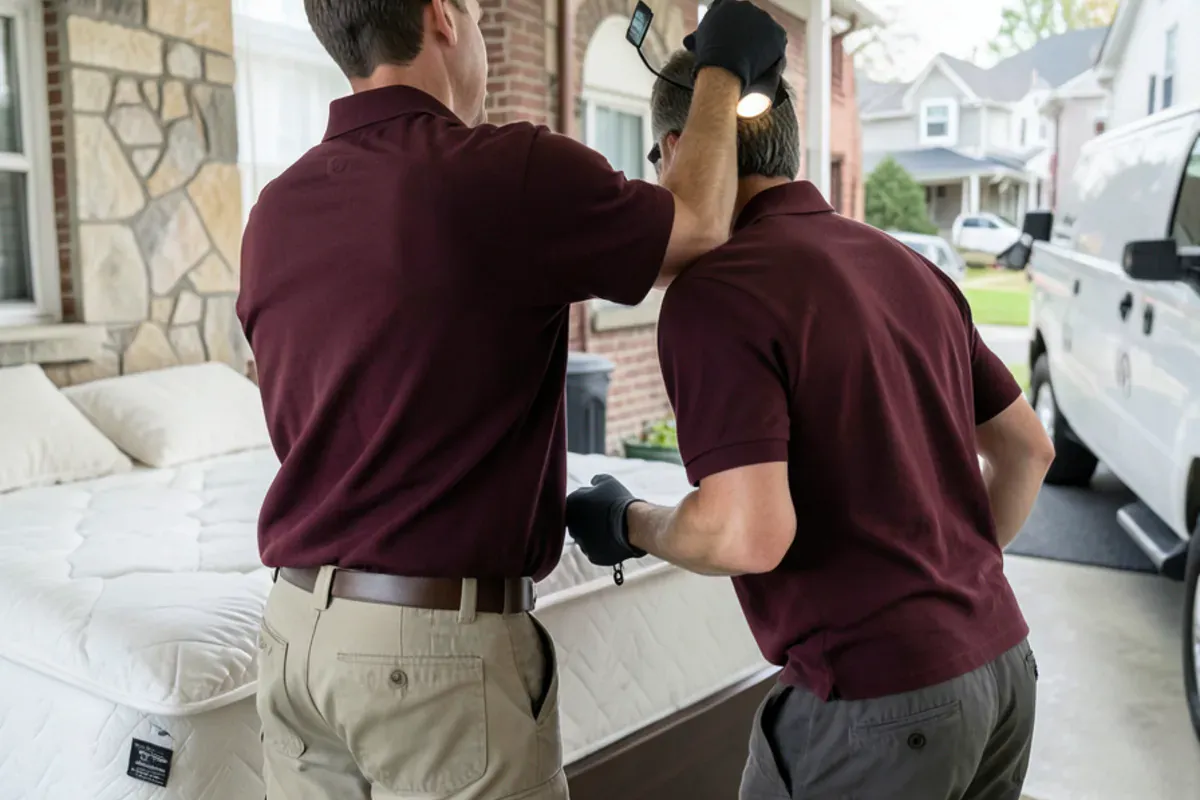
When we inspect, the method question often answers itself once we see the room. A tidy single-family bedroom with an early infestation suits a fast approach; a bedroom in a walk-up apartment above a State Street shop, sharing walls with two other units, needs something that keeps working after we leave.
We also look at belongings. Electronics, vinyl blinds, candles, medications and musical instruments all raise questions for heat, while a home full of infants' items or allergies may shape how products are chosen and placed. Those details matter more than any general rule.
The household's schedule plays a part too. Heat is a long day of setup and monitoring, and it asks a household to clear heat-sensitive items and leave for most of the day; a chemical program asks for less on any single day but more patience across several weeks. When someone tells us they cannot be out of the house for a full day, or cannot face a month of follow-ups, that honest answer often decides the plan.
Quick answers
Will bed bugs come back after a heat treatment?
They can if they are reintroduced. Heat leaves no residue, so bugs arriving from a neighboring unit, a car or a returning suitcase can start a new infestation. That is why some plans add a targeted residual treatment and encasements afterward, and why apartments in shared buildings often benefit from inspecting adjacent units at the same time.
Can I stay home during a chemical bed bug treatment?
Plan to be out while the technician works and until treated surfaces have dried, typically a few hours. People and pets return once the technician says it is time, following the product label. You will receive written prep and re-entry instructions after the inspection, including what to do with bedding, clothing and pet bowls before the first visit.
Why do some bed bugs show up after the first chemical visit?
Usually because eggs that were protected during the first visit have hatched. Seeing a few young bugs in the week or two afterward is common and is the reason follow-up visits are scheduled. Report sightings and where you saw them; the next visit focuses on those spots. Steady or growing numbers after the second visit call for a fresh inspection.
The bottom line
Heat is fast but leaves no residual, chemical treatment is slower but keeps working, and many homes do well with a mix of both. Let the inspection, your building and your belongings drive the choice. When you would like a straight answer for your own home, we are happy to take a look.
Sources
Written by the No Bugs Exterminator team
A small, family-run pest control business in Media, PA, led by owner Thom. We write about what we see on inspections in Delaware County and southeastern Pennsylvania. About us.
Services mentioned in this guide
Want a professional opinion?
Book a free inspection and get a written quote before any treatment.
- ★ 4.8 from 21 Google reviews
- Open 7 days, 8 a.m. to 7 p.m.
- Free inspection before treatment
- Family-run, based in Media, PA
Open 7 days, 8 a.m. to 7 p.m.