
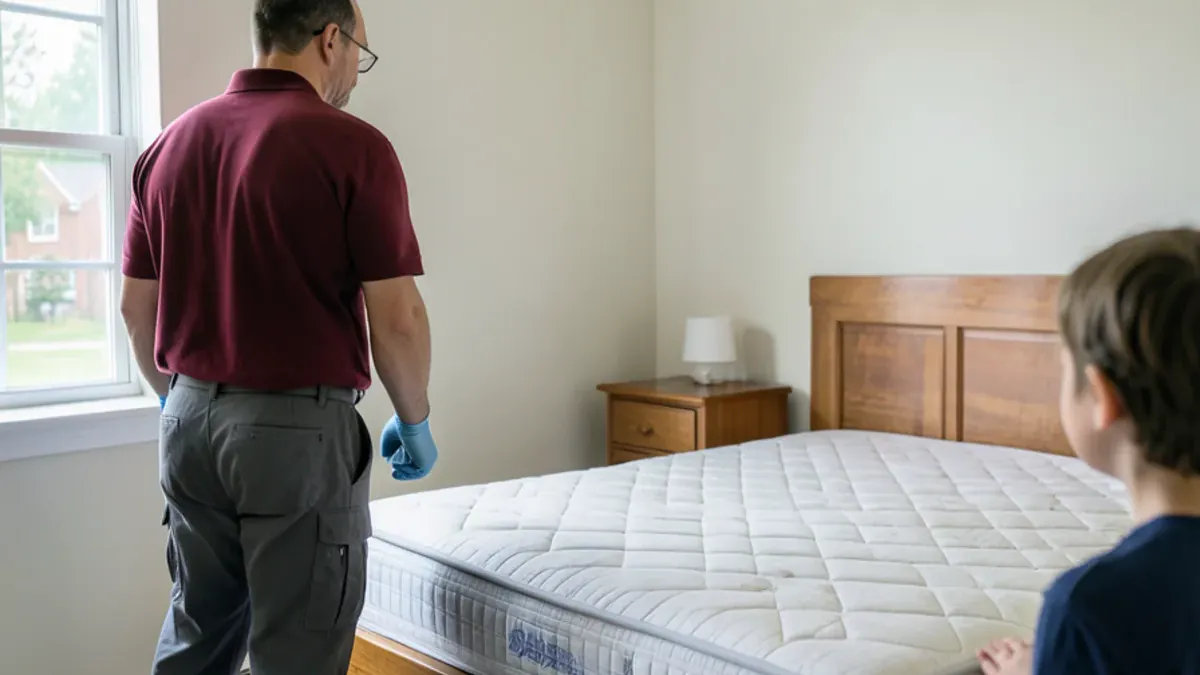
Learning how to prepare for bed bug treatment is the single most useful thing you can do to help it work. The goal of prep is not to make the house spotless but to open up hiding places and keep bugs from riding out of the treated rooms on your belongings.
Why does bed bug treatment prep matter so much?
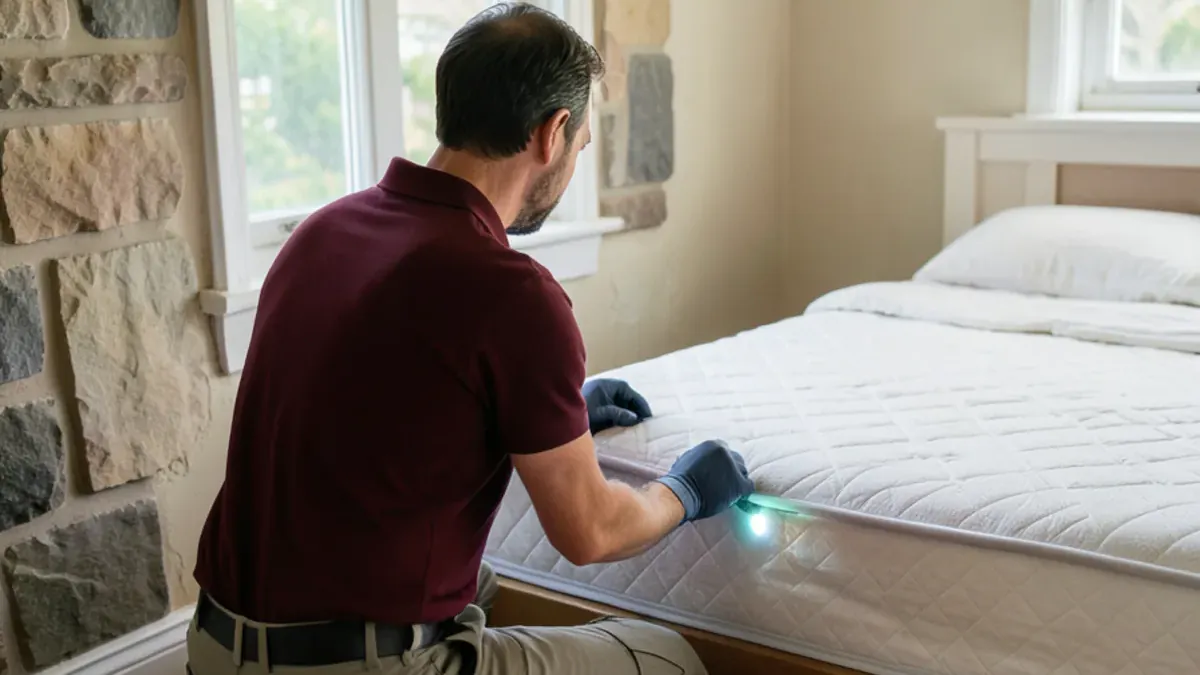
Bed bugs hide in seams, cracks, clutter and fabric, and the technician can only treat what they can reach.
A treatment that misses a pocket of bugs in a pile of clothes on the closet floor or in a stack of boxes under the bed leaves survivors, and survivors restart the infestation. Good prep shrinks the number of hiding places, gives the technician clear access to baseboards, furniture joints and mattress seams, and makes follow-up visits more effective.
Prep also protects the rest of your home. The biggest mistake people make is carrying items out of an infested bedroom into the living room or a relative's house before treatment. That spreads bed bugs to new places and turns a one-room job into a whole-house job.
How to prepare for bed bug treatment, week by week
Your provider will give you instructions specific to your home and the method used, and those always come first. This general timeline shows how the work usually breaks down:
| When | What to do |
|---|---|
| As soon as bed bugs are confirmed | Stop moving items between rooms. Keep sleeping in your own bed so the bugs stay concentrated where treatment will focus. |
| Several days before | Start laundering bedding, clothing and fabrics from affected rooms. Bag clean items in sealed clear plastic bags and keep them in the treated room or a hard-floored area. |
| Two to three days before | Declutter floors, closets and under beds. Empty nightstands and dressers if asked. Pull furniture a little away from the walls. |
| The day before | Vacuum floors, mattress seams and furniture, then seal the vacuum bag and throw it out in an outdoor bin. Arrange care for pets. |
| Treatment day | Leave the home with people and pets for the time the technician specifies. Take medications and essentials with you, checked and bagged. |
| After treatment | Stay out until told it is safe to return. Do not clean treated areas or steam baseboards unless advised, and keep following the plan. |
Laundry and bed bugs: getting fabrics right
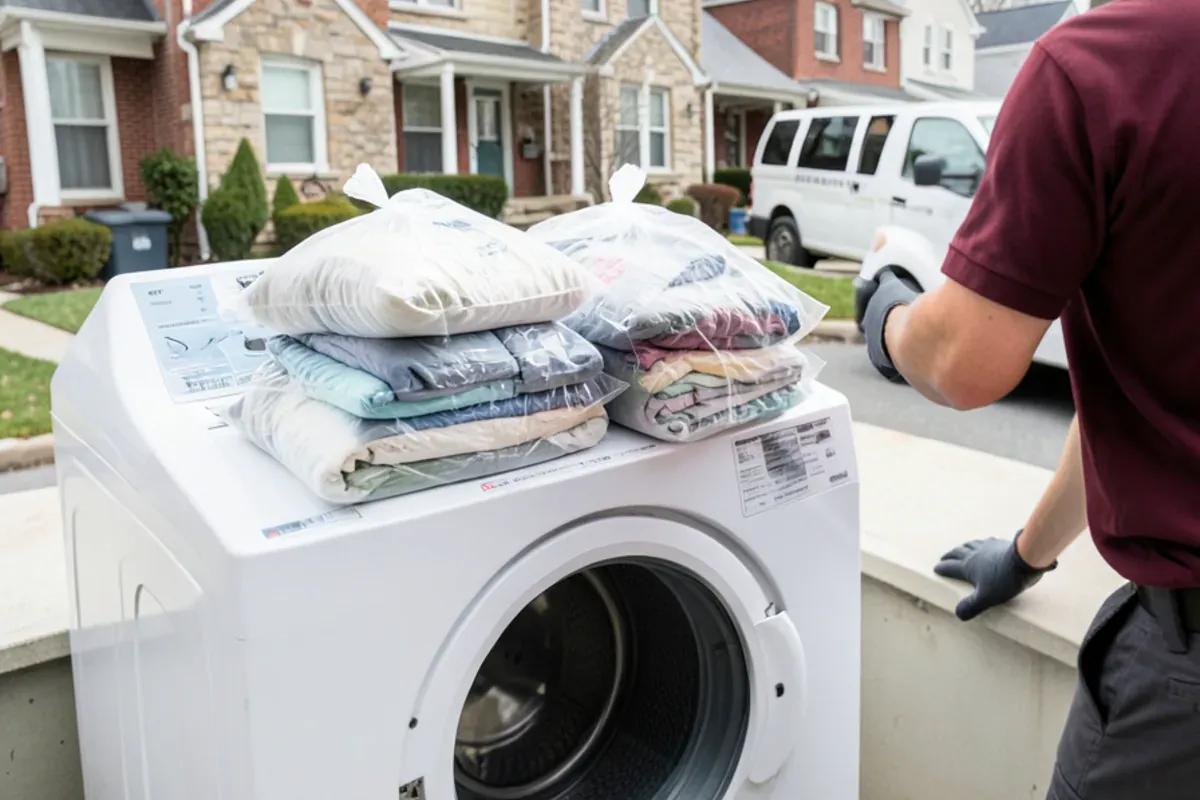
Heat kills bed bugs at every life stage, which is why the clothes dryer is your most useful tool. Wash items in hot water if the fabric allows, then dry them on the highest safe heat setting for at least 30 minutes. Delicate items that cannot be washed can often go straight into the dryer on high heat.
Carry dirty laundry to the machine in sealed plastic bags, not open baskets, and put the empty bag in an outdoor trash can. Once dried, move items into new clean bags and seal them. Keep them sealed until the follow-up visit confirms results, living out of those bags if necessary. In an apartment building with a shared laundry room, use the bags both ways and do not sort clothing on the folding tables.
Furniture, clutter and the mattress
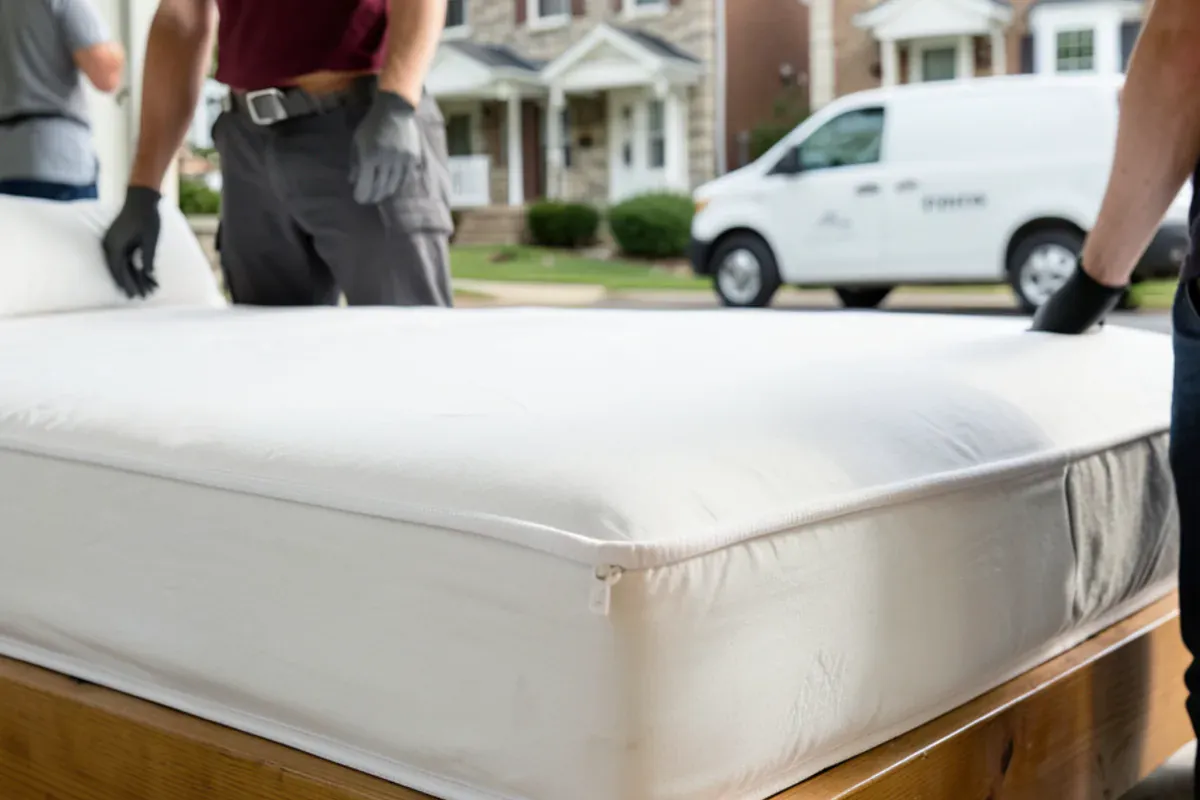
Do not throw away your mattress or furniture unless the technician recommends it. Most can be treated, and dragging an infested mattress through the house and onto the curb spreads bugs along the way. If something must go, wrap it in plastic first and mark it so no one picks it up.
Clutter on floors and under beds gives bed bugs hiding places that are hard to treat. Sort through it, bag and launder fabrics, and put books, papers and small items in sealed bags or plastic bins. Leave furniture in the room so it can be inspected and treated. After treatment, quality bed bug encasements on the mattress and box spring trap any bugs left inside and make future checks easier.
If heat is part of your plan
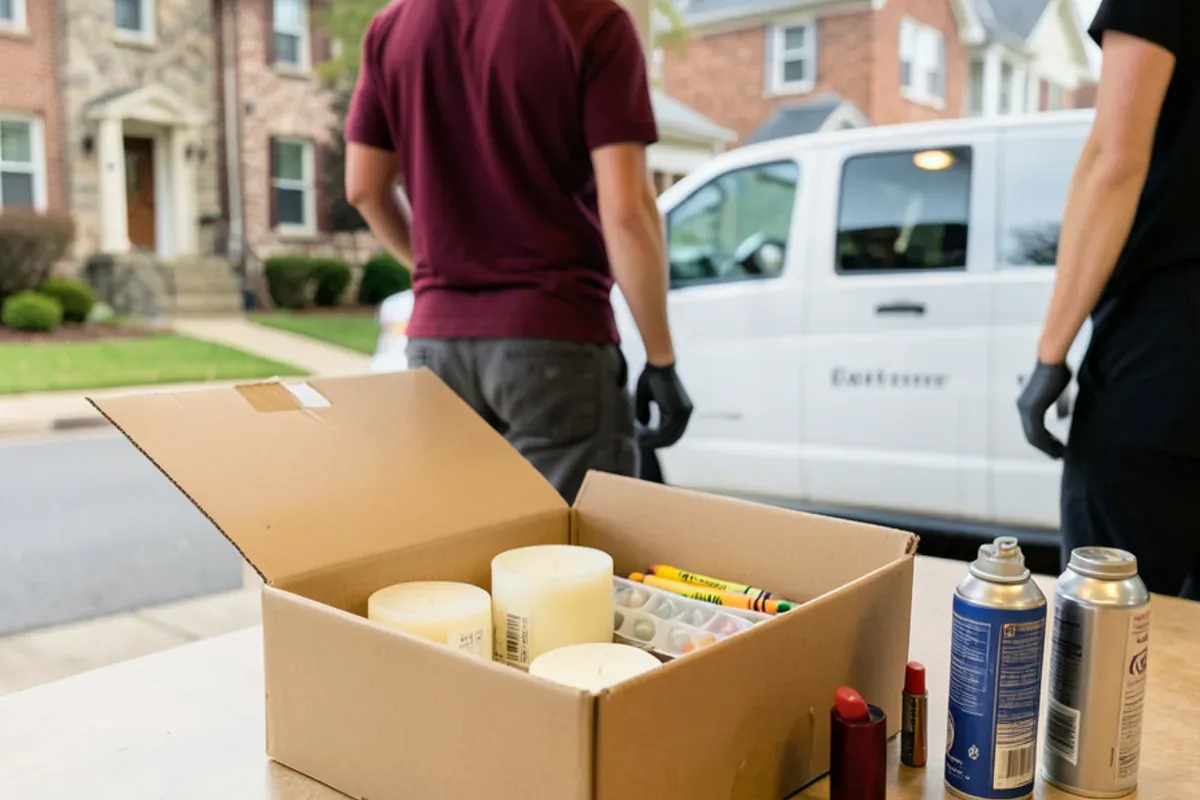
Whole-room heat and targeted products have different prep needs. For a heat-based plan, some items can be damaged by high temperatures or are unsafe in a heated room and must be removed. Ask us whether bed bug heat treatment fits your home before planning around it, and follow the specific list you are given. Common items to take out include:
- Medications, vitamins and cosmetics
- Aerosol cans, lighters and anything flammable or pressurized
- Candles, crayons, lipstick and other items that melt
- Houseplants, fresh food and wine
- Electronics with batteries, vinyl records and some musical instruments
- Photographs and artwork that could warp
What changes for bed bug prep in an apartment?
Apartments and attached homes add one more step: the neighbors. Bed bugs travel through wall voids and along pipes, so building managers often arrange inspection of the units on either side, above and below. Cooperate with the schedule, and tell the manager right away if the unit next door has had problems.
Pets also need a plan. Cats and dogs should be out of the home on treatment day, fish tanks covered and the air pump turned off, and birds or reptiles relocated. Our chemical bed bug treatment instructions include pet and re-entry guidance for each visit.
Prep problems we run into on bed bug jobs
When we arrive for bed bug treatment, the most common prep issue is not too little cleaning but too much moving. Families understandably carry pillows, blankets and clothes into another bedroom or onto the couch to escape bites, and that is how a second room becomes infested.
Prep is genuinely hard for some households: an older resident who cannot lift boxes, a family of six sharing two bedrooms, or a tenant working double shifts. We would much rather hear that before treatment day than find a half-prepped room. The honest trade-off is that treating a cluttered room on schedule usually means more follow-up and a slower result, while waiting a week to finish prep lets the bugs keep feeding. When time is short, we ask people to prioritize the bed, the nightstand and the floor within a few feet of them, because that is where most of the bugs are.
In older apartments and twins around Media, we also see stacked boxes in closets and under beds that never got opened after a move. Those boxes are ideal harborage. Bagging their contents or moving them into sealed plastic bins makes a real difference in how well the first treatment works. More detail on our process is on our bed bug treatment page.
Quick answers
Can I sleep in my bed before bed bug treatment?
Usually yes, and it is often recommended. If you move to the couch or another bedroom, bed bugs follow you and spread into new furniture. Staying put keeps them concentrated in the room that will be treated. Keep the bed pulled a few inches from the wall and make sure bedding does not touch the floor. Follow any different instructions your technician gives for your home.
Do I need to wash every piece of clothing in the house?
Not always. Focus on fabrics in and near the affected rooms, such as bedding, clothing, curtains and items stored under beds. Clothing in dresser drawers and closets in those rooms usually needs to be laundered and bagged. Rooms with no signs of activity may need less prep. During the free inspection we identify which rooms are involved, which keeps laundry to what actually matters.
What should I do with stuffed animals and kids' toys before treatment?
Run fabric toys, stuffed animals and backpacks through a hot dryer for at least 30 minutes, then seal them in clean plastic bags until the follow-up visit. Hard plastic toys can be wiped down and bagged. Items that cannot take dryer heat can go in a freezer at 0°F for about four days. In shared Media-area twins and apartments, keep the bagged toys in the treated room rather than carrying them next door.
How long after bed bug treatment can we go back inside?
Follow the time your technician gives, because it depends on the method and the product label. For liquid applications, people and pets usually stay out until treated surfaces are fully dry, which often means a few hours. After a heat-based treatment, rooms need time to cool down. When you come back, leave baseboards and treated furniture alone, keep laundry sealed and sleep in your own bed so remaining bugs contact the treatment.
The bottom line
Good prep is half the battle with bed bugs: launder and bag fabrics, clear clutter, keep items in the room, and follow the instructions for your treatment method. If you have bed bugs or think you might, Thom and his team specialize in bed bug work across Media and Delaware County. Call (209) 563-1650 to schedule a free inspection.
Sources
Written by the No Bugs Exterminator team
A small, family-run pest control business in Media, PA, led by owner Thom. We write about what we see on inspections in Delaware County and southeastern Pennsylvania. About us.
Services mentioned in this guide
Want a professional opinion?
Book a free inspection and get a written quote before any treatment.
- ★ 4.8 from 21 Google reviews
- Open 7 days, 8 a.m. to 7 p.m.
- Free inspection before treatment
- Family-run, based in Media, PA
Open 7 days, 8 a.m. to 7 p.m.