
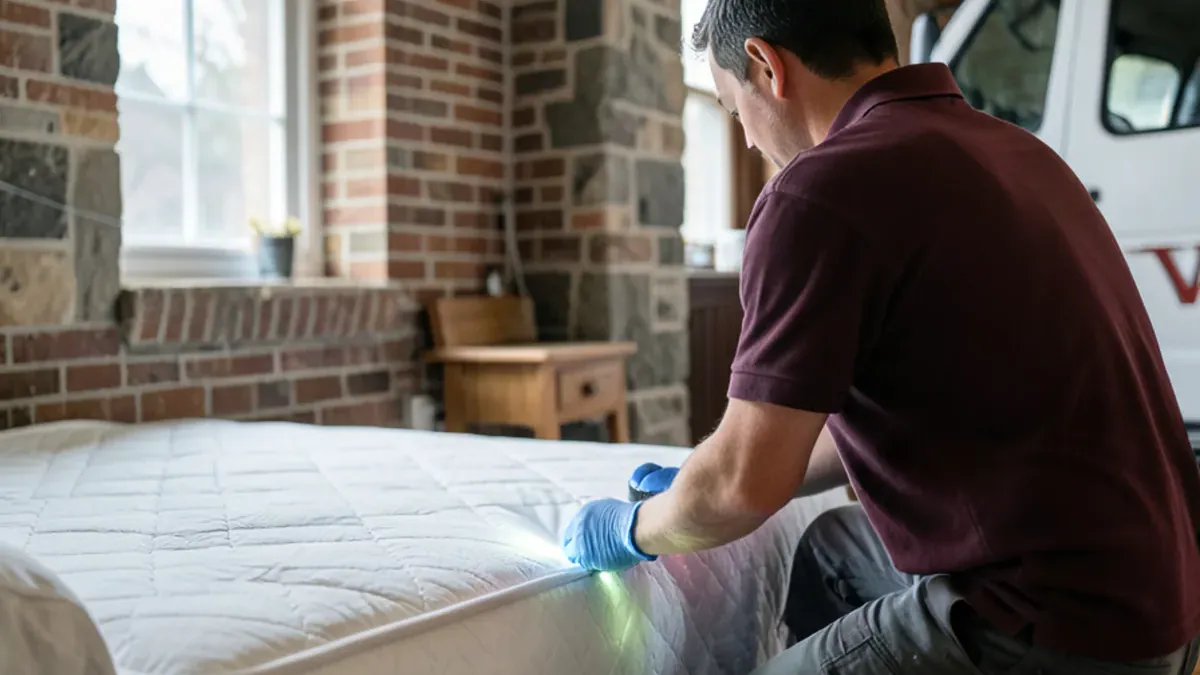
The surest way to know how to tell if you have bed bugs is to find physical evidence, not just bites: tiny dark stains on mattress seams, pale shed skins, pinhead-sized white eggs or the bugs themselves. A careful search of the bed and the furniture within a few feet of it will answer the question in most homes.
How to tell if you have bed bugs: signs you can actually see
Bites can point you in the right direction, but plenty of people never react to them and other insects leave similar marks. The physical evidence is what settles it.
Bed bugs hide by day in tight seams and cracks close to where people sleep, and they leave a trail of evidence there. Look for these signs, roughly in the order you are likely to find them:
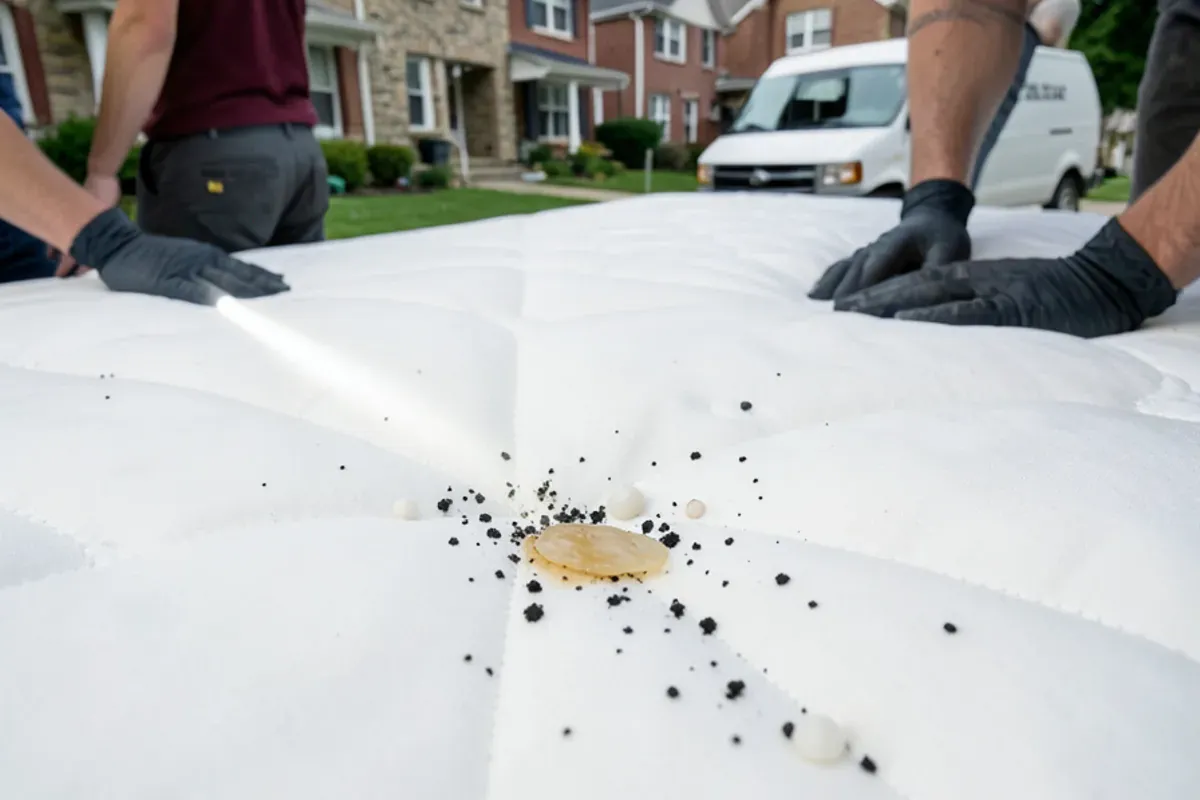
- Dark spots the size of a pen tip on mattress seams, box spring edges or sheets; they are digested blood and smear like marker ink if you wipe them with a damp cloth
- Shed skins, which look like hollow, pale amber copies of the bug
- Eggs and empty eggshells, pearly white and about the size of a pinhead, glued into seams and crevices
- Live bugs: grown ones are oval, flattened and rusty brown, roughly apple-seed sized; nymphs are tinier and nearly see-through until they have fed
- Small rust-colored blood spots on sheets or pillowcases
- In heavy infestations, a sweetish, musty odor around the bed
Do bed bug bites prove you have them?
No. Bites are the reason most people start looking, but they are a poor way to confirm an infestation. Some people develop itchy welts, sometimes in lines or small clusters on skin exposed during sleep, while others in the same bed never react at all. Mosquitoes, fleas, mites and even skin conditions can produce marks that look similar.
Treat bites as a reason to search, not as proof. If you have a severe reaction, seek medical care, and keep a note of the date and which part of the body was bitten, which can help when matching them to evidence later.
How to check for bed bugs, one area at a time
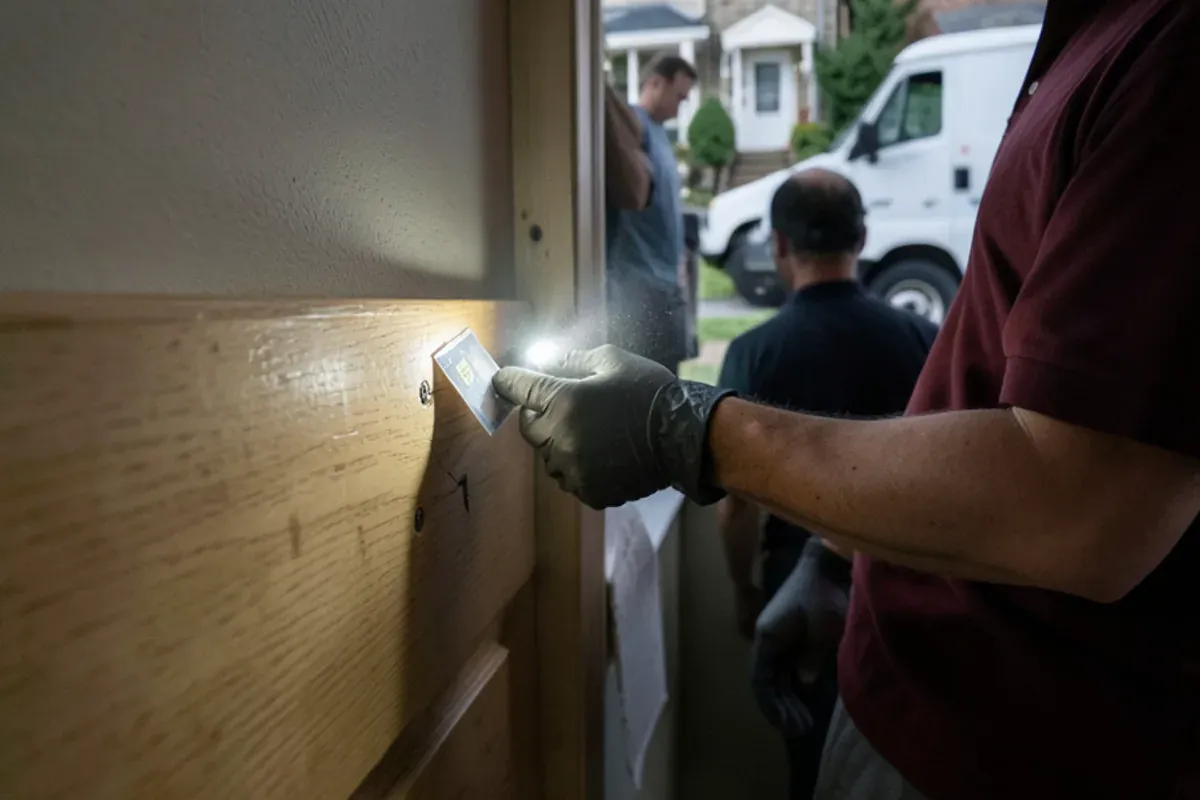
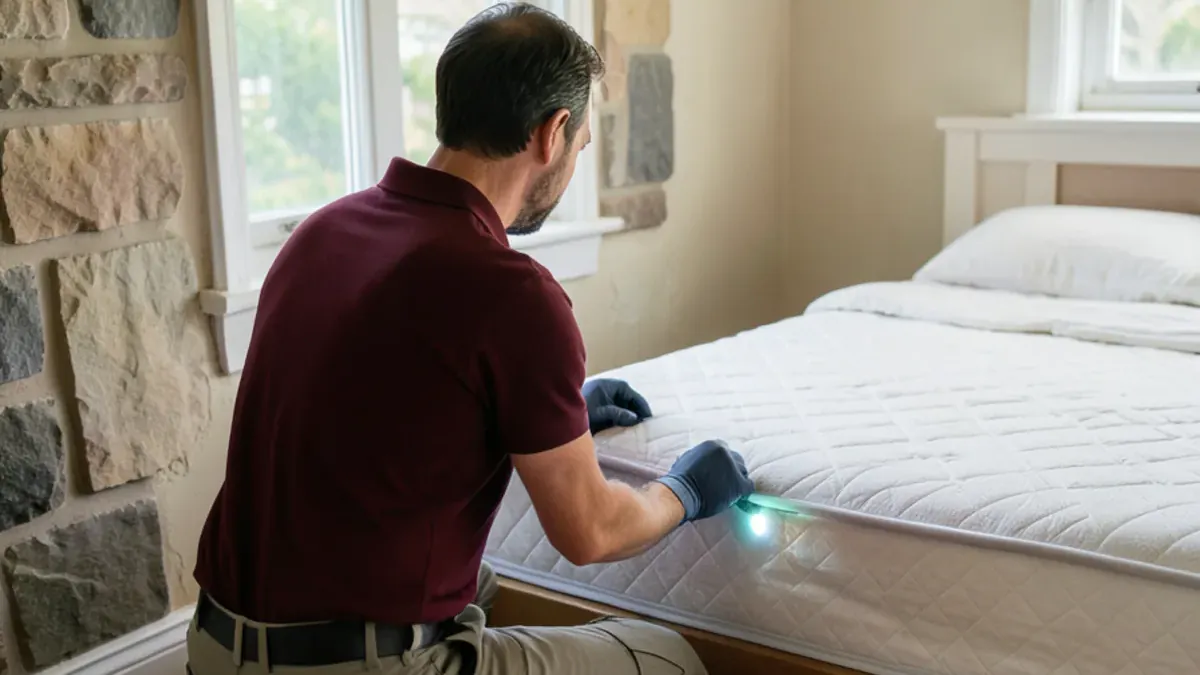
You need a bright flashlight, a plastic card or butter knife to slide into seams, and about 30 minutes. Work slowly and in this order:
Strip the bed
Remove the sheets and check them for spots, then look along every seam, piping and tag of the mattress, especially at the head end.
Lift the mattress
Inspect the box spring's edges and the fabric underneath, and peel back the corner where the dust cover is stapled.
Check the bed frame and headboard
Joints, screw holes and the back of a headboard attached to the wall are favorite hiding spots.
Move outward
Look at nightstands, drawer joints, the edges of upholstered chairs and couch cushions, and the seams of any luggage stored nearby.
Finish at the walls
Check baseboards near the bed, the back of picture frames, outlet covers and the edge of carpet along the wall.
Bed bugs or fleas? Other common look-alikes
Several insects get mistaken for bed bugs. The table below compares the ones we see most often:
| Insect | Where you find it | How it moves | Key difference |
|---|---|---|---|
| Bed bug | Mattress seams, bed frames, nearby furniture | Crawls, cannot jump or fly | Flat, oval, reddish brown; leaves ink-like spots |
| Flea | Pet bedding, carpets, lower legs | Jumps quickly | Narrow side to side; usually tied to a pet |
| Bat bug | Near attics, chimneys or walls where bats roost | Crawls | Nearly identical to bed bugs; needs a close look and bat exclusion |
| Carpet beetle larva | Closets, rugs, under furniture | Crawls slowly | Fuzzy, striped and elongated, not flat |
| Spider beetle or booklouse | Pantries, damp basements, books | Crawls | Round or tiny and pale; does not bite people |
When should you book a professional bed bug inspection?
Call for an inspection if you find any of the signs above, if bites keep appearing after you have changed and washed bedding, or if you live in a building where neighbors have reported bed bugs. Early cases are much easier to treat, because the bugs have not yet spread into walls or other rooms.
A trained inspector checks the same areas listed here but also knows the less obvious spots, such as couch frames, curtain hems and electrical cover plates. Our bed bug inspection is the first step, and if the bugs are confirmed, we explain the bed bug treatment options before any work is scheduled. Bed bugs are one of the specialties we focus on.
What not to do while you wait
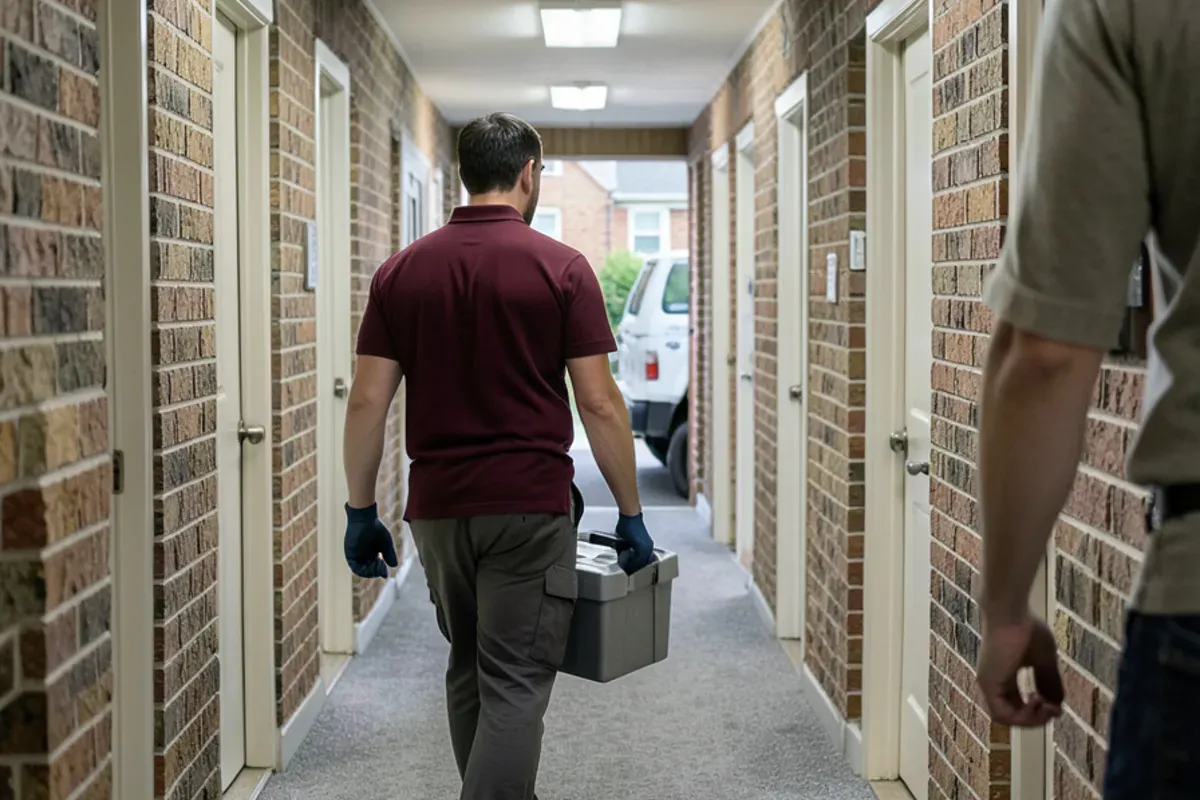
Avoid moving to the couch or a spare room; bed bugs follow people and will spread to the new spot. Skip foggers and store-bought sprays, which scatter bed bugs into walls. Hold off on throwing out the mattress; it can often be treated, and hauling it through hallways and stairwells scatters eggs along the way.
What does help: dry bedding and clothing on high heat, seal laundered items in clean plastic bags, and reduce clutter around the bed so the inspection and any treatment can reach every surface.
Bed bug calls from Drexel Hill twins and apartments
Drexel Hill mixes brick twins with large apartment communities such as Drexelbrook, and Census (ACS) estimates put its renter-occupied share at about 37 percent with a median build year of 1949. In buildings like these, when we confirm bed bugs in one unit, we recommend checking the units on each side and above or below, because the bugs move through shared walls and along pipe runs.
In single-family twins, the most common early finding is a handful of bugs and stains along the head end of the mattress and behind the headboard, often only a few weeks after travel or a secondhand furniture purchase. We serve all of Drexel Hill and can usually find an inspection slot that fits your week, weekends included.
Not every inspection ends with a yes. In a very early case, a first look can turn up nothing more than a single questionable spot, and the honest answer then is "not confirmed" rather than a treatment based on suspicion. In that situation we suggest interceptor cups under the bed legs and a recheck a week or two later, which costs a little patience but avoids treating a home that may not need it.
Quick answers
Can you see bed bugs with the naked eye?
Yes. A grown bed bug is close to a quarter inch long and visible without magnification once you know where to look. Young nymphs and eggs are much smaller and pale, so a flashlight and a magnifying glass help. Most people find stains and shed skins before they find a live bug, especially along the head end of the mattress.
Can I have bed bugs if only one person in the house is getting bitten?
Yes. Reactions vary widely, and two people sharing a bed can have completely different responses: one with obvious welts and one with nothing. Bed bugs also tend to feed on whoever is easiest to reach. Base your decision on physical signs in the bed, not on who is or is not reacting.
Do interceptor cups under the bed legs help confirm bed bugs?
Yes, they are one of the simplest tools for a low-level case. The cups sit under each bed leg and catch bugs climbing up to feed or walking back down, since bed bugs cannot climb the smooth inner wall. Pull the bed a few inches from the wall and keep bedding off the floor so the legs are the only route. Check the cups every few days.
The bottom line
Stains, shed skins, eggs and live bugs tell you far more than bites do, and a careful search usually settles the question. If you find anything suspicious, or simply want a trained second look, call (209) 563-1650 to arrange an inspection.
Sources
Written by the No Bugs Exterminator team
A small, family-run pest control business in Media, PA, led by owner Thom. We write about what we see on inspections in Delaware County and southeastern Pennsylvania. About us.
Services mentioned in this guide

Want a professional opinion?
Book a free inspection and get a written quote before any treatment.
- ★ 4.8 from 21 Google reviews
- Open 7 days, 8 a.m. to 7 p.m.
- Free inspection before treatment
- Family-run, based in Media, PA
Open 7 days, 8 a.m. to 7 p.m.