
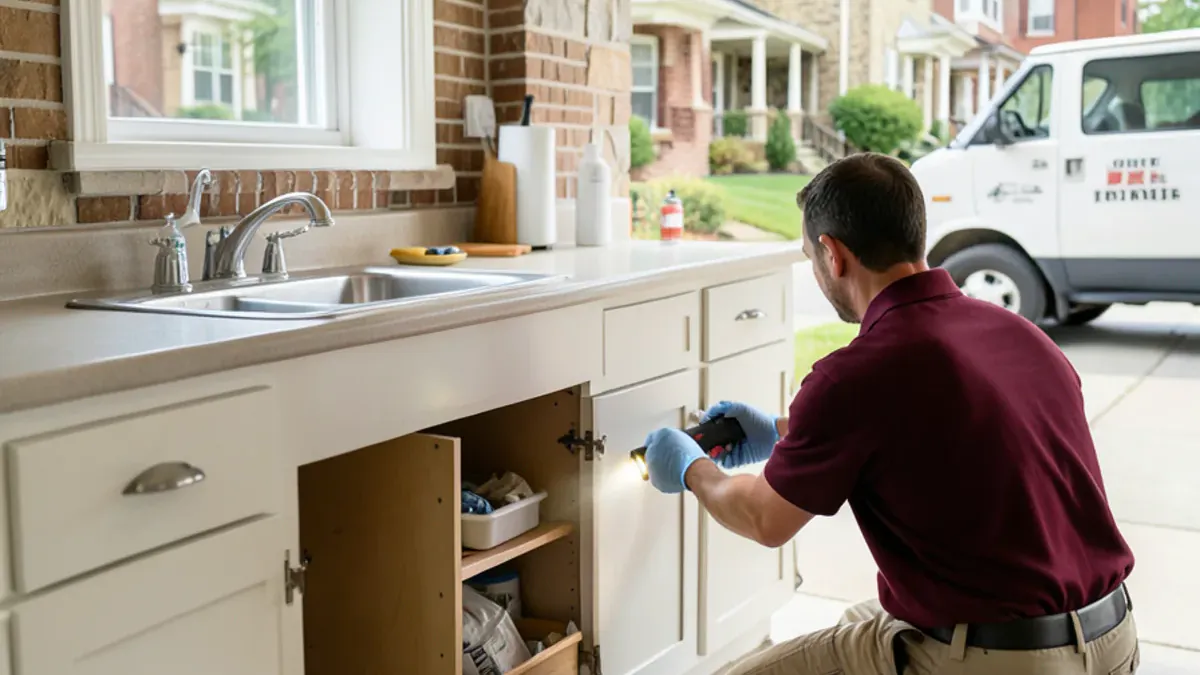
Pest control and health are tied together more closely than most people realize, because the biggest risks rarely come from a bite or sting. They come from what pests leave behind: cockroach allergens in kitchen dust, mouse urine along cabinet edges, and ticks carried in from the yard.
Which household pests carry real health risks?
Here is how each of those risks works, and which steps actually lower them in a Delaware County home.
Not every bug in the house is a health problem. A cellar spider in the basement corner or a few ladybugs on a sunny window are a nuisance and little more. The pests worth taking seriously are the ones that live alongside people, feed on our food or blood, and contaminate surfaces we touch every day.
The table below sorts the common Pennsylvania offenders by the kind of risk they pose and the control step that does the most good. It is general information drawn from public health agencies, not a diagnosis, and anyone with symptoms should talk to a doctor.
| Pest | Main health concern | What lowers the risk most |
|---|---|---|
| German and American cockroaches | Allergens in droppings, saliva and shed skins that can trigger allergies and asthma | Removing food, water and harborage, then targeted baiting |
| House mice and Norway rats | Droppings and urine that can spread bacteria such as salmonella; rodent-borne diseases | Sealing entry gaps, trapping, and careful cleanup of droppings |
| Blacklegged (deer) ticks | Lyme disease and other tick-borne illness | Yard edge management, tick checks, and targeted yard treatment |
| Mosquitoes | West Nile virus and other mosquito-borne illness | Dumping standing water and treating resting areas |
| Flies | Carrying bacteria from garbage and waste onto food | Tight trash lids, drain cleaning, and screens |
| Stinging insects | Serious allergic reactions in sensitive people | Removing nests near doors, play areas and decks |
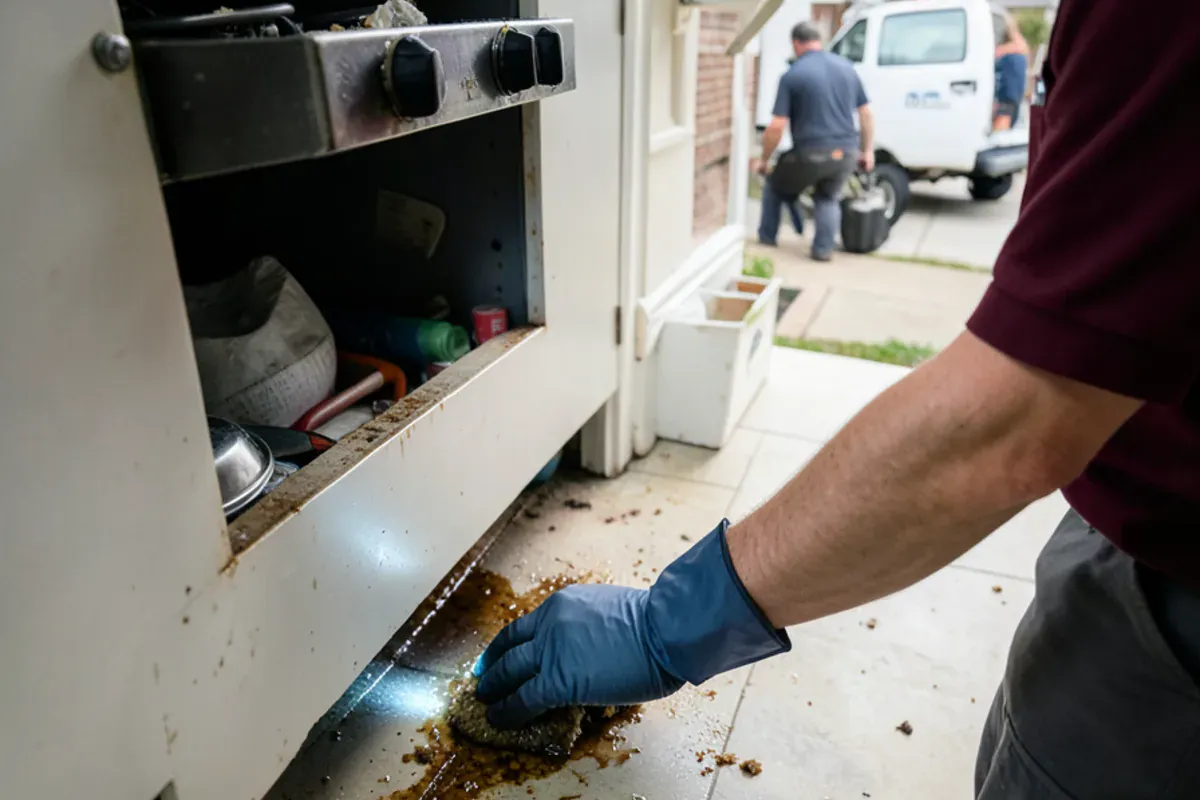
Cockroach allergies and asthma: why the dust matters
Cockroach allergens are proteins found in roach droppings, body parts and saliva. They settle into dust and stay active long after the insects die, which is why an infested kitchen can keep bothering someone with allergies even after the visible roaches are gone. Public health research has linked cockroach exposure to asthma, especially in children living in dense housing.
That matters here because so much of eastern Delaware County is older twin and rowhome housing with shared walls. Census (ACS) estimates put the median year built in Upper Darby at 1948 and in Lansdowne at 1943, and German cockroaches move easily between attached units. Treating one kitchen while the neighbor's stays infested only buys time.
Effective work pairs gel baits and growth regulators placed where roaches hide with a thorough cleanup of grease, crumbs and droppings. Spraying a can of fogger over everything tends to scatter roaches deeper into walls and leaves residue on counters without touching the allergen load.
Rodent disease risks and the cleanup most people get wrong
Mice and rats foul everything they cross. A single mouse leaves dozens of droppings a day, and urine trails mark its regular routes along walls and inside cabinets. Rodents can spread bacteria to food-prep surfaces, and the CDC lists several rodent-borne diseases that people can catch from contact with droppings, urine or nesting material.
The most common mistake is sweeping or vacuuming dry droppings. That can push contaminated particles into the air you breathe. Public health guidance is to ventilate the space, wear gloves, wet the droppings with a disinfectant or bleach solution, wipe them up with paper towels, and bag the waste.
Cleanup alone does not end the problem, though. Our mouse and rat control work starts by finding how they are getting in, because a home with open gaps will keep refilling no matter how many traps are set.
How does tick-borne illness reach a suburban yard?
Pennsylvania reports some of the highest Lyme disease case counts in the country, according to CDC data. The blacklegged tick, often called the deer tick, carries the bacteria, and it thrives in the leaf litter and brushy edges where lawns meet woods.
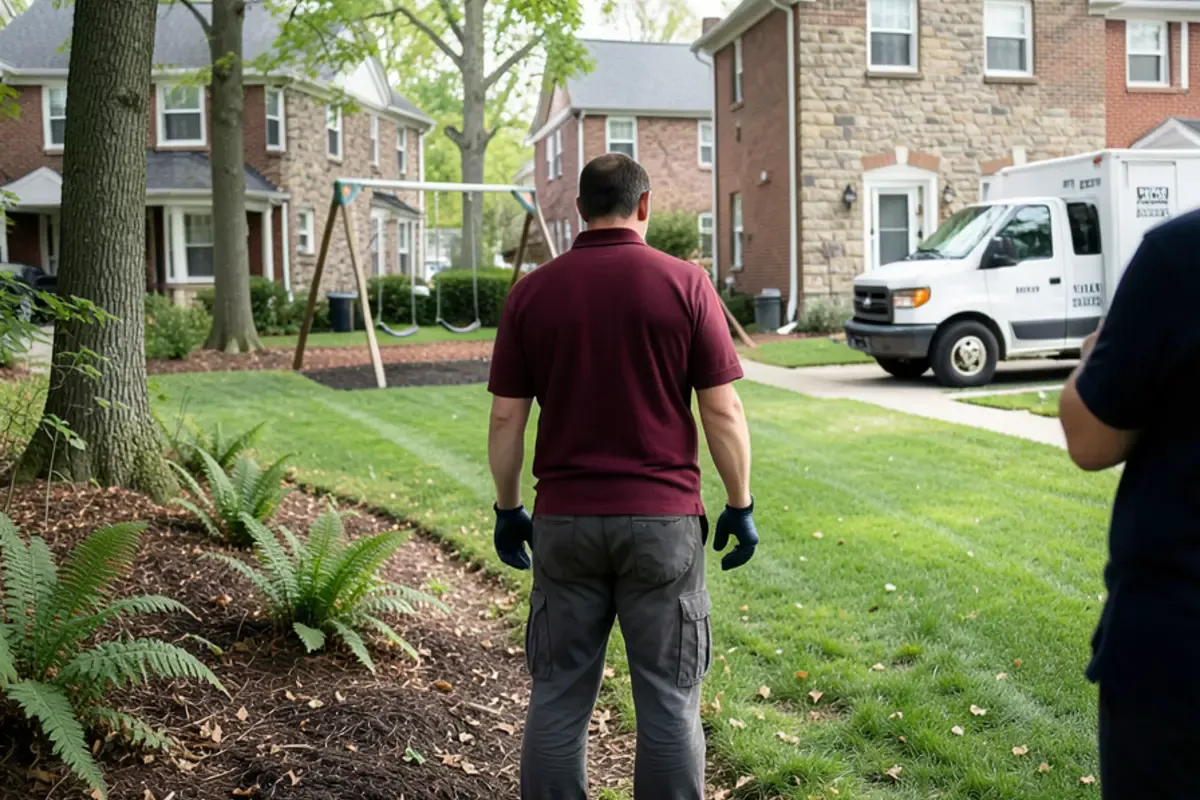
Plenty of Delaware County homes back onto exactly that habitat. Wooded lots near Ridley Creek State Park and along the Crum Creek corridor put deer, mice and ticks within a few steps of swing sets and garden beds. Dogs and cats pick up ticks there and carry them indoors.
Lowering tick numbers means keeping grass short, moving play equipment away from wooded edges, clearing leaf piles, and treating the shaded border zones where ticks wait. Daily tick checks after time outdoors are still the most important habit for every person and pet in the house.
Pest control and health at home: habits that protect your household
Most of the health benefit of pest control comes from steady prevention rather than one big treatment. These habits make a home far less attractive to the pests listed above:
- Store pantry food and pet food in sealed hard containers, and do not leave pet bowls full overnight.
- Fix dripping faucets and leaky drain lines; cockroaches can survive longer without food than without water.
- Seal gaps around pipes, cables and dryer vents with steel wool, copper mesh or sealant; mice fit through holes about the size of a dime.
- Empty anything that holds water outdoors at least once a week to break the mosquito breeding cycle.
- Keep firewood, mulch and leaf piles away from the foundation.
- Use lidded trash cans indoors and out, and rinse recycling before it sits in the garage.

Patterns we notice inside Delaware County homes
When we inspect homes where someone has unexplained allergy flare-ups, roach activity is often hidden in places nobody looks: behind the refrigerator kick plate, inside the hinge side of upper cabinets, and in the motor housing of small appliances. The household usually sees one or two roaches a week and assumes the problem is small.
With mice, the giveaway is often in the basement or utility room rather than the kitchen. We find droppings along the sill plate and next to the water heater, where pipes and wires enter through gaps that were never sealed. Closing those gaps is usually the step that finally stops the cycle.
The honest trade-off with allergy-driven calls is timing. Baits can bring a roach population down within a few weeks, but the allergen already settled in dust and behind appliances stays until it is physically cleaned out, so a household may not feel better the day the last roach is gone. We tell families that up front and point them to the spots where a deep clean does the most good.
For homeowners who want ongoing coverage, a quarterly service plan keeps exterior barriers fresh and gives us regular chances to catch new activity early.
Quick answers
Can pest control help with allergies in the home?
It can help when the allergy trigger is cockroaches or rodents. Removing the infestation and cleaning out droppings and shed skins lowers the allergen load in household dust. In the older attached homes common across eastern Delaware County, results last longer when neighboring units are treated too, since roaches move through shared walls. Anyone with ongoing symptoms should still see a doctor to confirm the cause.
Are treatments safe for a household with children or pets?
Modern methods lean heavily on targeted placements such as gel baits in cracks, tamper-resistant bait stations and sealing work, which keep material away from places people and pets touch. Product labels set the rules for where and how anything can be applied. During the free inspection we ask about children, pets and health concerns so the plan accounts for them before any treatment starts.
Should I clean up mouse droppings myself?
You can, as long as you follow public health guidance. Open windows first, put on disposable gloves, and spray the droppings with a disinfectant until they are soaked. Wipe them up with paper towels, seal everything in a bag, and wash your hands well. Never sweep or vacuum dry droppings. For heavy contamination in an attic or crawlspace, ask us about professional cleanup.
The bottom line
Pests affect health mostly through allergens, contamination and disease carriers, and the fixes are practical: remove what feeds them, close how they get in, and treat where they live. If you want a clear picture of what is happening in your home, Thom and his team serve households across Delaware County and start every job with a free inspection. Learn more about our general pest control service or call (209) 563-1650.
Sources
Written by the No Bugs Exterminator team
A small, family-run pest control business in Media, PA, led by owner Thom. We write about what we see on inspections in Delaware County and southeastern Pennsylvania. About us.
Services mentioned in this guide

Want a professional opinion?
Book a free inspection and get a written quote before any treatment.
- ★ 4.8 from 21 Google reviews
- Open 7 days, 8 a.m. to 7 p.m.
- Free inspection before treatment
- Family-run, based in Media, PA
Open 7 days, 8 a.m. to 7 p.m.