
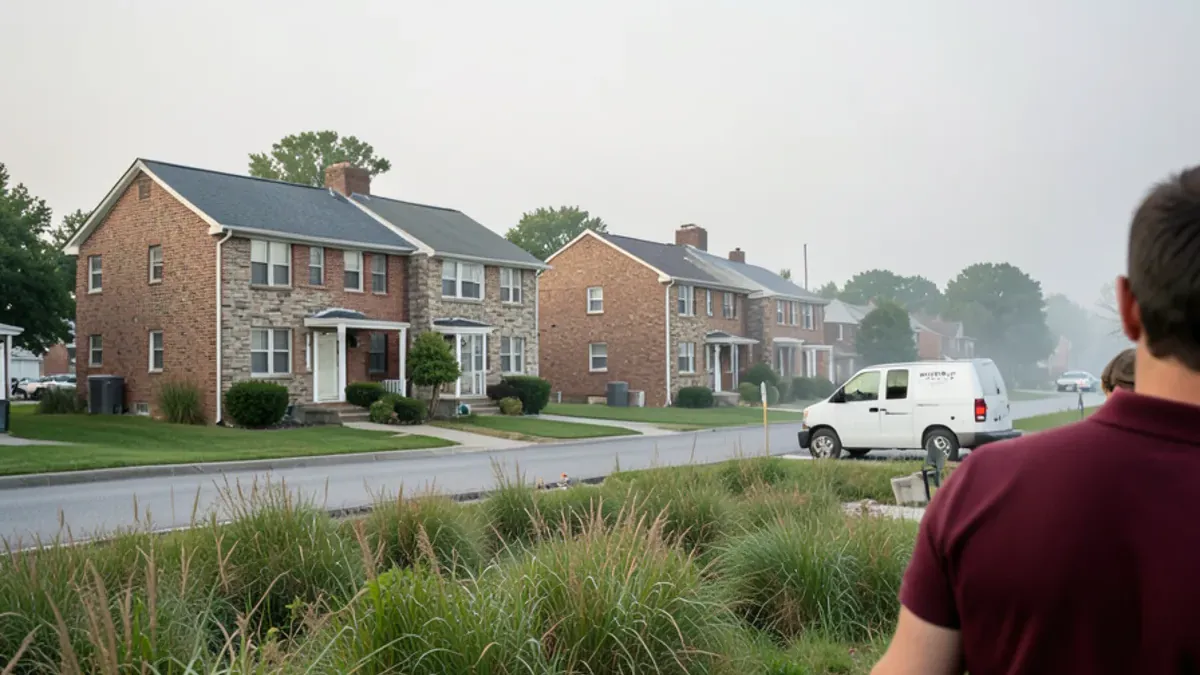
Pest control in Tinicum Township is shaped by three things most of Delaware County does not have in one place: a tidal river, a large freshwater marsh and the freight and travel traffic of Philadelphia International Airport. Here is what drives that pressure and what to watch for.
Why is pest pressure different along the Delaware River?
Water is the short answer. The Delaware River, the lower reach of Darby Creek and the John Heinz National Wildlife Refuge wrap around much of the township, so almost every property sits within a short walk of a shoreline, a ditch or a marsh edge. Rats burrow in banks, mosquitoes breed in shallow standing water, and moisture-loving insects such as millipedes and earwigs do well in the damp soil.
The housing adds to it. Census (ACS) estimates put the median Tinicum home at 1956 and about 34% of homes renter-occupied. Mid-century twins, small singles and apartments share walls, slabs and utility runs, which means a pest that gets into one unit has an easy path to the next.
Homes and businesses in Essington and Lester see more riverfront rodents and more mosquitoes than towns a few miles inland, and the commercial strip brings its own problems.
Riverfront rodents: rats along the water and the freight corridor
Norway rats are the main rodent concern near the river. They dig burrows in soft banks, under slabs and beside foundations, and they travel along shorelines, rail lines and drainage ditches at night. Food from restaurant dumpsters, bird feeders and outdoor pet bowls keeps them close to houses.
Unlike mice, which tend to nest inside walls, rats usually live outside and come in to feed. That changes the approach: sealing gaps around the foundation and controlling the burrows outside matter as much as anything set inside. Our rat control page explains how we inspect and treat, and the wider rodent control section covers mice and exclusion work.
- Burrow openings about 2 to 4 inches across along fences, sheds, slabs and creek banks.
- Smooth, packed runways through grass or along the base of a wall.
- Dark greasy rub marks where rats squeeze past the same corner every night.
- Capsule-shaped droppings about 1/2 to 3/4 inch long near trash, compost or feeders.
- Gnawed corners on doors, garage seals or plastic trash cans.

Heinz refuge mosquitoes and the marsh edge
The Heinz refuge holds one of Pennsylvania's largest remaining areas of freshwater tidal marsh, and the shallow water at its margins produces mosquitoes from late spring into fall. Most of the bites in a backyard, though, come from mosquitoes that breed much closer to home, in clogged gutters, tarps, tires, planters and boats left uncovered.
That is good news, because a property owner can do a lot about the near sources even if the marsh will always be there. Tipping out containers once a week breaks the breeding cycle in summer heat. For yards that border the refuge or a creek, scheduled treatments help, and our mosquito control page describes how that works.
Airport, hotels and freight: the commercial side
The airport and the businesses around it change the township's pest picture. Cargo buildings, warehouses and trucking lots handle a steady flow of boxes and pallets, and German cockroaches, stored product beetles and the occasional rodent ride in with shipments. Airport hotels see travelers from everywhere, which raises the odds of bed bugs arriving in luggage.
Restaurants and food handlers along the river deal with flies and rats drawn by grease and dumpster areas. For these businesses, pest control is about routine: regular inspections, tidy loading docks, lids that close and written records a manager can show an inspector.
Boats, trailers and waterfront storage: a winter rodent magnet
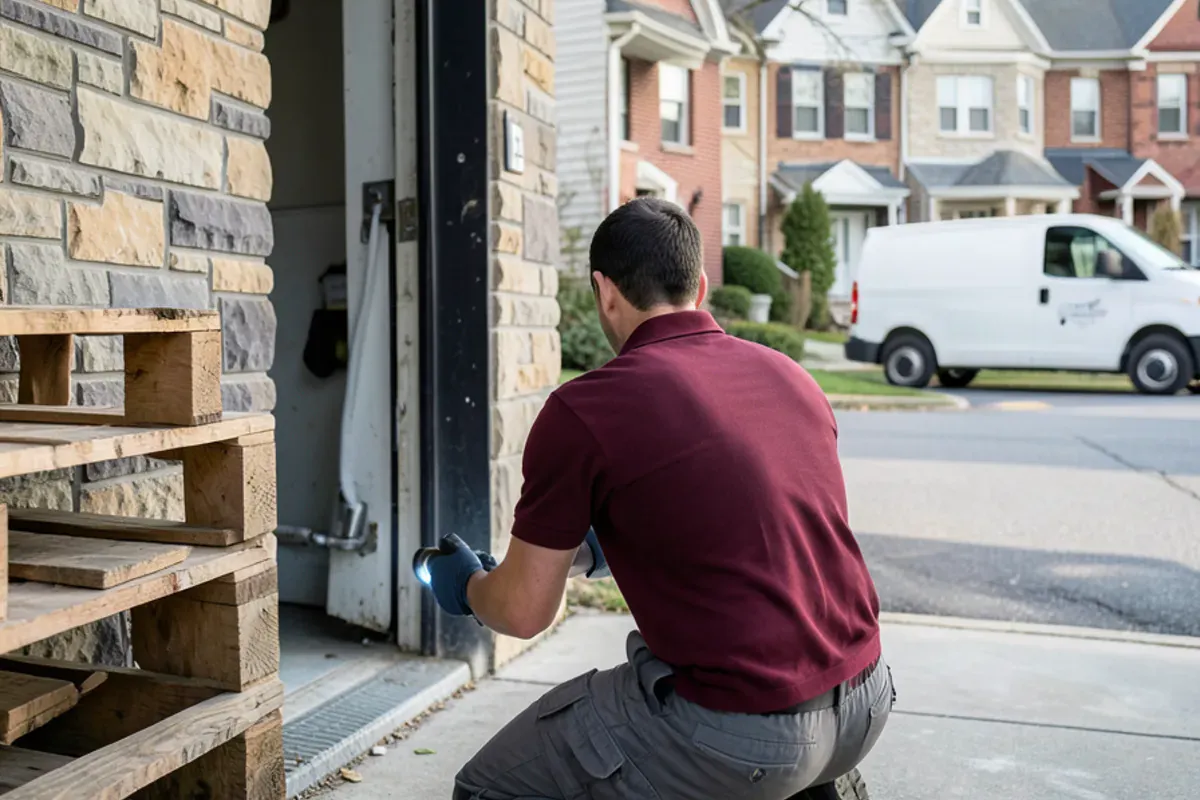
Marinas and boat storage along the Essington waterfront add a pest problem most inland towns never see. When nights cool in October, mice look for the nearest dry, quiet shelter, and a covered boat, a camper or a packed shed beside the river fits perfectly. Inside, they shred cushions and life jackets for nesting, chew wiring and fuel lines, and leave droppings throughout the cabin. A few habits prevent most of it:
- Take cushions, bedding, snacks and fishing bait out of boats and campers before they go into storage.
- Set snap traps inside the cabin or under the cover, and check them when you check the boat.
- Keep grass and weeds cut short around trailers, and do not park them against a hedge or woodpile.
- Store birdseed, grass seed and pet food from the shed in metal containers with tight lids.
- In spring, inspect wiring and hoses before launch, and dump water from covers and tarps before it turns into a mosquito nursery.
Pest control in Tinicum Township: pressure by setting
The pests you deal with depend a lot on where your property sits. This is a general guide from what is typical in the area, not a prediction for any one address.
| Setting | Main pressure | First thing to check |
|---|---|---|
| Homes near the river or Darby Creek | Norway rats, mosquitoes, millipedes | Burrows along banks and slabs; standing water in the yard |
| Homes bordering the refuge | Mosquitoes, ticks along wooded edges | Gutters, containers and leaf litter at the lawn edge |
| Mid-century twins and apartments | Mice, German cockroaches, bed bugs | Shared walls, pipe chases and the basement sill |
| Hotels and short-stay lodging | Bed bugs, cockroaches | Headboards, luggage areas and housekeeping carts |
| Warehouses and freight lots | Rodents, cockroaches, stored product insects | Dock doors, pallets and incoming shipments |
What should Essington and Lester homeowners check first?
Start with the jobs that remove food and shelter near the house. In a riverfront neighborhood, those few chores do more than any spray.
- Keep trash in metal or heavy plastic cans with tight lids, and do not set bags out the night before pickup.
- Bring in pet food at night and hang bird feeders away from the house, with the ground under them swept.
- Seal gaps around utility lines, dryer vents and garage door corners; a rat can fit through an opening about the width of a quarter.
- Clear wood piles, old boards and dense ground cover from along the foundation and fence lines.
- Tip out water from buckets, boat covers and planters every week from May through September.
What we notice on calls along Route 291 and the river
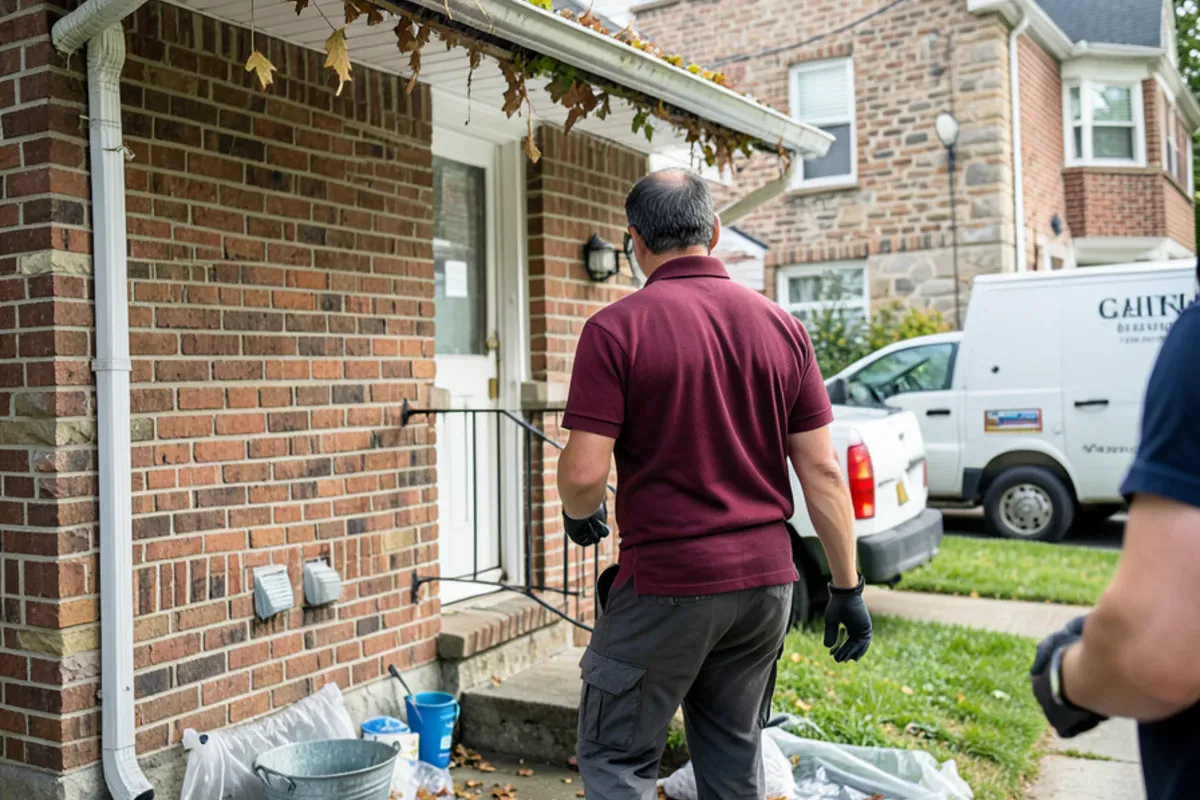
Tinicum is about 25 minutes from our Media base, roughly 11 miles, and the calls we get there lean toward rodents more than most of the county. When we inspect a riverfront property, we usually start outside, at the fence line and the slab edges, because rat burrows there tell us how much activity there is before we ever open a basement door.
We also see the same mosquito pattern each summer: owners assume the refuge is the whole problem, then we find a clogged gutter or a tarp holding water a few feet from the back door. For an overview of how we serve the area, see our Tinicum Township pest control page.
Riverfront rat work also has boundaries we explain up front. Burrows on refuge land, railroad right-of-way or public riverbank are not ours to treat, so we concentrate on the property line, the slab edges and the building itself. Rodenticide near the refuge raises a real concern for hawks, owls and other wildlife that eat poisoned rodents, which is why we lean on traps and exclusion close to the marsh edge and keep any bait in locked, tamper-resistant stations placed by the label. The trade-off is that trapping takes more visits than baiting. On a property that backs onto open water, sealing the foundation is usually what finally keeps numbers down.
Quick answers
Why do Tinicum homes get more rats than towns farther inland?
Rats like soft banks, steady food and cover, and the riverfront offers all three. Burrows along Darby Creek and the Delaware, dumpsters at nearby businesses and freight movement all keep populations close to homes. Inland towns have rats too, but the combination of water and commercial food sources makes outdoor pressure heavier along Route 291 and the river.
Can anything be done about mosquitoes from the Heinz refuge?
The marsh itself is protected habitat and will always produce some mosquitoes, but much of the biting in a yard comes from water on your own property or a neighbor's. Clearing gutters and containers weekly cuts that source. Yards bordering the refuge often benefit from scheduled treatments of shrubs and shady resting areas through the warm months.
Do you serve businesses near the airport?
Yes. We work with commercial properties as well as homes, and Tinicum is within our regular Delaware County service area. We start with a free inspection of the building, docks and dumpster areas, then provide a written quote. Same-day visits are often possible when the schedule allows, so call early in the day.
The bottom line
Living or working next to the river and the refuge means more rodent and mosquito pressure than most of the county, but steady habits keep it manageable. If you are seeing burrows, droppings or more bites than usual, call (209) 563-1650 and we will set up a free inspection.
Sources
Written by the No Bugs Exterminator team
A small, family-run pest control business in Media, PA, led by owner Thom. We write about what we see on inspections in Delaware County and southeastern Pennsylvania. About us.
Services mentioned in this guide


Want a professional opinion?
Book a free inspection and get a written quote before any treatment.
- ★ 4.8 from 21 Google reviews
- Open 7 days, 8 a.m. to 7 p.m.
- Free inspection before treatment
- Family-run, based in Media, PA
Open 7 days, 8 a.m. to 7 p.m.