

A useful home pest control checklist starts in the yard, moves to the walls and roofline, then goes room by room and repeats with the seasons. The list below follows the same route we walk on an inspection in Delaware County, so you can find the openings, moisture and clutter that pests rely on before they become a problem.
How should you use this home pest control checklist?
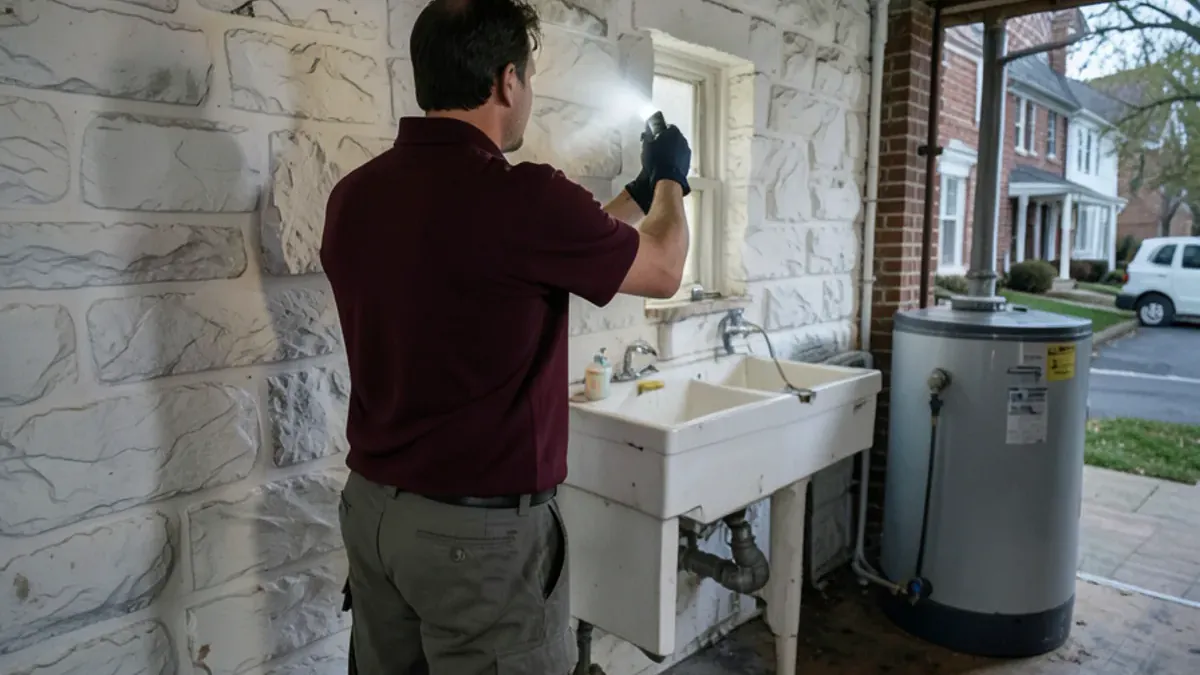
Set aside about an hour on a dry afternoon. Bring a strong flashlight, your phone for photos and a notepad; a photo of a gap or a dropping is far easier to compare three months later than a memory. Pests travel from the outside in and from the ground up, so check in that order.
Walk the perimeter twice
Once at arm's length from the foundation, once from the lot line so you can see the roof, gutters and branches touching the house.
Test the shell from inside
On a sunny day, turn off the basement and garage lights. Daylight around a door, pipe or sill marks an opening a mouse can use.
Go room by room, bottom to top
Start in the basement and finish in the attic.
Sort what you find
Label each item a quick fix, a weekend project or a job for a professional, and handle water problems first.
Yard by yard: keep pests out before they reach the walls
- Trim shrubs and vines 12 to 18 inches back from the siding so the foundation dries and ants lose their bridge.
- Cut limbs that hang over the roof; squirrels and carpenter ants use them as a road.
- Pull mulch a few inches off the foundation and keep it thin. Wet mulch against the sill invites termites and millipedes.
- Stack firewood about 20 feet from the house and off the ground.
- Empty buckets, tarps, saucers and clogged gutters. In summer heat, mosquitoes can go from egg to adult in about a week.
- Keep trash in lidded cans and store birdseed and pet food in metal or heavy plastic bins.
- If your lot backs onto woods, as many do near Ridley Creek State Park and the Crum, mow the lawn edge and rake back leaf litter, where blacklegged ticks wait.
- Look under decks and porches for burrows, droppings and small paper nests.
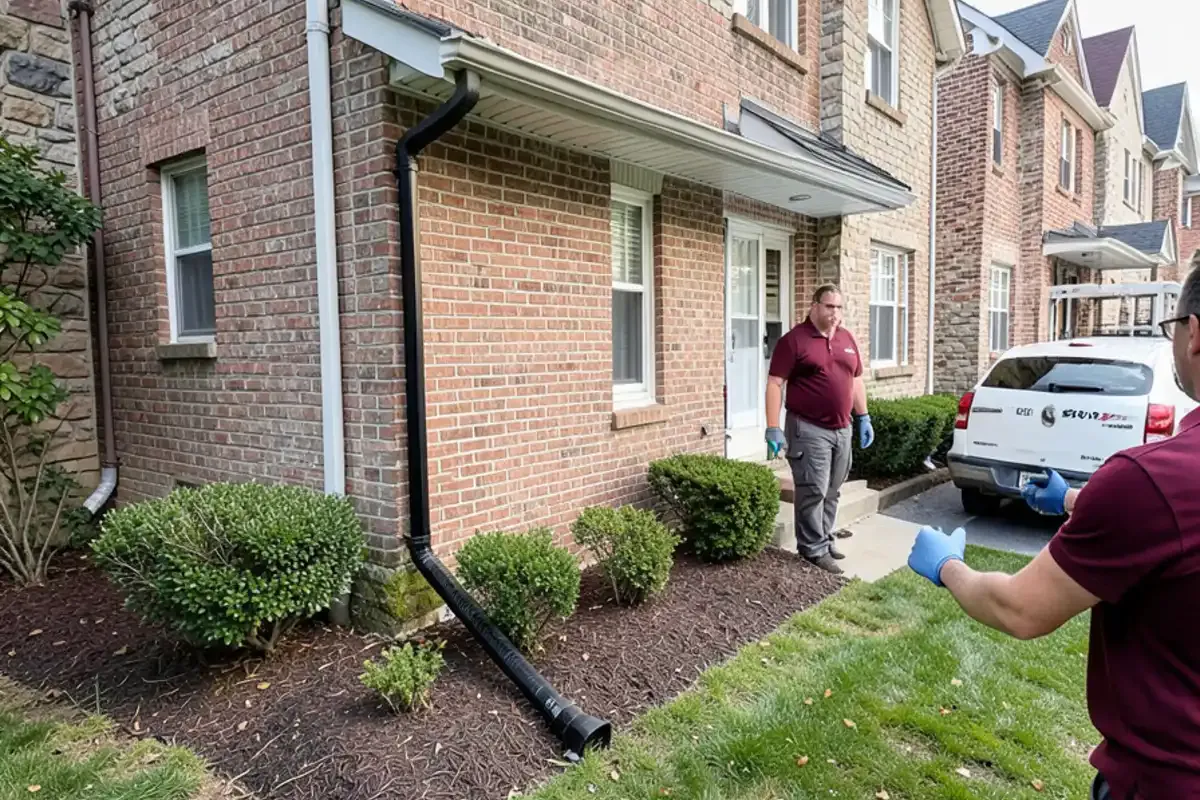
Pest-proof your home's shell: gaps, doors and the roofline
A house mouse fits through a gap about 1/4 inch wide, roughly the size of a dime. Age makes sealing harder here: Census (ACS) estimates put the median Delaware County home at 1957, and years of settling open sills, mortar joints and old pipe holes.
- Door sweeps on every exterior door, including the one from the garage into the house.
- A garage door seal with no gaps at the corners.
- Gas, AC, dryer, hose bib and cable openings packed with copper mesh and sealed.
- Sill plate gaps and foundation cracks closed; crumbling mortar in stone foundations repointed.
- Intact window screens and covered, draining window wells.
- Dryer and exhaust vent flaps that close fully, screened soffit vents and a capped chimney.
- Downspouts carrying water several feet from the foundation.
Room by room: a home pest inspection checklist for inside
In every room, look for food, water and hiding places. Take away any one of them and most household pests struggle to settle in.
- Kitchen: pull out the stove and refrigerator each season and clean underneath; check under the sink for leaks and pipe gaps; keep dry goods in sealed containers.
- Bathrooms: fix drips and running toilets, re-caulk tubs, and watch damp corners for silverfish and drain flies.
- Bedrooms: check mattress seams and headboard edges for small dark spots or shed skins after travel or guests.
- Living areas: vacuum baseboards and check window sills in fall for dead lady beetles or stink bugs.
- Basement: run a dehumidifier in humid months, store items in bins off the floor, and check the sump pit and sill plate for mud tubes or droppings.
- Attic: look for droppings, chewed insulation and daylight around vents, and listen at dusk for scratching.
- Garage: seal pet food and grass seed, and break down cardboard that mice and cockroaches use for shelter.
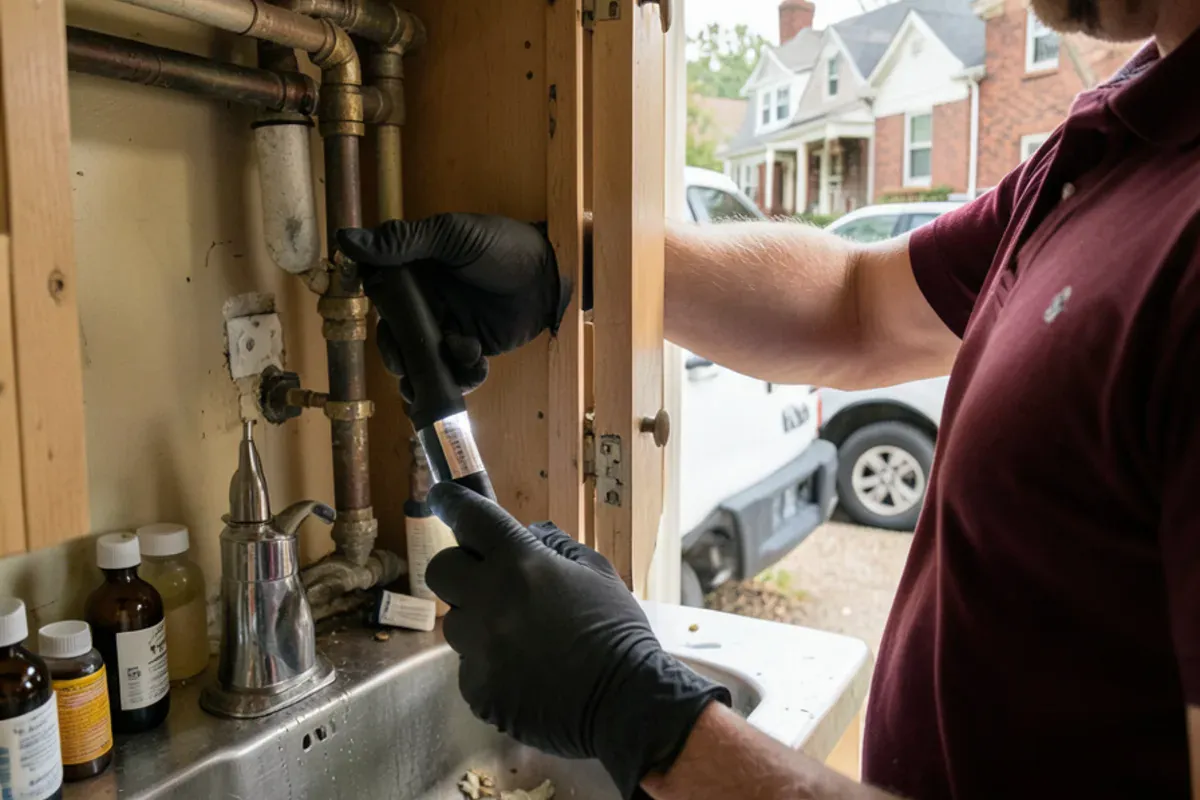
Seasonal home maintenance for pests: what to check and when
Pest pressure in southeastern Pennsylvania shifts with the weather, so the same house needs different attention in April than in October.
| Season | What shows up locally | Checklist focus |
|---|---|---|
| Spring | Termite swarmers after warm rain, ants, carpenter bees, wasp queens | Pull mulch back, look for mud tubes, knock down tiny nests under eaves |
| Summer | Mosquitoes, ticks, yellowjackets, fleas | Dump standing water weekly, mow the lawn edge, run the dehumidifier |
| Fall | Stink bugs, boxelder bugs, mice, spotted lanternfly egg masses | Seal gaps before cold snaps, add door sweeps, scrape egg masses |
| Winter | Mice and rats indoors, cockroaches | Check attic and basement for droppings, plan exclusion repairs |
Do it yourself, or set up a recurring visit?
Many homeowners work through the list themselves and call only when something slips past it. Others prefer someone to check entry points and refresh exterior treatments on a calendar, which is how our quarterly pest control plans run. Either works if the checks happen; the usual failure is skipping fall. For an overview of what we treat, see our home pest control services.
When is a pest prevention checklist not enough?
A checklist prevents problems; it does not remove an established one, and sealing an active infestation can trap pests inside the walls. If you see any sign below, book a free pest inspection and you will get a written quote before any treatment. Termite clues deserve a prompt look; our termite control page explains the next steps.
- Droppings in cabinets, drawers or along basement walls.
- Mud tubes on the foundation, or piles of small wings near spring windows.
- Rust-colored spots on mattress seams, or bites in a short line.
- Live cockroaches out in daylight.
- Steady wasp traffic in and out of one spot in a wall or the ground.
- Fine sawdust below wood trim, or scratching inside walls at night.
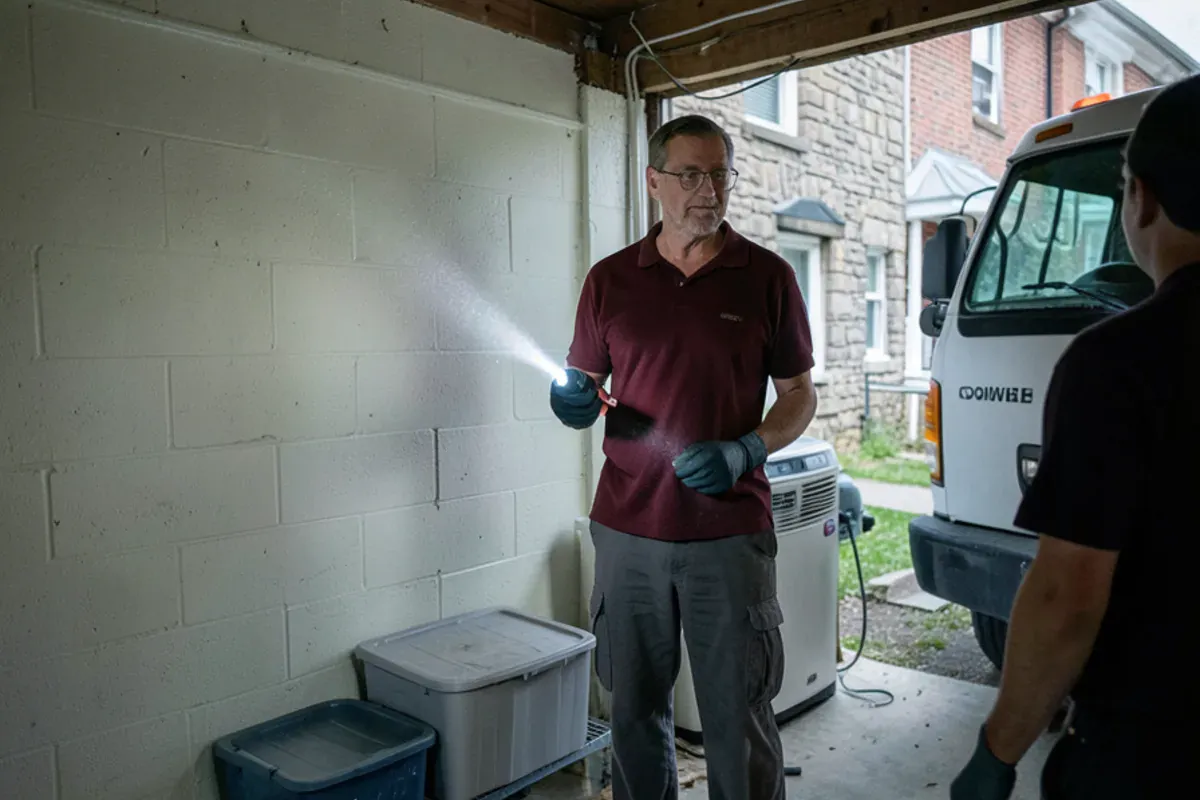
What our inspections around Media and Delaware County keep finding
When we inspect homes around Media, the openings that let pests in are usually small and ordinary: a garage door seal worn through at one corner, a gap where the AC line enters the wall, a basement window that no longer latches. Few of them show up on a casual stroll around the yard.
Media's walk-up apartments and older twins share walls and utility runs, and Census (ACS) estimates put the borough's renter share near 58%. There, one unit's checklist only goes so far, so we talk with owners and tenants about sealing shared chases. Our page on pest control in Media covers the borough in more detail.
We also sort findings honestly, because not every item on a checklist is pest work. A sagging gutter, rotted fascia, a cracked window well or a roof vent missing its screen is a repair for a gutter crew, carpenter or roofer, and we write it down as such rather than treating around it. Sprays cannot make up for an open gap. On the other side, some fixes look simple but are not: sealing a stone foundation with active mice inside, or caulking around a basement window where termites are already tubing, can hide a problem rather than solve it. When we inspect, we mark which items are safe for a weekend and which should wait until activity is confirmed and handled.
Quick answers
How often should I go through a home pest control checklist?
Do a full walk-through twice a year, in early spring and early fall, with a quick outdoor look each season. Spring brings termite swarmers and wasp queens; fall is when mice and stink bugs look for a way in. Around Delaware County, the weeks before the first hard frost are the most valuable time to seal gaps.
What should I fix first if my list is long?
Fix water problems and entry points first. Leaks, damp basements and clogged gutters feed almost every pest, and gaps around doors and utility lines let them in. If you find droppings or mud tubes, have the house inspected before sealing so you do not trap animals inside a wall or miss a termite colony.
Can I use this checklist when buying a house?
Yes, as a first look, but not in place of a formal inspection. Check the basement sill for mud tubes and the cabinets for droppings. If your lender needs a wood-destroying insect report, it must come from a properly qualified inspector, and you can ask any company for its Pennsylvania Department of Agriculture business license number.
Do I need any treatment if my checklist turns up nothing?
Usually not. If the walk-through finds no droppings, mud tubes, nests or live insects, sealing gaps and fixing moisture is the right work, and products can wait. Many Media-area homeowners simply repeat the list each spring and fall. A recurring plan makes more sense for houses with a history of pests, wooded lots, or shared walls with neighbors.
The bottom line
Work through the list once now, then let the seasonal table tell you when to look again. If anything points to pests already inside, call (209) 563-1650 for a free inspection; we are open 7 days, 8 a.m. to 7 p.m.
Sources
Written by the No Bugs Exterminator team
A small, family-run pest control business in Media, PA, led by owner Thom. We write about what we see on inspections in Delaware County and southeastern Pennsylvania. About us.
Services mentioned in this guide

Want a professional opinion?
Book a free inspection and get a written quote before any treatment.
- ★ 4.8 from 21 Google reviews
- Open 7 days, 8 a.m. to 7 p.m.
- Free inspection before treatment
- Family-run, based in Media, PA
Open 7 days, 8 a.m. to 7 p.m.