
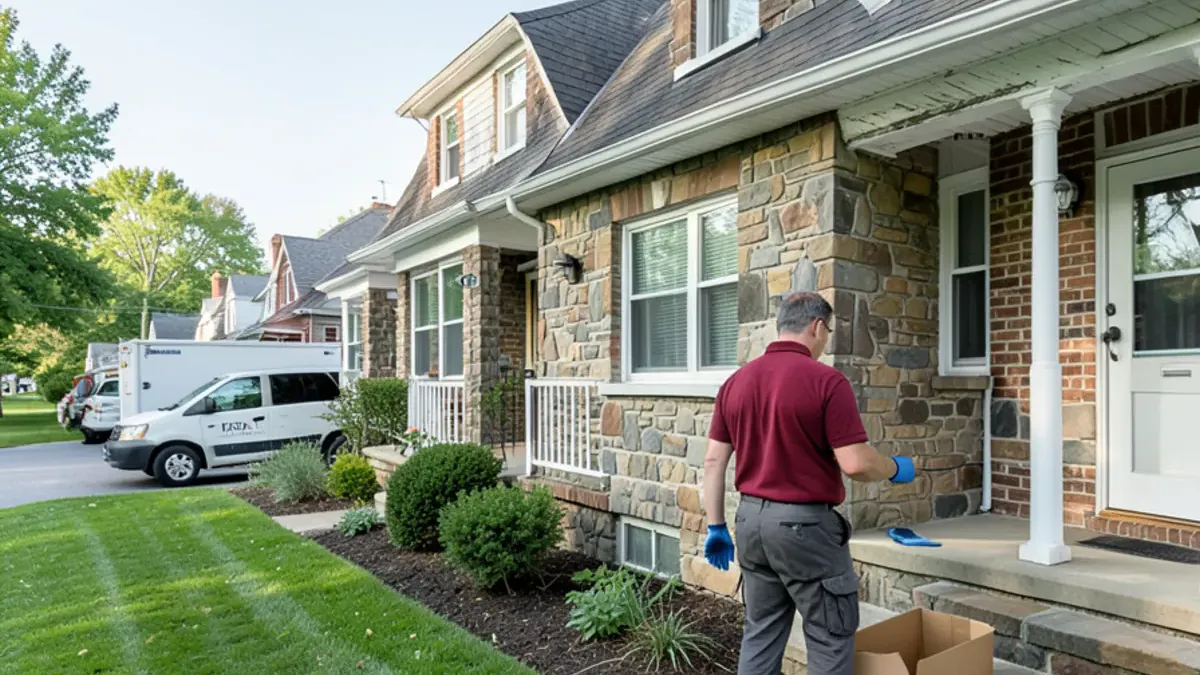
A WDI inspection in PA is a visual check of a home for termites and other wood-destroying insects, written up on a standard form that lenders and buyers rely on during a sale. Here is what the inspection covers, how it fits your closing, and what happens if something turns up.
What is a wood destroying insect report in PA?
A wood-destroying insect report, often called a WDI report or simply a termite letter, documents what an inspector observed about insect activity and damage in a home on a given day. In real-estate sales it is commonly written on the NPMA-33 form, a standardized report used across much of the country so lenders can read every report the same way.
The report must come from a properly licensed inspector. In Pennsylvania, the Department of Agriculture licenses pest control businesses and certifies the applicators who work for them, and you can ask any company for its PDA business license number before you hire it.
If you are buying in Delaware County, your lender may require one, and even when it does not, the report tells you whether the house you are about to own has an insect problem hiding in the basement.
What a WDI inspection covers
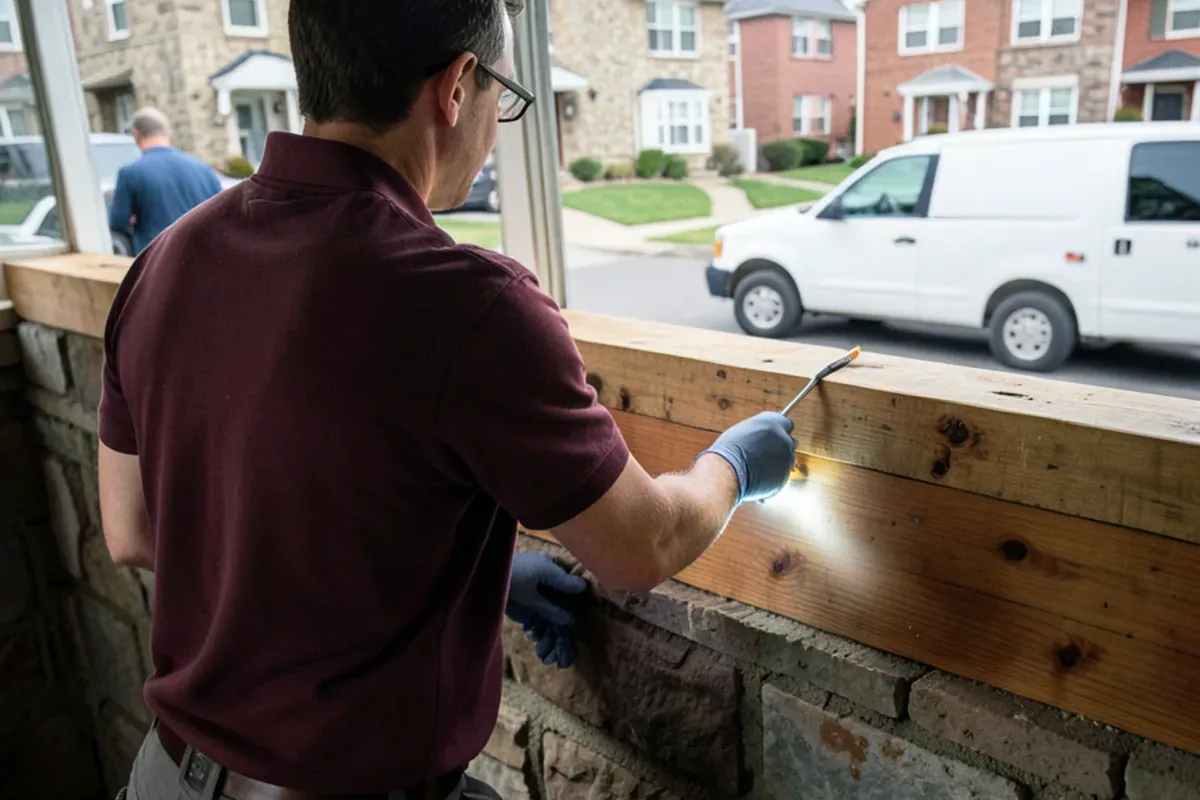
The inspector looks at the visible and accessible parts of the structure, inside and out, for evidence of wood-destroying insects. The NPMA-33 form records:
- Live insects or other evidence of active infestation, such as mud tubes, frass or exit holes
- Visible damage from wood-destroying insects, whether active or old
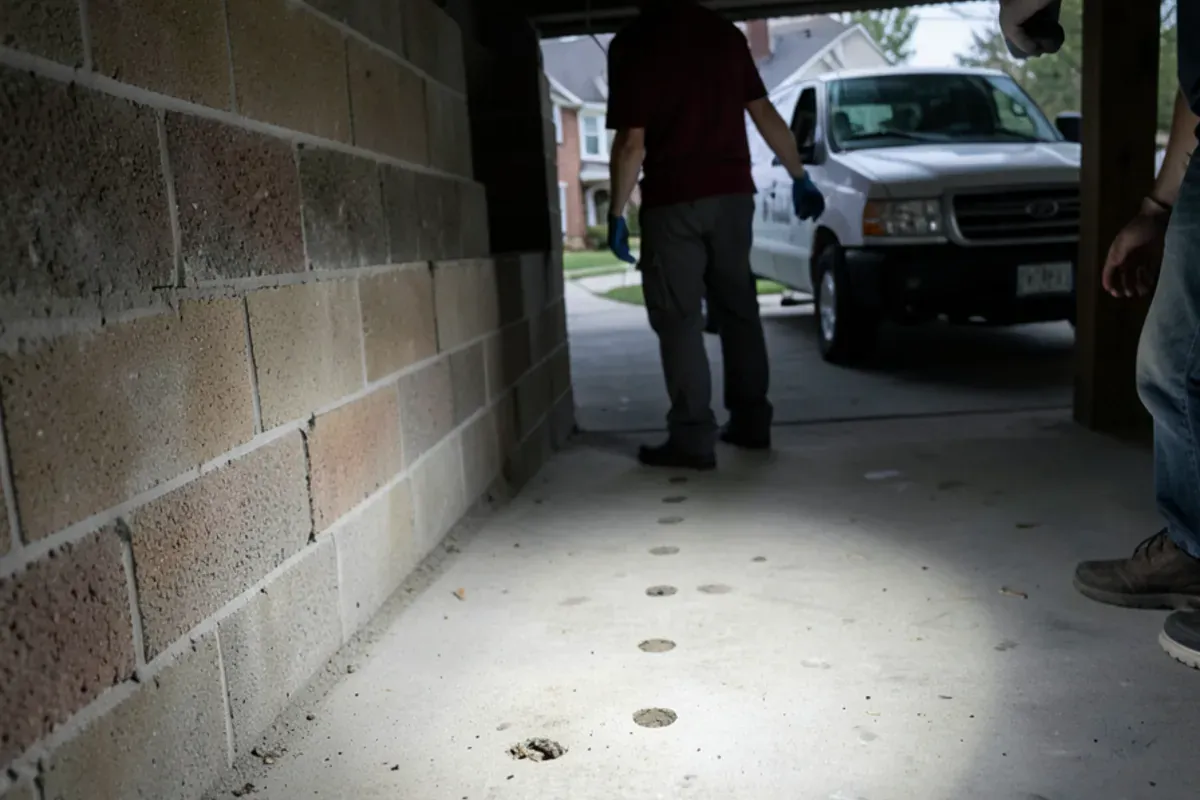
- Evidence of previous treatment, such as drill holes in a slab or bait stations in the yard
- Areas that could not be inspected because of finished walls, stored items, insulation or lack of access
- Conditions that favor infestation, like wood touching soil or excess moisture, where noted
Which insects are on the report?
In southeastern Pennsylvania the main concern is the Eastern subterranean termite, since the region lies in a moderate-to-heavy termite zone. But the report covers more than termites. Carpenter ants, carpenter bees and wood-boring beetles such as powderpost beetles all count as wood-destroying insects.
Older Delaware County homes, where Census (ACS) estimates put the countywide median build year at 1957, often show signs of past termite activity and earlier treatments. That history does not automatically mean a problem today, which is why the report separates active infestation from old damage and prior treatment.
How should you read the findings on a WDI report?
Skip the summary line and go straight to the findings. The form separates "no visible evidence observed" from "visible evidence observed," and under the second it breaks evidence into live insects, dead insects or insect parts, visible damage, and signs of earlier treatment. Each box checked should come with a location and a short description.
Then read the obstructions and inaccessible areas just as closely. A long list there, such as a finished basement, a packed storage room or a crawl space with no entry, means the clear result covers less of the house than it seems. Finally, look at any comments about conducive conditions like wood touching soil or moisture at the sill. Those are not infestations, but they tell you what to fix after you move in.
Who orders it, and who pays for the termite letter?
Usually the buyer orders the inspection as part of their due diligence, but your agreement of sale and your lender's requirements decide who orders it and who pays. Lenders often require a WDI report for FHA and VA loans, and some conventional lenders request one as well.
Talk with your agent early so the inspection is scheduled within your contract's inspection period. This is general information, not legal advice; your agent or attorney can explain what your specific agreement requires.
How the WDI fits your closing timeline
Agreement of sale signed
Check your inspection period and whether your lender requires a WDI report.
Schedule early
Book the WDI alongside your general home inspection so both results arrive within the contingency window.
Inspection day
The inspector checks the exterior, basement or crawl space, garage, accessible attic and living areas, noting anything that blocks a full view.
Report delivered
The completed form goes to you, your agent and, if required, your lender.
Negotiate or close
A clear report moves forward. Findings lead to treatment, repair or renegotiation before settlement.

Questions to ask before you book the inspection
A five-minute call before scheduling avoids most surprises later in the contingency period. Ask:
- Can you issue the report on the form my lender requires, and will it go directly to the lender?
- Will detached garages, sheds and other outbuildings be included, or are they extra?
- What should the seller clear before you arrive so the foundation walls can be seen?
- How soon after the visit will the report be delivered?
- If activity is found, will you provide a separate written treatment quote, and can I get a second opinion?
- What is your Pennsylvania Department of Agriculture business license number?
What happens if the report finds termites?
A finding of active termites does not usually end a sale. More often it leads to a negotiation: the seller treats before closing, offers a credit, or the buyer arranges treatment after settlement. A lender may require proof of treatment before funding the loan. If damage is noted, a contractor may need to evaluate whether any wood needs repair.
Keep in mind what the report is and is not. It describes visible, accessible areas on the inspection date. It is not a structural engineering report and it cannot see behind finished walls. Our termite inspection page covers the more detailed inspection homeowners request outside of a sale, and our termite control page explains treatment choices if activity is found.
WDI report cost: what affects it
There is no single price for a WDI report. What shapes the quote includes the size of the home, whether it has a basement, crawl space or slab, detached garages or other outbuildings on the property, how quickly you need the report, and any add-on such as a fuller termite inspection. Ask for the quote in writing before scheduling.
What we tell buyers calling from across Delaware County
When buyers call us during a sale, the first question is usually timing, and the second is what happens if something turns up. We walk through both before anything is scheduled. Older stone and block foundations common across Delaware County often show old drill holes from past treatments, and we explain what that history means for the house you are buying.
A WDI report must be issued by a properly licensed inspector, and we will tell you on the call whether we can issue one for your sale. Call (209) 563-1650 to confirm this option is available for your property. Details are on our WDI inspection report page.
The limits of a visual WDI are worth knowing before inspection day. An inspector does not move the seller's belongings, pull up flooring or open walls, so a basement stacked with boxes against the foundation can turn into a long inaccessible-areas note. The most useful thing a buyer can do is ask the listing agent to have the seller clear a path along the basement walls and open the crawl space hatch. We also see buyers alarmed by old drill holes in a garage slab or porch, which usually point to a treatment years ago rather than a current problem; the report records them so the history is on paper, and a fuller termite inspection can follow if you want more certainty.
Quick answers
How long is a WDI report good for?
The report reflects conditions on the day of the inspection only. Lenders often want a report dated close to settlement, and their requirements vary, so ask your loan officer how recent it must be. If your Delaware County closing date slips by weeks or months, you may need an updated inspection before the lender will fund.
If the WDI comes back clear, can I assume the house is termite-free?
Not necessarily. A clear report means no visible evidence was found in the areas the inspector could reach that day. Termites can be active behind finished basement walls, under flooring or in spots blocked by stored belongings. That is why the form lists inaccessible areas, and why ongoing monitoring makes sense in an older home.
Does a newly built home need a WDI inspection?
Sometimes. Lenders on FHA and VA loans often ask for proof that the soil was pretreated for termites during construction, and some still want a WDI report before settlement. Ask the builder early for the pretreatment record and any warranty terms in writing. On a new Delaware County subdivision home, that paperwork usually answers the lender's question faster than a new inspection.
The bottom line
A WDI report is a small step in a home purchase that can save you from an expensive surprise after you move in. Schedule it early in your inspection period, read the inaccessible-areas section carefully, and ask questions before you sign off. If you want help understanding a report or arranging an inspection, Thom and his team are glad to talk it through.
Sources

Written by the No Bugs Exterminator team
A small, family-run pest control business in Media, PA, led by owner Thom. We write about what we see on inspections in Delaware County and southeastern Pennsylvania. About us.
Services mentioned in this guide

Want a professional opinion?
Book a free inspection and get a written quote before any treatment.
- ★ 4.8 from 21 Google reviews
- Open 7 days, 8 a.m. to 7 p.m.
- Free inspection before treatment
- Family-run, based in Media, PA
Open 7 days, 8 a.m. to 7 p.m.