

The quickest answer to how to get rid of mosquitoes in your backyard is to hit them where they breed and where they rest. Emptying standing water, treating the shady plants where adults wait out the day, and using a registered repellent on your skin do far more than citronella candles or bug zappers ever will.
Why citronella candles and bug zappers disappoint
Citronella candles give off a mild scent that may confuse a few mosquitoes within a foot or two of the flame, but a breeze carries it away and the protection ends at the edge of the table. Ultrasonic devices and phone apps have not held up in independent testing.
Bug zappers are the biggest letdown. Mosquitoes find people by carbon dioxide, body heat and skin odor, not ultraviolet light, so zappers mostly kill moths, beetles and other harmless insects, many of which feed birds and bats. A zapper buzzing all night can make a yard feel busy without changing how often you get bitten.
Mosquito control tips compared: what helps and what doesn't
Here is a quick look at common backyard approaches, based on how mosquitoes actually behave:
| Approach | Does it help? | Why |
|---|---|---|
| Emptying standing water weekly | Yes, a lot | Breaks the egg-to-adult cycle, which takes about a week in summer heat |
| Barrier treatment of resting areas | Yes | Targets adults where they shelter during the day |
| EPA-registered skin repellent | Yes | Proven ingredients such as DEET, picaridin or oil of lemon eucalyptus |
| Outdoor fan on a deck or patio | Yes, nearby | Mosquitoes are weak fliers and struggle in moving air |
| Larvicide in water you cannot drain | Yes | Kills larvae in rain barrels, ornamental ponds and similar features |
| Citronella candles | Barely | Scent spreads only a short distance and blows away |
| Bug zappers | No | Mosquitoes are not strongly drawn to UV light |
| Ultrasonic devices and apps | No | Not supported by testing |
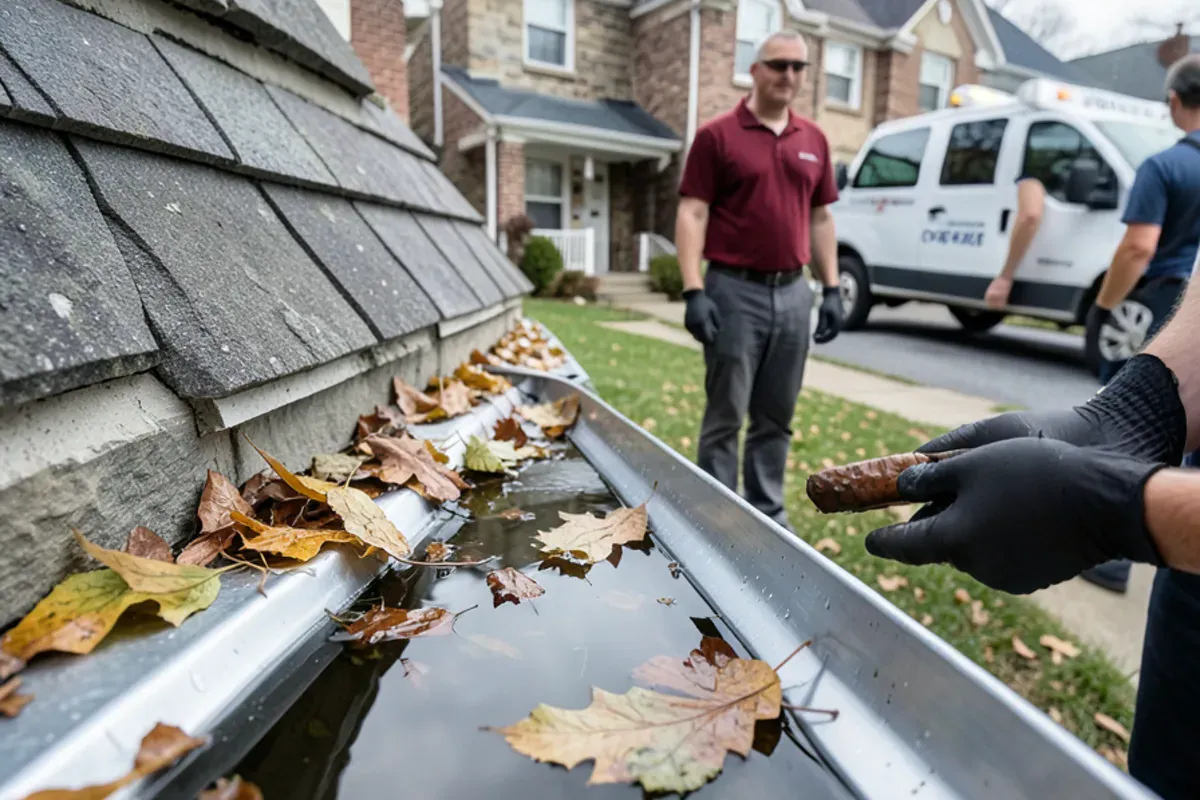
Where are the mosquito breeding sites in your yard?
The Asian tiger mosquito, the striped day-biter behind most backyard complaints in our area, lays eggs in tiny amounts of water and rarely travels far from where it hatched. That means the mosquitoes biting you are often breeding within your own yard or the one next door. Do a weekly sweep:
Flip and drain containers
Buckets, flowerpot saucers, toys, wheelbarrows, tarps and recycling bins all hold water after rain.
Clean the gutters
Clogged gutters and sagging sections hold water for weeks and sit right next to the house.
Refresh bird baths and pet bowls
Change water at least once a week, and scrub the sides where eggs stick.
Check hidden spots
Corrugated downspout extensions, tree holes, grill covers, pool covers and the bottoms of plant containers.
Treat what you cannot drain
Rain barrels need tight screens, and ponds and fountains can be treated with a larvicide labeled for that use.
Do mosquito-repelling plants and water features make a difference?
Planting citronella grass, lavender, marigolds or catnip around a patio looks nice but does little for biting. The oils in those plants repel only when crushed and concentrated, and a living plant in a pot releases too little to matter a few feet away. What the yard is planted with matters more for where mosquitoes rest than for what they smell.
Thick ivy, pachysandra and other evergreen ground covers right beside a deck give adults a cool, damp hiding spot within easy reach of your ankles. Thinning those beds, raising shrubs off the ground and keeping a sunny strip between the plantings and the seating area all help.
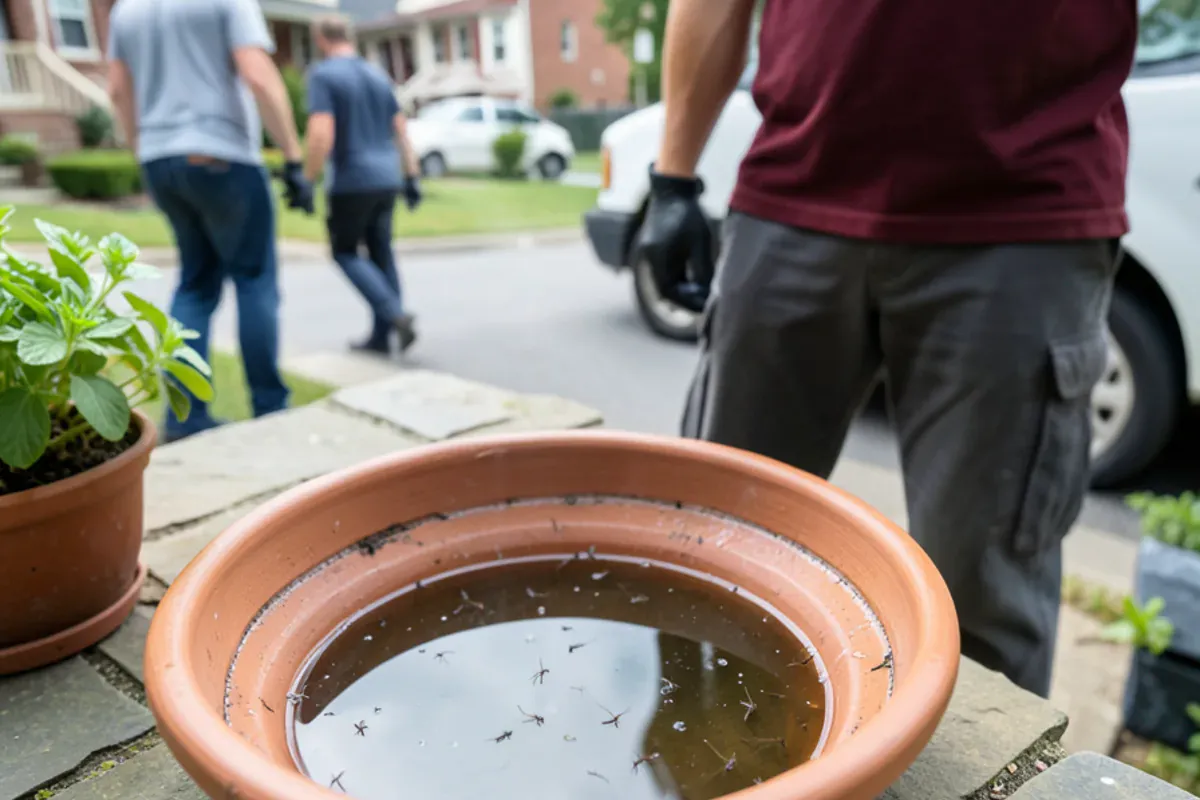
Water features can go either way. Mosquitoes lay eggs in still water, so a small pump that keeps a fountain or pond surface moving discourages them, and fish in an ornamental pond eat larvae. A forgotten basin or a pond with a dead pump becomes a nursery within a week of hot weather.
How does a mosquito yard treatment work?
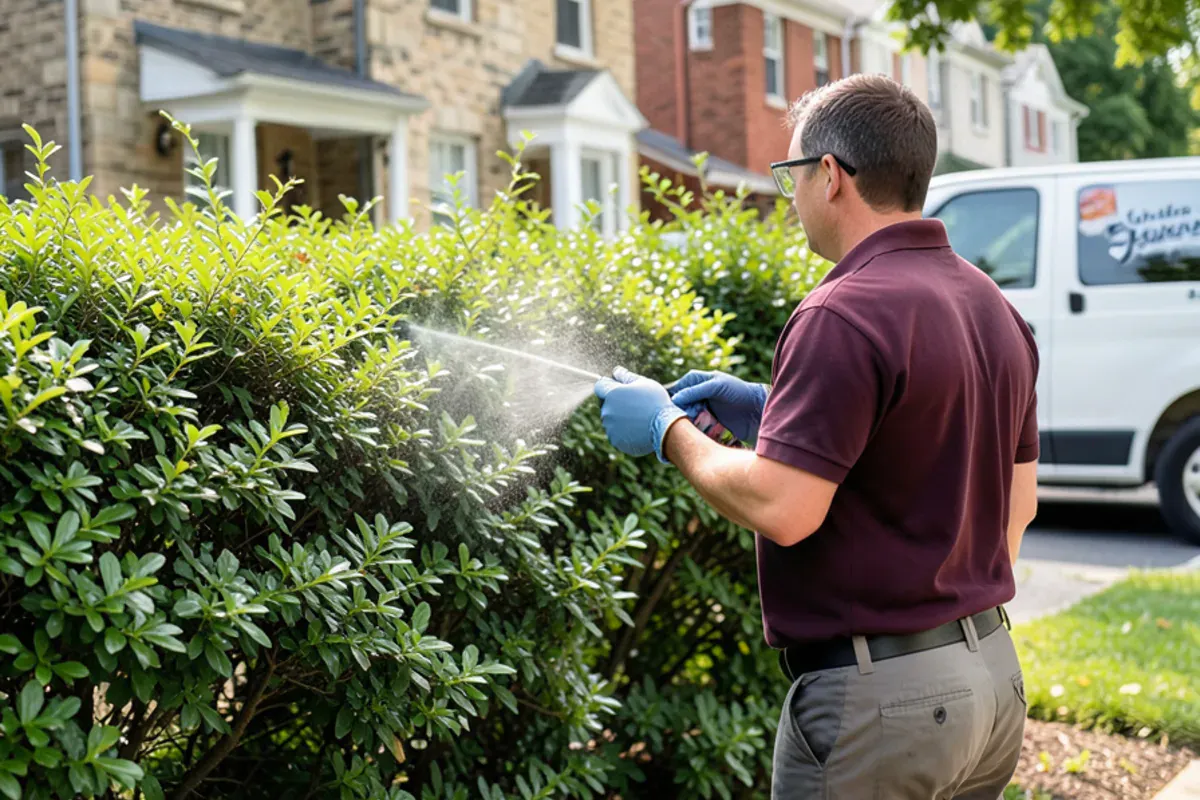
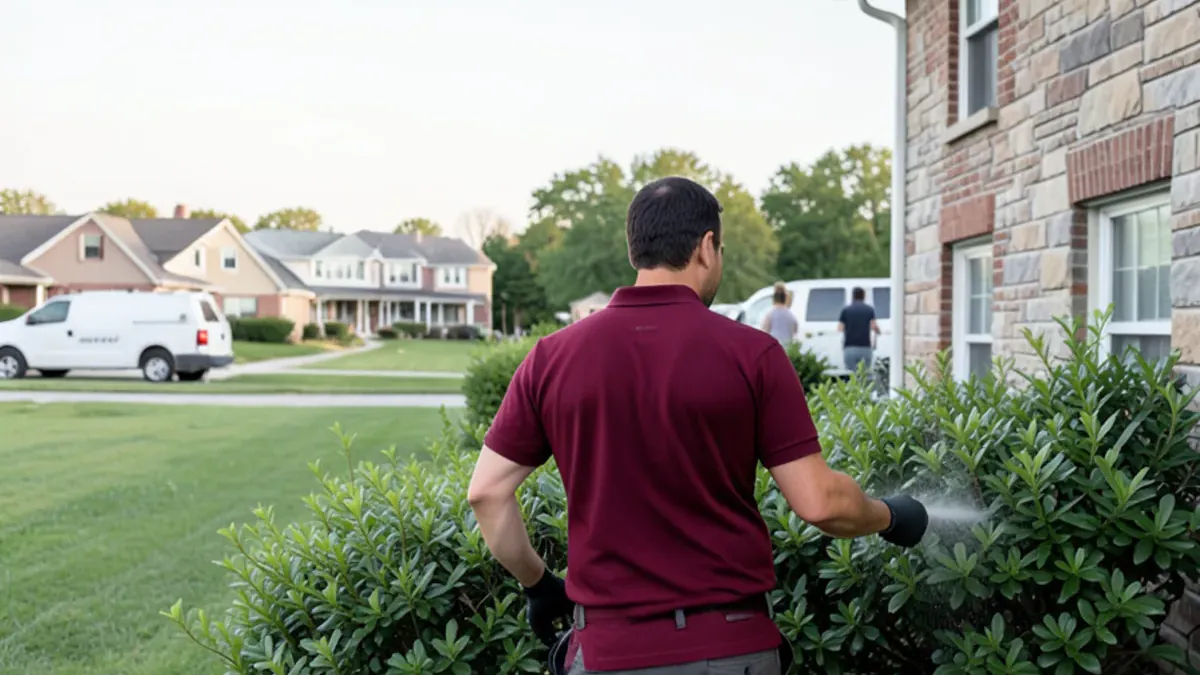
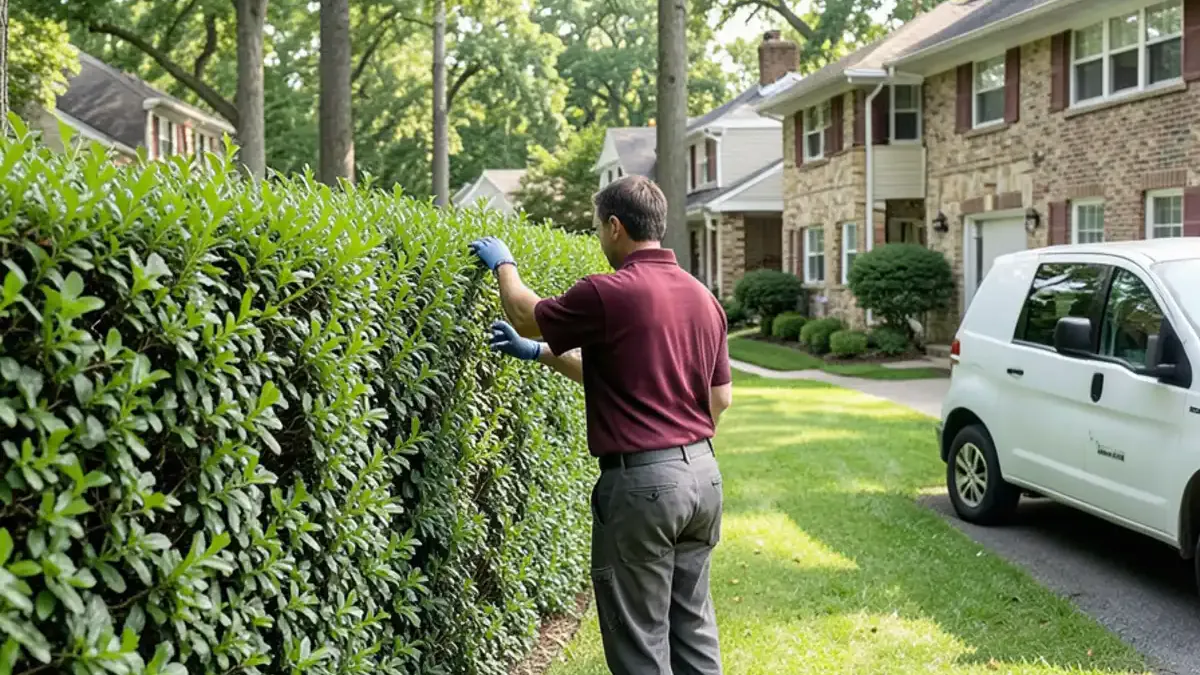
Adult mosquitoes spend the heat of the day resting in shade: under decks, in dense shrubs, on the underside of leaves and in ivy and tall grass. A barrier treatment applies an insecticide to those resting areas, so mosquitoes that land there die before they reach you. It is usually repeated on a schedule through the warm months, because new mosquitoes keep emerging and rain and plant growth wear down the residual.
A good treatment avoids blooming flowers where bees forage, pairs with a check for standing water, and focuses on the shady edges of the yard rather than open lawn. Our mosquito yard treatment follows that approach, and our mosquito control overview explains the season-long options.
Which mosquito repellent should you wear in the yard?
Pick a product registered with the EPA and follow its label. The EPA and CDC point to a short list of active ingredients that hold up in testing:
- DEET, the long-standing standard; higher concentrations last longer, not stronger.
- Picaridin, nearly odorless and less greasy on skin and clothing.
- IR3535, found in many lotion-style products.
- Oil of lemon eucalyptus (OLE) or its synthetic form PMD; the CDC advises against it for children under three.
- Permethrin for clothing and gear only, never skin; it also helps against ticks along the woodland edge.
How to get rid of mosquitoes in your backyard across a whole season
Timing matters as much as method. Start the weekly standing-water sweep in late spring, before the first generation of tiger mosquitoes builds up, and keep it going until the first hard frost. Pair it with barrier treatments through the warm months, and plan around big rain events, which refill containers and wash residue off leaves.
Protect yourself in the meantime. Wear an EPA-registered repellent when you garden or sit outside near dusk, set a fan on the patio, and fix torn window and door screens so mosquitoes that hatch nearby do not follow you indoors.
Do ticks need a separate plan?
Often, yes. The shady, leafy edges where mosquitoes rest are also where blacklegged ticks wait for a host, and Pennsylvania's reported Lyme disease cases rank near the top nationally in CDC data. Yards that back onto woods or creek banks benefit from a treatment aimed at the leaf litter and woodland edge as well.
Our tick control service focuses on those transition zones, and it can be scheduled alongside mosquito visits when both are a concern.
Mosquito pressure near Delaware County's creeks
Five creeks, the Crum, Ridley, Chester, Darby and Cobbs, cut across Delaware County, and the John Heinz refuge at Tinicum keeps tidal marsh wet all summer. Yards near those waterways see steady pressure, but when we walk a property, the worst breeding is still usually in the yard itself: a clogged gutter, a stack of nursery pots, a tarp over the woodpile.
That is why every visit we make starts with a walk for standing water before any treatment. Clearing those sources often cuts biting noticeably within a week or two, and the barrier treatment handles adults drifting in from beyond the property line. We provide this service across Delaware County.
We are also upfront about what a barrier treatment cannot do. It will not reach mosquitoes breeding in a neighbor's clogged gutter, an uncovered pool, or a storm drain inlet at the curb, and yards beside a source like that see shorter relief between visits. Product labels keep us off blooming plants where bees forage, vegetable gardens, and the edges of ponds, so a yard planted wall to wall with flowers has less to treat. A downpour within hours of a visit can shorten how long the residue lasts on leaves. When those limits apply, we say so before the season starts rather than after the first complaint.
Quick answers
When is mosquito season in southeastern Pennsylvania?
Roughly from late spring until the first hard frost in fall, with the heaviest biting in July and August. Asian tiger mosquitoes bite during the day, while other species are more active at dusk. Starting yard treatments and the standing-water routine in late spring gets ahead of the population before it builds through midsummer.
Will a yard treatment get rid of every mosquito?
No treatment can make a yard mosquito-free, because new mosquitoes fly in from neighboring properties and wooded areas. A barrier treatment combined with removing breeding sites usually brings biting down to a level where you can use the deck or patio comfortably. Repellent is still worth wearing at dusk or near creeks and wooded edges.
Does a rain barrel breed mosquitoes?
It can, if mosquitoes can reach the water. Cover the inlet and the overflow with fine mesh screen, keep the lid tight, and check that the downspout connection has no gaps. Tiger mosquitoes squeeze through surprisingly small openings. If a barrel must stay open, a larvicide containing Bti that is labeled for water storage kills larvae without affecting the plants you water.
Why do mosquitoes bite me more than other people in the yard?
Because mosquitoes track carbon dioxide, body heat and skin odor, and those vary from person to person. People who exhale more, are warmer after yard work, or have certain skin chemistry draw more bites. Dark clothing also stands out to day-biting tiger mosquitoes. A repellent on exposed skin and a fan on the patio narrow the gap between you and everyone else.
The bottom line
Standing water and shady resting spots are where backyard mosquitoes are won or lost; candles and zappers are mostly decoration. If you want help with both, call (209) 563-1650 and we will walk the yard with you before suggesting a plan.
Sources
Written by the No Bugs Exterminator team
A small, family-run pest control business in Media, PA, led by owner Thom. We write about what we see on inspections in Delaware County and southeastern Pennsylvania. About us.
Services mentioned in this guide
Want a professional opinion?
Book a free inspection and get a written quote before any treatment.
- ★ 4.8 from 21 Google reviews
- Open 7 days, 8 a.m. to 7 p.m.
- Free inspection before treatment
- Family-run, based in Media, PA
Open 7 days, 8 a.m. to 7 p.m.