
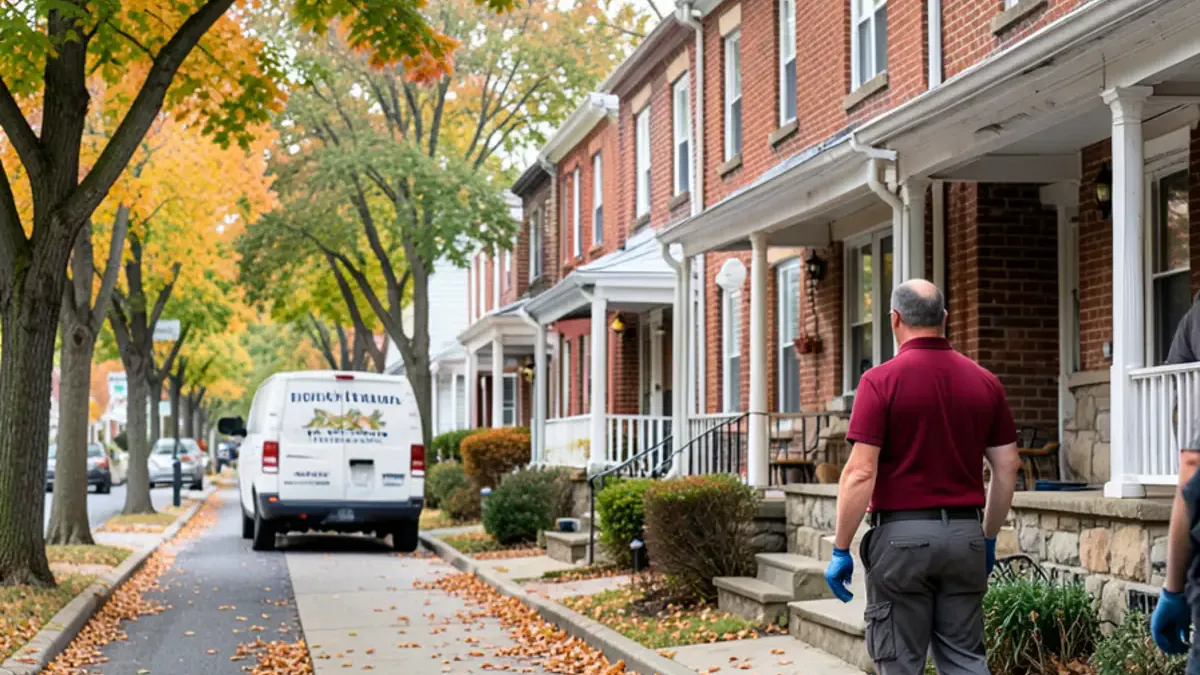
Mice in old houses are less a sign of poor housekeeping than a result of how those houses were built. Fieldstone foundations, framing with open channels from cellar to attic, and party walls shared with the neighbors give a house mouse more highways than any modern home offers.
Delaware County's older housing, by the numbers
If you live in a pre-war twin, rowhome or farmhouse in Delaware County, here is where they are getting in and what to fix first.
Much of eastern Delaware County was built before or just after World War II. Census (ACS) estimates put the median year built at 1943 in Lansdowne, 1948 in Upper Darby and 1949 in Drexel Hill, a community known for its brick twins. Those homes were sturdy, but nobody built them with rodent exclusion in mind.
Age, settling, repairs and new utility lines have added gaps the original builders never made. Every cable TV line, gas line upgrade and replaced dryer vent is another hole through the foundation or sill, and many of them were never sealed properly. Openings we commonly trace mice to in older homes include:
- Gaps around gas, water and sewer lines where they pass through the front or rear cellar wall
- Old coal chutes, milk doors and abandoned oil fill pipes
- Dryer vents and exhaust fans retrofitted through masonry without a tight seal
- Cellar windows with rotted frames or missing glazing
- Gaps where the porch slab or an addition meets the original foundation
- Openings at the eaves and around chimney chases in the attic
How do mice get through a stone foundation?
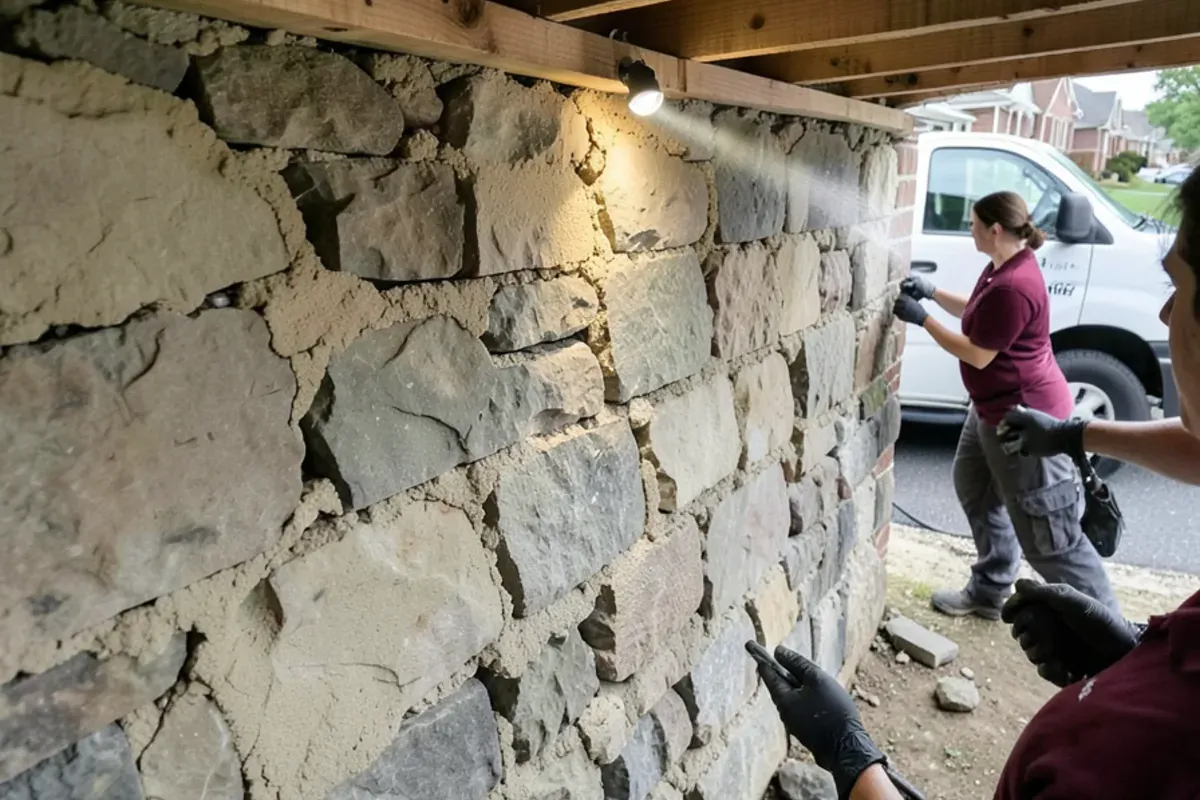
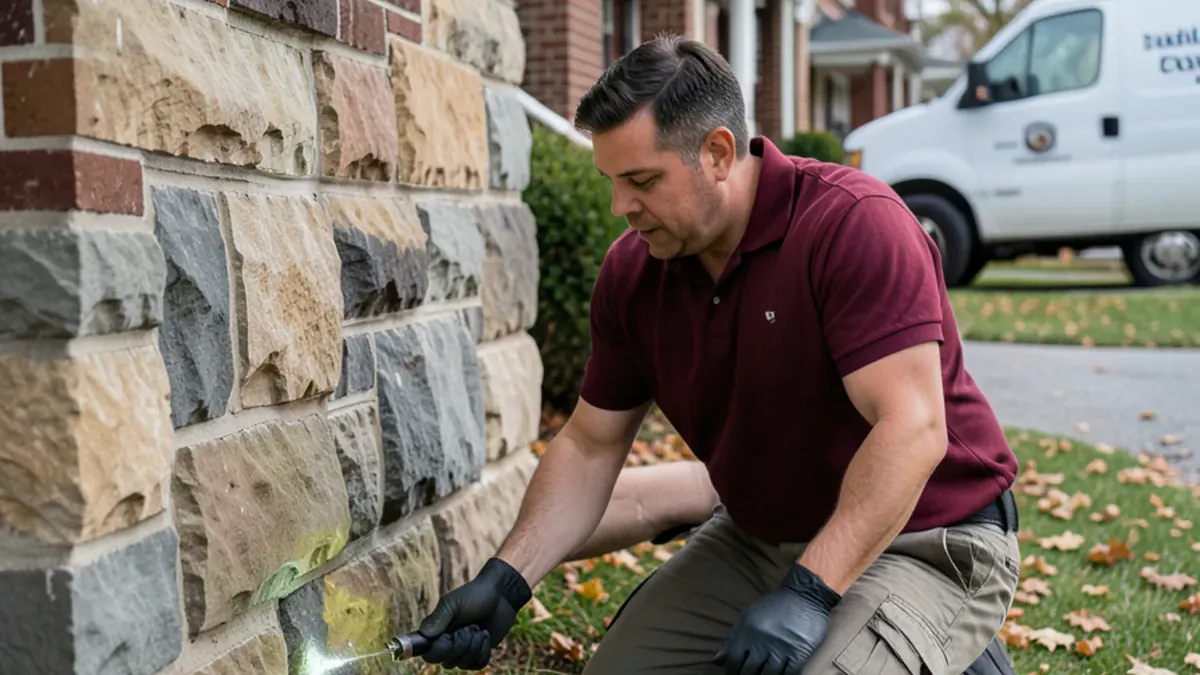
Stone foundation mice are a classic old-house problem. Fieldstone and rubble walls are held together with lime mortar that softens and crumbles over time, leaving voids between stones that lead straight into the wall. A mouse needs a gap only about 1/4 inch wide, roughly the size of a dime, and an old stone wall can have dozens of them.
The sill plate on top of the foundation is the second weak spot. Where wood meets uneven stone, there are often gaps along the whole perimeter of the cellar. Look for dark rub marks, droppings along the top of the wall, and shredded insulation stuffed into the joist bays above.
Balloon framing rodents: the hidden elevator
Many houses built before the 1940s used balloon framing, where the wall studs run continuously from the foundation sill to the roof line. Without fire blocking between floors, each stud bay is an open vertical shaft. A mouse that slips in at the cellar can climb inside the wall all the way to the attic without ever showing itself in a room.
That is why families in older homes often hear scratching in second-floor walls or ceilings at night but never see a mouse in the kitchen. Adding fire blocking at the sill and top plates closes those shafts, and it is a fire-safety improvement as well. That work is a job for a qualified contractor, especially in finished walls.
Why do rowhome mice keep coming back?
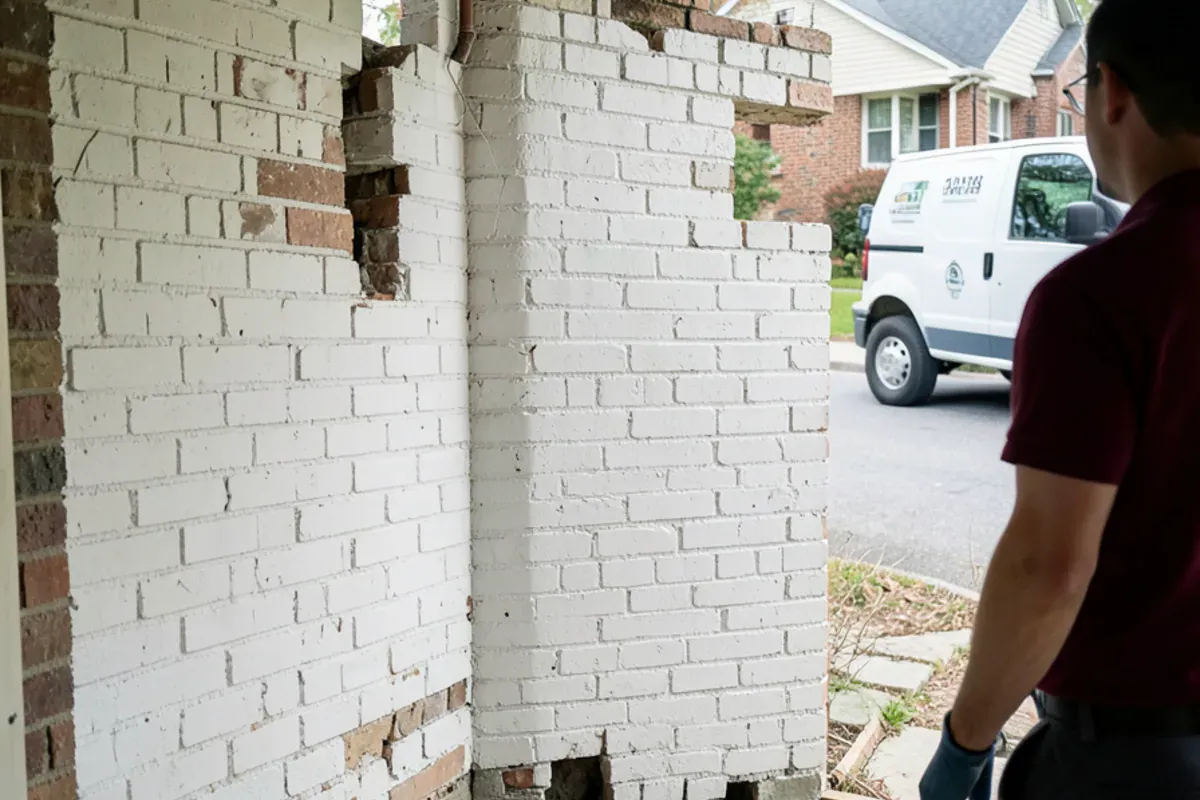
Twins and rowhomes share walls, roofs and sometimes basements with neighbors. Party walls often have gaps where joists rest in the masonry, and some basements have openings where utility lines pass from one home to the next. Mice treat the whole row as one building.
This is the main reason rowhome mice return after trapping. You can clear your side completely and still see new activity a few weeks later because the neighbor's house is feeding mice into yours. The most effective approach is sealing the shared-wall openings on your side and, when possible, coordinating with neighbors so both homes are treated in the same season.
Old house mice: what to fix first
You do not need to rebuild the house. Working in this order gives the most protection for the effort:
Find active routes
Check for fresh droppings, rub marks and gnawed materials in the cellar, under sinks and in the attic so you know where traffic is heaviest.
Seal utility penetrations
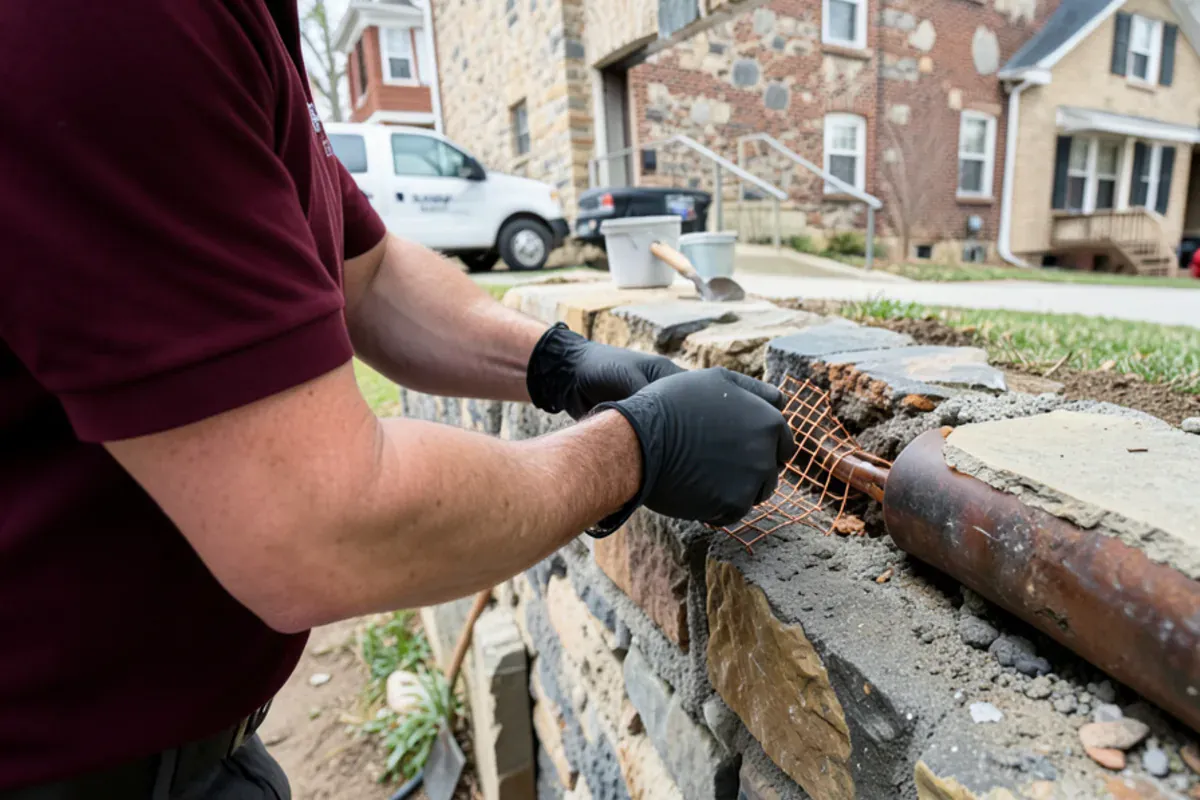
Pack gaps around gas, water, cable and electrical lines with copper mesh or steel wool, then cover with sealant or mortar.
Close the sill gap
Seal along the top of the foundation where the sill plate meets stone, using mortar or exterior-rated sealant backed by mesh.
Repoint the worst mortar
Have crumbling joints in stone or brick foundations repointed, starting where droppings show activity.
Fix doors and old coal chutes
Add sweeps to cellar and garage doors, and seal unused coal chutes, milk doors and old dryer vent openings.
Trap, then monitor
Remove the mice already inside with snap traps or tamper-resistant stations, then keep a few traps in place to confirm the work held.
Mice in pre-war homes need exclusion, not just bait
Bait alone in an older home often fails for a simple reason: new mice keep arriving through openings nobody closed. Bait can also leave mice dying inside wall cavities, where the odor lingers for weeks in plaster walls that are hard to open.
Long-term control comes from exclusion first, with trapping to clear the house. Our rodent exclusion service focuses on sealing foundations, sills and utility lines, while our mouse control work removes the mice already inside.
What older homes in Drexel Hill and nearby teach us
When we inspect brick twins in Drexel Hill, the most common entry points are around the gas and water service lines in the front cellar wall, the gap where a newer dryer vent was cut through old masonry, and the sill along the shared wall. Droppings along the top of the foundation often lead straight to the gap.
In larger stone homes and farmhouses farther west in the county, the problem shifts to deteriorated mortar, crawlspace additions joined to older cellars, and attics with wide gaps at the eaves. Each style of old house has its own pattern, which is why we look at how a house was built before choosing a plan. Learn more about our approach on the rodent control page.
Quick answers
Why do I hear mice in the walls but never see them?
In older homes, mice often travel inside wall cavities and between floors without entering living space. Balloon framing and open chases around pipes and chimneys let them move from cellar to attic out of sight. Nighttime scratching in upper walls and ceilings is common in Delaware County twins and rowhomes. Finding the entry point in the cellar is usually the key to stopping it.
Is it worth sealing my side if my neighbor has mice?
Yes. Sealing your side of the party wall, utility lines and foundation cuts down how many mice can cross into your home, even if the neighbor's house still has activity. You may still catch the occasional mouse, but far fewer. Talking with neighbors about treating at the same time gives attached homes the strongest result.
Do old radiator and heating pipes give mice a way between floors?
Often, yes. Holes drilled for steam and hot-water radiator pipes were frequently cut larger than the pipe, and decades of movement widen them further. Mice climb along the pipe from the cellar into first- and second-floor rooms. Close the gap with copper mesh and a high-temperature sealant rated for hot pipes, or fit a snug escutcheon plate, which is common work in Drexel Hill and Lansdowne twins.
Do mice in an old house mean the foundation needs replacing?
No. A fieldstone or brick foundation with mouse traffic almost always needs targeted repair, not replacement. Repointing the joints where droppings show activity, sealing utility penetrations and closing the sill gap stop most entry. If you also see bowing walls, large cracks or water pouring in after storms, a mason or structural professional should look at it, but those are separate problems from the mice.
The bottom line
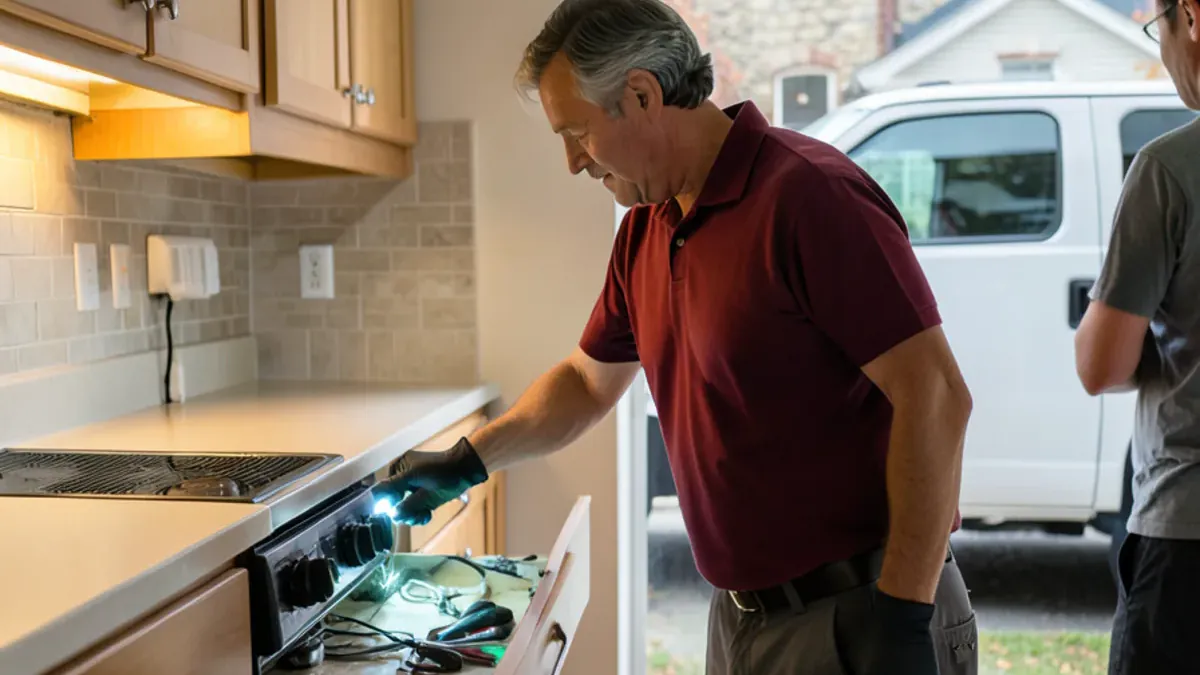
Older Delaware County homes have character, along with more ways in for mice than newer construction. Start with the cellar, seal what you find, and trap what is inside. If you would like a second set of eyes, Thom and his team offer a free inspection and a written plan for your house; call (209) 563-1650.
Sources

Written by the No Bugs Exterminator team
A small, family-run pest control business in Media, PA, led by owner Thom. We write about what we see on inspections in Delaware County and southeastern Pennsylvania. About us.
Services mentioned in this guide
Want a professional opinion?
Book a free inspection and get a written quote before any treatment.
- ★ 4.8 from 21 Google reviews
- Open 7 days, 8 a.m. to 7 p.m.
- Free inspection before treatment
- Family-run, based in Media, PA
Open 7 days, 8 a.m. to 7 p.m.