
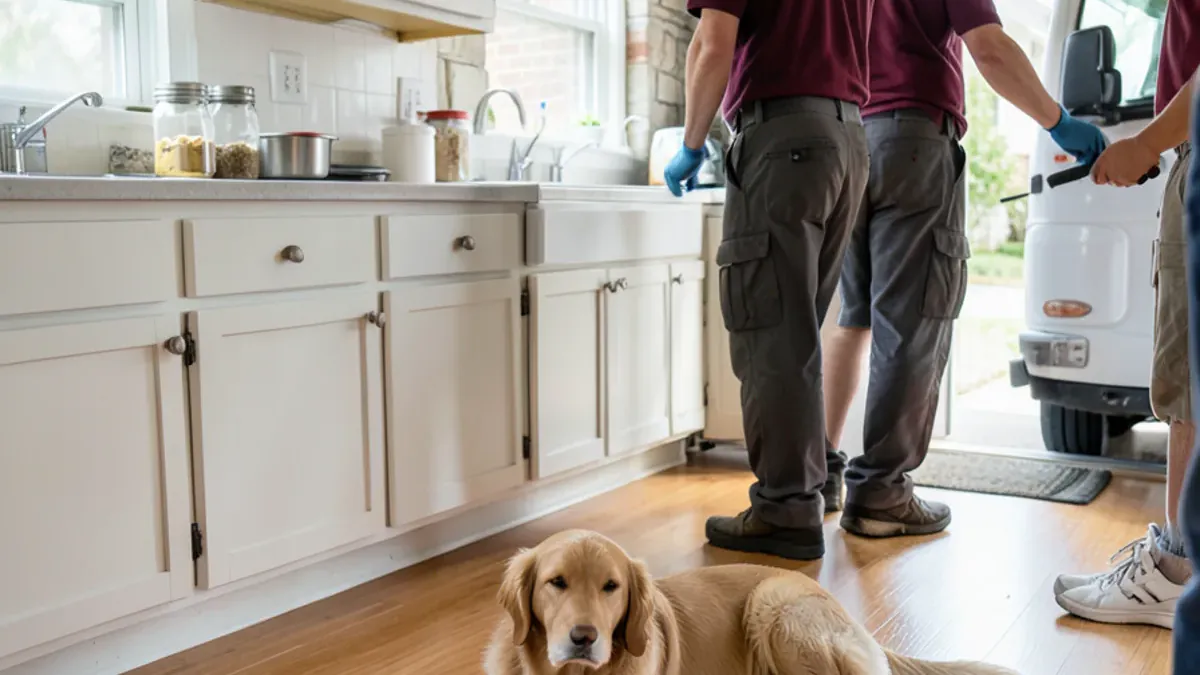
The most effective natural pest control safe for pets and children is not a spray at all: it is cleaning up food and water, sealing the gaps pests use, and changing the conditions that let them breed. Those steps handle most everyday problems on their own.
What does natural pest control safe for pets actually mean?
When they are not enough, a targeted, low-impact treatment can finish the job without coating the rooms where your family and animals spend their days.
In practice, it means putting prevention first and using the smallest, most targeted treatment only where it is needed. Professionals call this integrated pest management, or IPM. It is the same approach Pennsylvania requires in public schools under Act 35 of 2002, which says something about how mainstream it has become.
IPM does not rule out every product. It asks four questions in order: what is the pest, why is it here, what non-chemical changes will fix the cause, and if a treatment is still needed, what is the narrowest one that works?
The everyday habits that do most of the work
Pests need food, water and shelter. Take away any one of them and their numbers drop, no product required.
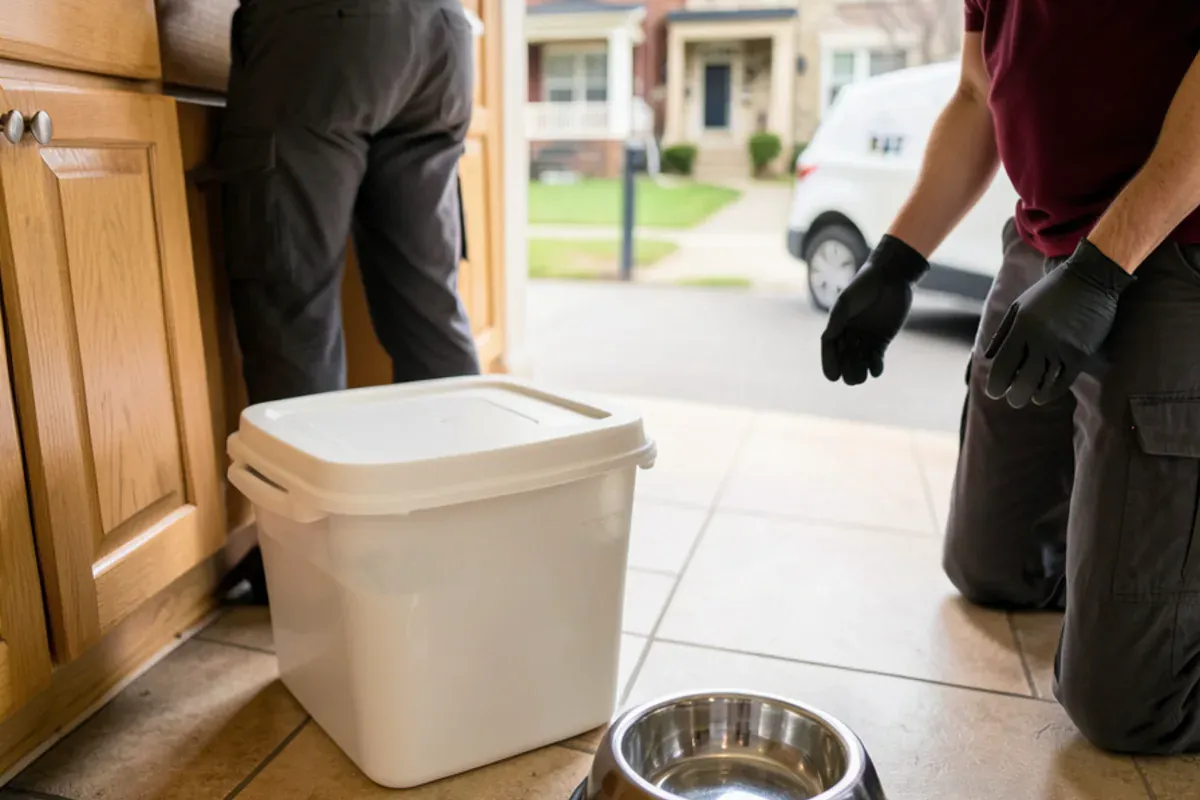
- Store pet food in a sealed bin, and pick up bowls after meals rather than leaving kibble out overnight.
- Wipe counters and sweep under high chairs and kitchen tables daily; crumbs feed ants and cockroaches.
- Fix leaky faucets, sweating pipes and damp basements, since many insects need moisture more than food.
- Seal gaps around pipes, doors and windows; a mouse can slip through an opening about the size of a dime.
- Keep trash and compost bins lidded, and empty kitchen trash every evening.
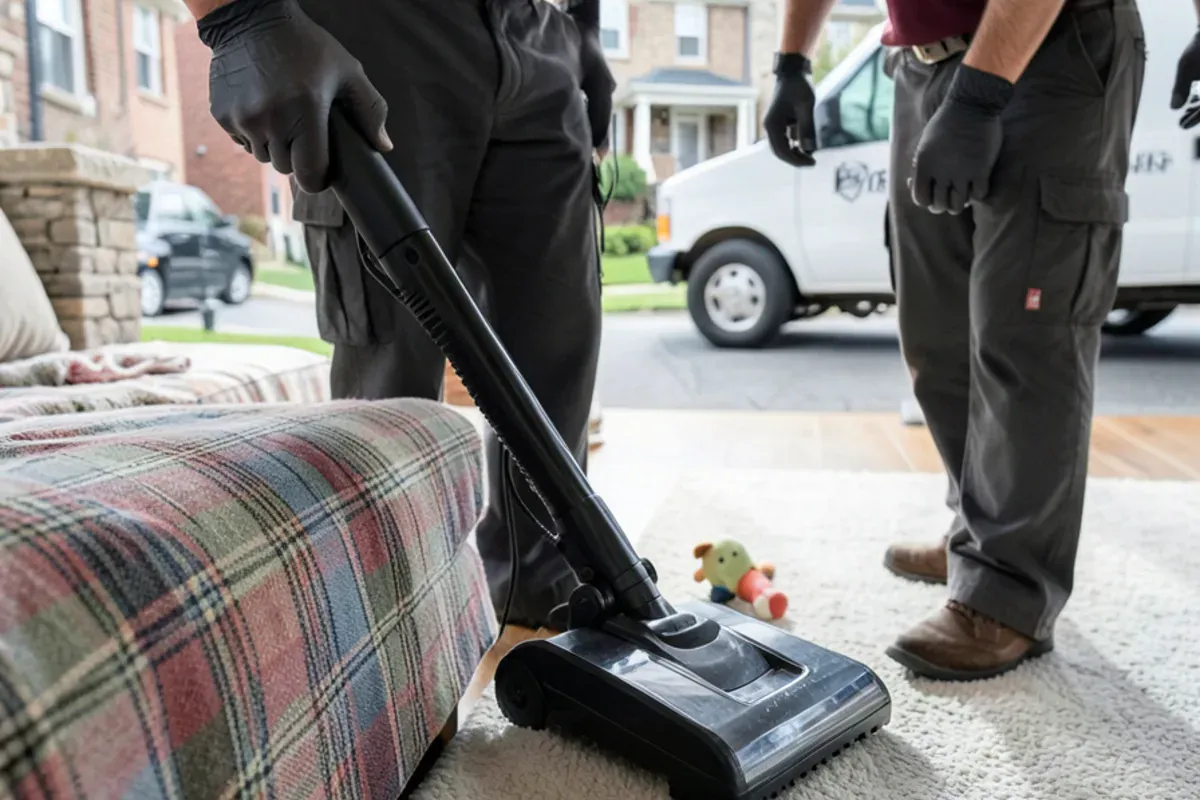
- Vacuum pet beds, rugs and furniture edges often, and wash pet bedding in hot water to break the flea cycle.
- Clear standing water outside, including pet water bowls that sit for days, to cut mosquito breeding.
Diatomaceous earth, essential oils and other green pest control tips: what holds up?
Many natural remedies work a little, in the right spot, for the right pest. Few work as broadly as their reputation suggests. Here is an honest summary.
| Method | Where it helps | Limits to know |
|---|---|---|
| Diatomaceous earth | A thin dusting in dry cracks, wall voids and behind appliances for crawling insects | Slow; useless once damp; avoid breathing the dust and keep it out of open living areas |
| Essential oils | Brief repellent effect on some insects | Short-lived; many concentrated oils are not safe around cats and dogs; ask your veterinarian first |
| Vinegar and soapy water | Cleaning away ant scent trails and killing insects on contact | No lasting effect once dry |
| Ultrasonic plug-in devices | Little reliable effect | Studies have not shown lasting control of rodents or insects |
| Sticky monitors | Showing what pests are present and where | Monitoring tool, not control; place out of reach of pets and small hands |
| Snap traps in covered boxes | Mice, without bait in open areas | Must be placed where pets and children cannot reach them |
Child-safe and pet-safe pest control habits for any product
Whatever you use, including products marketed as natural, the handling matters as much as the ingredient. The label is the legal instruction for any registered pesticide, and the U.S. Environmental Protection Agency publishes guidance on reading it.
Read the whole label first
Check where the product may be used, how much, and how long people and pets must stay away.
Treat cracks, not rooms
Put baits, gels and dusts into cracks and voids instead of spraying floors, rugs or furniture.
Use tamper-resistant stations
Any bait for ants, roaches or rodents should be enclosed so a toddler or dog cannot get at it.
Keep everyone out until it is dry
Follow the re-entry time on the label; move pet bowls, toys and bedding out of the area beforehand.
Lock up storage
Keep every pest product in its original container, up high or in a locked cabinet.
When should you bring in a low-impact treatment?
Some problems do not respond to housekeeping alone: German cockroaches breeding inside walls, carpenter ants in damp framing, fleas that keep hatching from carpet, or mice already nesting in insulation. Waiting usually means more pests and, eventually, more treatment.
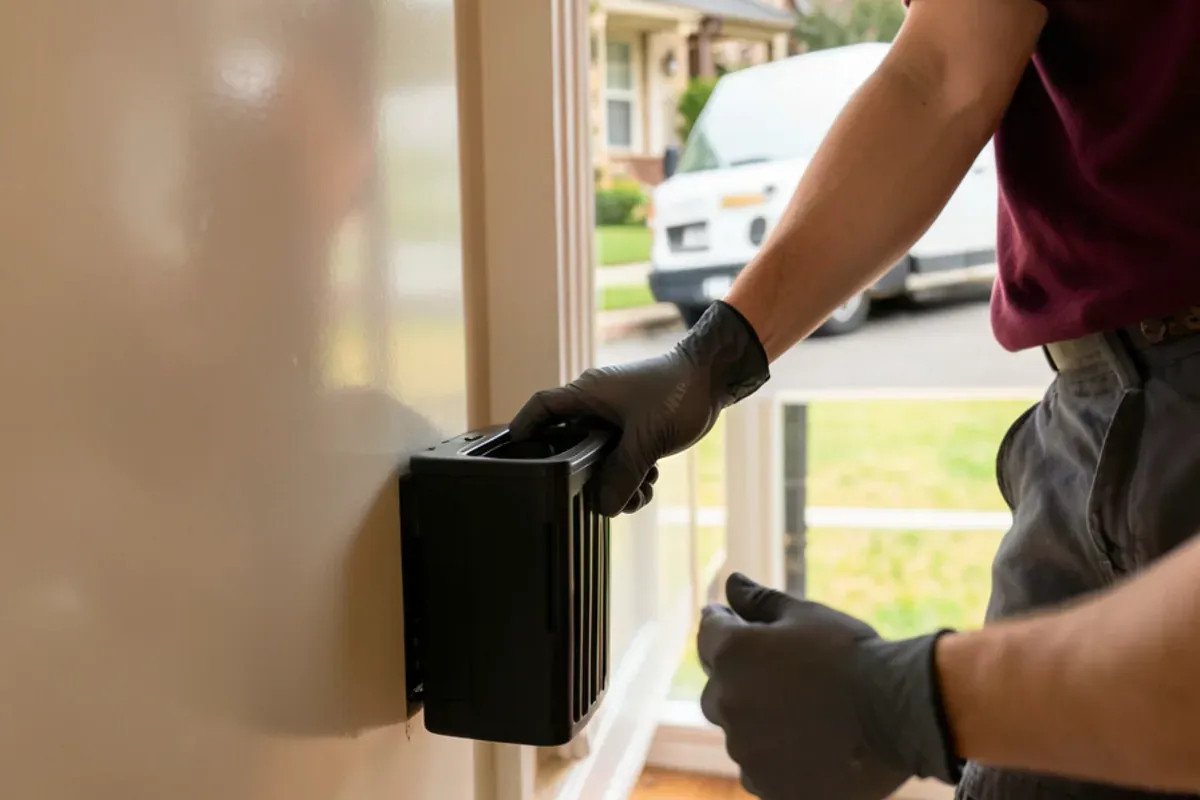
Our eco-friendly pest control service starts with inspection and sealing, then uses targeted baits and crack-and-crevice applications chosen with your household in mind. We will tell you what we plan to use, where, and how long to keep pets and children away. For the full range of what we handle, see our pest control services overview, or book a free pest inspection first.
How we plan visits for homes with kids and pets
When we inspect a home with young children or animals, we start by asking where the kids play, where pets eat and sleep, and whether there are fish tanks, reptiles or birds, which can be far more sensitive than dogs and cats. Those answers shape where we place baits and which areas we leave untreated.
The trade-off we explain most often is bait versus spray. A gel bait placed in a cabinet hinge or behind the stove usually takes a week or two to bring ants or roaches down, which is slower than a spray, but it stays where we put it instead of drifting onto floors, toys and pet bowls. With fleas, we are honest that treating the house only holds if the pet is also on a flea product its veterinarian recommends. Without that, adult fleas keep riding back in and the cycle restarts within weeks.
In Media's older twins and apartments, shared walls mean a problem next door can undo good housekeeping in your unit, so we often focus on sealing the gaps between units. Our Media pest control page covers how we work in the borough.
Quick answers
Is diatomaceous earth safe to use around pets?
Food-grade diatomaceous earth is low in toxicity, but the fine dust can irritate lungs and eyes for people and animals. Use it sparingly in cracks, wall voids and behind appliances rather than spreading it across floors or pet bedding. It also stops working once it gets damp, which limits its value in humid Delaware County basements.
Can I have pests treated while my pets are home?
Often yes, with planning. Most targeted treatments, such as baits in enclosed stations or gels placed in cracks, involve no open spraying in living areas. For any treatment, we explain beforehand which rooms will be treated and how long pets should stay out. Birds and fish tanks need extra care, so let us know about them when you call.
Are essential oil sprays safe to use around cats?
Not always, so check first. Cats process many plant compounds poorly, and concentrated oils such as tea tree can make them ill through skin contact or by breathing a heavy mist. Dogs and birds can react too. Ask your veterinarian before spraying any oil product, and in the meantime rely on cleaning, sealing and enclosed baits, which do more against ants and roaches in a Media-area kitchen anyway.
Do plug-in ultrasonic repellers keep mice and bugs away?
No, not in any lasting way. Independent testing has not shown that ultrasonic devices drive out mice or insects for more than a short time, and sound does not travel through walls, furniture or into the voids where pests live. In older Delaware County twins, mice keep using the same foundation and pipe gaps regardless. Sealing those gaps and setting covered snap traps out of reach of pets does far more.
The bottom line
Clean up food and water, seal the gaps and choose remedies with realistic expectations, and most pest problems shrink without harsh products. When they do not, call (209) 563-1650 and we will set up a free inspection and talk through low-impact options for your household.
Sources
Written by the No Bugs Exterminator team
A small, family-run pest control business in Media, PA, led by owner Thom. We write about what we see on inspections in Delaware County and southeastern Pennsylvania. About us.
Services mentioned in this guide
Want a professional opinion?
Book a free inspection and get a written quote before any treatment.
- ★ 4.8 from 21 Google reviews
- Open 7 days, 8 a.m. to 7 p.m.
- Free inspection before treatment
- Family-run, based in Media, PA
Open 7 days, 8 a.m. to 7 p.m.