
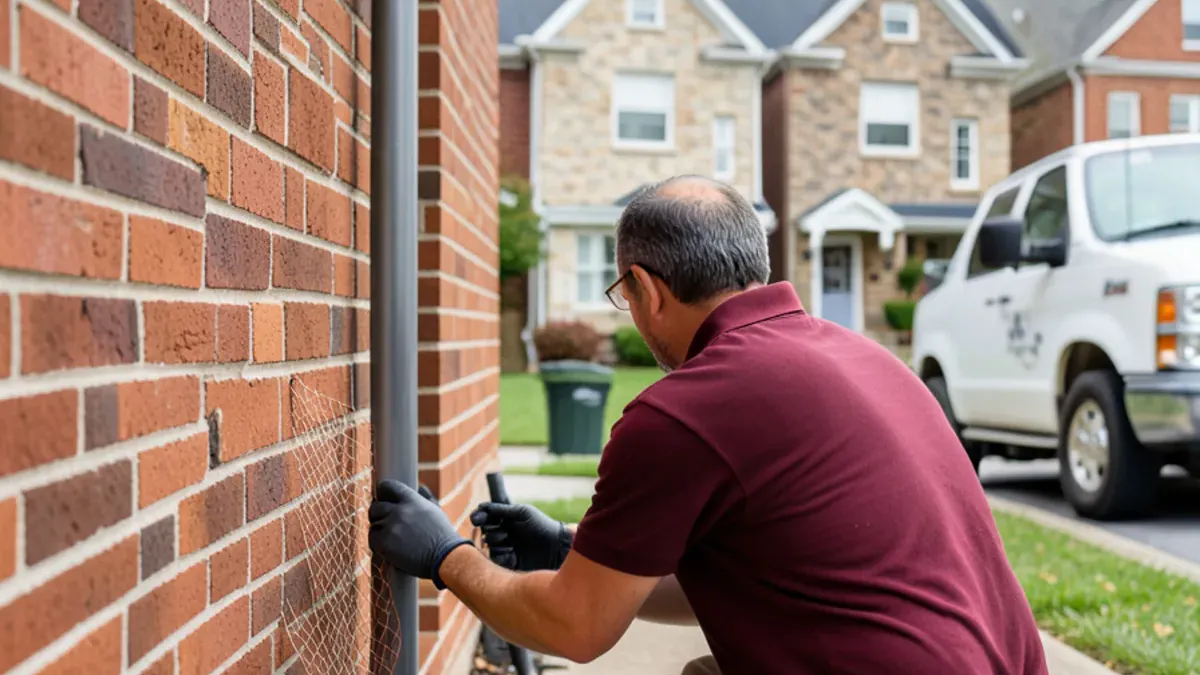
The difference in pest control vs pest prevention comes down to timing. Control removes pests that are already inside; prevention changes the house and yard so the next group cannot get in or settle. Most homes need a little of both, and the balance shifts with the age of the house, the season and what has already moved in.
Two jobs with different goals
Pest control is reactive by design. Something is living in the kitchen, the attic or the walls, and the goal is to bring that population down fast with baits, traps, targeted treatments or a combination. Success is measured in days and weeks: fewer droppings, no more trails, no more bites.
Prevention works on a longer clock. It targets the conditions pests need, such as food, water, shelter and a way in, and its success is measured by what does not happen next season. Nobody notices the mouse that never found the gap under the garage door, which is exactly why prevention is easy to undervalue.
Pest control vs pest prevention, compared
The two approaches use different tools and answer different questions:
| Pest control | Pest prevention | |
|---|---|---|
| Question it answers | How do we get rid of what is here? | How do we keep the next ones out? |
| When it happens | After pests are found | Before the seasonal wave arrives |
| Main tools | Baits, traps, targeted treatments, nest removal | Sealing gaps, moisture fixes, sanitation, perimeter treatment, monitoring |
| Who does most of the work | Mostly the technician | Shared between homeowner and technician |
| How success looks | Activity stops | Activity never starts, or stays low year to year |
| Weak point alone | Pests return if the entry point stays open | Does little against an established infestation |
What is pest prevention in a real house?
Prevention is mostly physical work, and much of it costs a homeowner little more than an afternoon. Going room by room in a typical mid-century Delaware County home, these are the jobs that make the biggest difference:
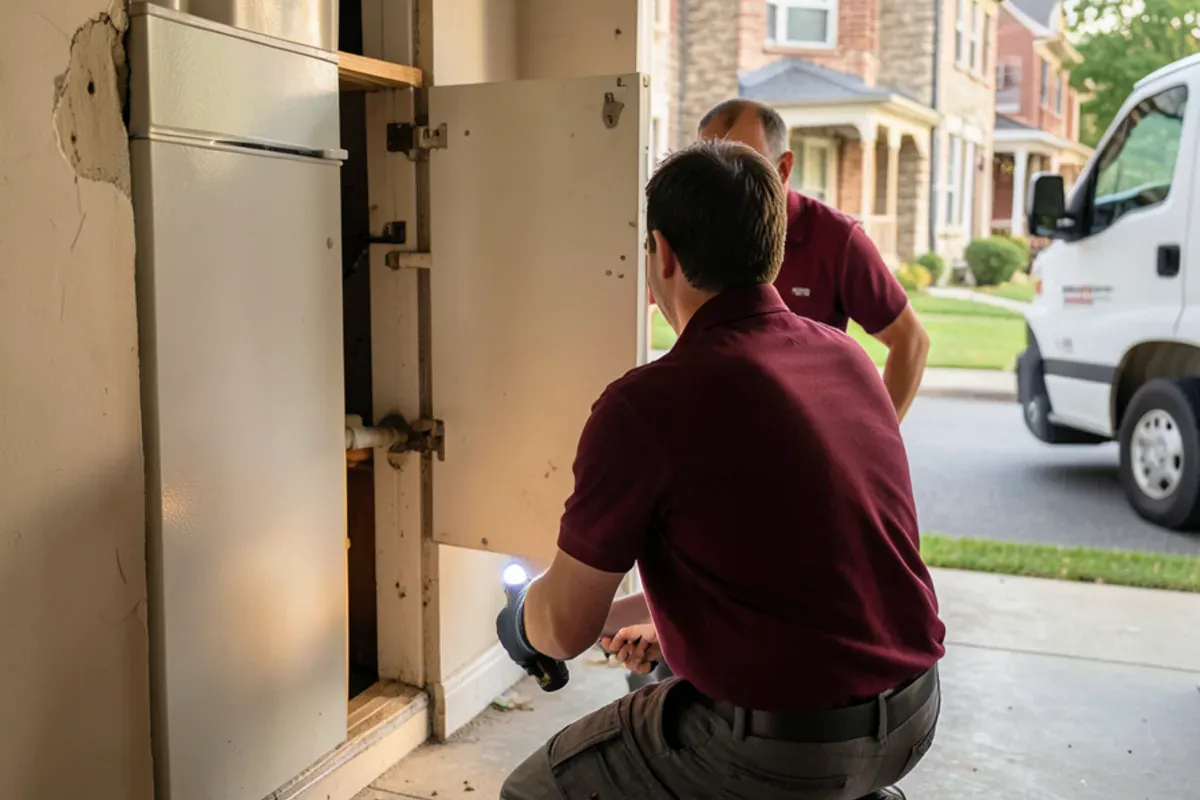
- Kitchen: pull the stove and refrigerator once a season, clean behind them, and seal the gap where the gas or water line enters the wall
- Basement: run a dehumidifier, lift stored boxes off the floor, and caulk where the sill plate meets the foundation
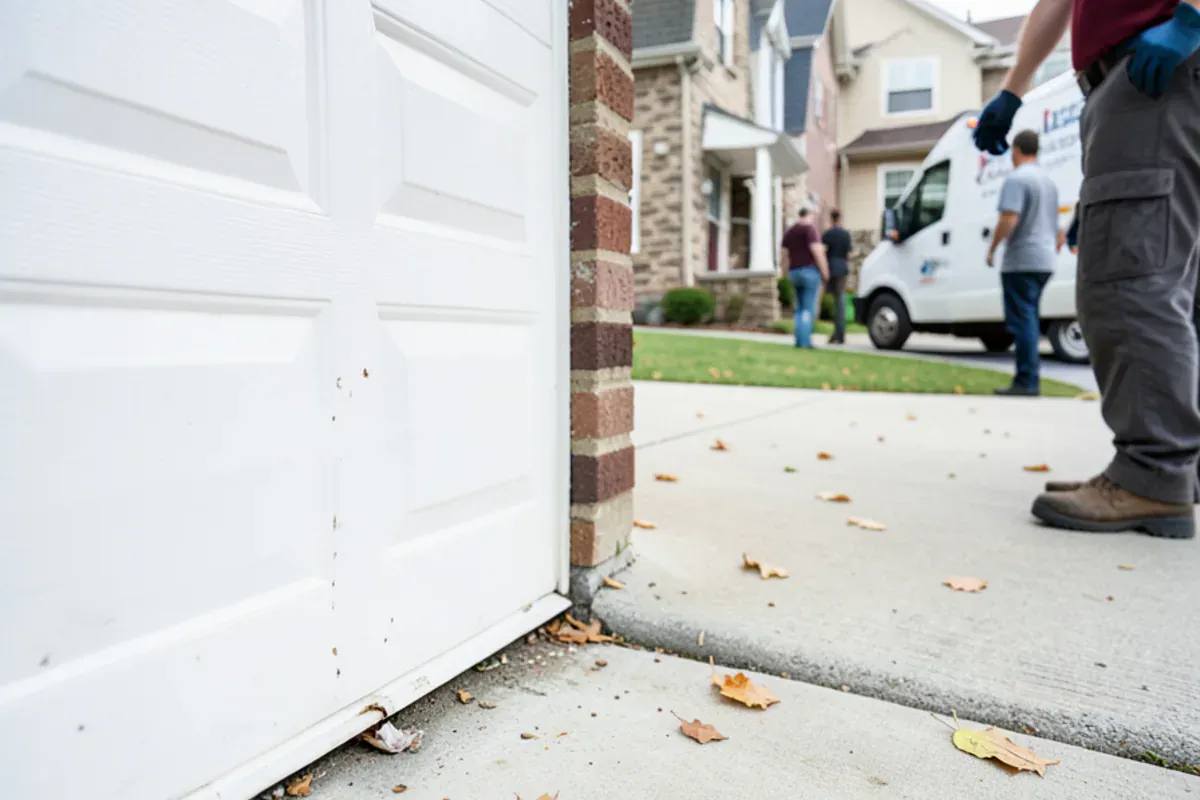
- Garage: add or replace the door sweep and the rubber seal along the bottom edge, which mice chew through
- Exterior: keep mulch a few inches below the siding, trim shrubs off the walls, and store firewood away from the house
- Roofline: clear gutters, screen attic vents, and cut back branches that touch the roof
- Pantry: move flour, cereal and pet food into sealed hard containers
Pest management vs extermination: where IPM fits
Integrated pest management, or IPM, is the framework that ties control and prevention together. Instead of treating on a fixed calendar no matter what, IPM starts with inspection and identification, sets a threshold for when action is warranted, fixes conditions first, and uses the most targeted treatment that will work.
Pennsylvania even built the idea into school law: under Act 35 of 2002, every public school must have an IPM plan and must tell parents and staff before pesticides are applied. The same logic works at home. It is also the thinking behind our eco-friendly pest control options, which lean on exclusion, baits and spot treatments over broad spraying.
How do control and prevention work together?
In practice, a good visit does both in the same trip. When we clear a mouse problem, the traps handle the mice already inside, and sealing the entry points keeps the next ones out. Treating an ant trail without finding the gap it comes through is only half a job.
The order matters. If a population is large, control comes first, because sealing a house with active mice inside can trap them in the walls. Once activity is down, prevention takes over and keeps it there. A quarterly pest control plan is one way to keep that prevention side going without having to remember every seasonal task yourself.
Which pests are mainly a prevention job, and which need control first?
A rough sort helps you decide where to spend the effort. Pests that live and breed outdoors and only wander in are mostly a prevention problem. Pests that breed inside the house need control before prevention can hold.
- Mostly prevention: stink bugs and boxelder bugs looking for winter shelter, crickets and millipedes in damp basements, and the first mice probing a house in October.
- Prevention plus a light treatment: odorous house ants, which nest outside but trail in after rain, and paper wasps that rebuild under the same eave each spring.
- Control first: German cockroaches, bed bugs and an established mouse population, all of which breed indoors and outlast sealing alone.
- Control with long-term protection: subterranean termites, which need a treatment aimed at the colony plus the moisture and wood-to-soil fixes that keep them away.
Can you stop pests before they start without any treatment?
Sometimes. A newer house with tight construction, sealed utility lines and a clean, dry basement can go years with nothing more than the habits listed above. Older homes are harder, because shrinking wood, settling stone and generations of retrofitted wiring and plumbing leave more openings than any homeowner can find alone.
That is where an outside look helps. A free inspection from our team identifies the entry points and conditions that matter in your particular house, and you get a written quote covering whatever control or prevention work it actually needs.
Prevention gaps we find in Media borough homes
When we inspect older houses and walk-up apartments around Media, the openings we find are remarkably consistent: unsealed holes where cable and phone lines were added, gaps under basement doors to the outside, and kitchen pipe chases that run between floors. Each one connects to somewhere pests already live.
In buildings with several units, prevention only works if it covers the shared paths. That is why, when we provide pest control in Media, we ask about neighboring units and common basements before deciding where to seal and treat.
The honest catch with prevention in these homes is that some of the best fixes belong to the owner, not to us. A landlord can approve sealing a pipe chase between floors, but a tenant controls whether crumbs sit under the toaster; a homeowner can extend a downspout in ten minutes, and no treatment does as much for the damp soil beside the foundation. We point those jobs out during the visit and write them down, so the shared work does not depend on memory.
Quick answers
Is preventive pest control just spraying on a schedule?
No. Spraying on a calendar without inspecting is the old model. Real preventive work starts with finding entry points, moisture and food sources, then uses targeted treatments only where the inspection shows they will help. In older Delaware County homes, sealing gaps at the sill plate and utility lines often matters more than any product applied around the outside.
If I do all the prevention myself, will I ever need an exterminator?
Possibly not for the everyday pests, and good habits make every treatment work better. But some pests arrive no matter how tidy the house is: bed bugs come home in luggage, termites travel through soil, and stink bugs find gaps in window frames. Prevention lowers the odds; it does not make a house pest-proof.
What does a free pest inspection look at?
We look at where pests are active now, how they are getting in, and what is attracting them, from the foundation and garage to the kitchen, basement and attic. You leave with a written quote that separates what needs treating today from the prevention steps that will keep it from happening again.
What materials work best for sealing pest entry points?
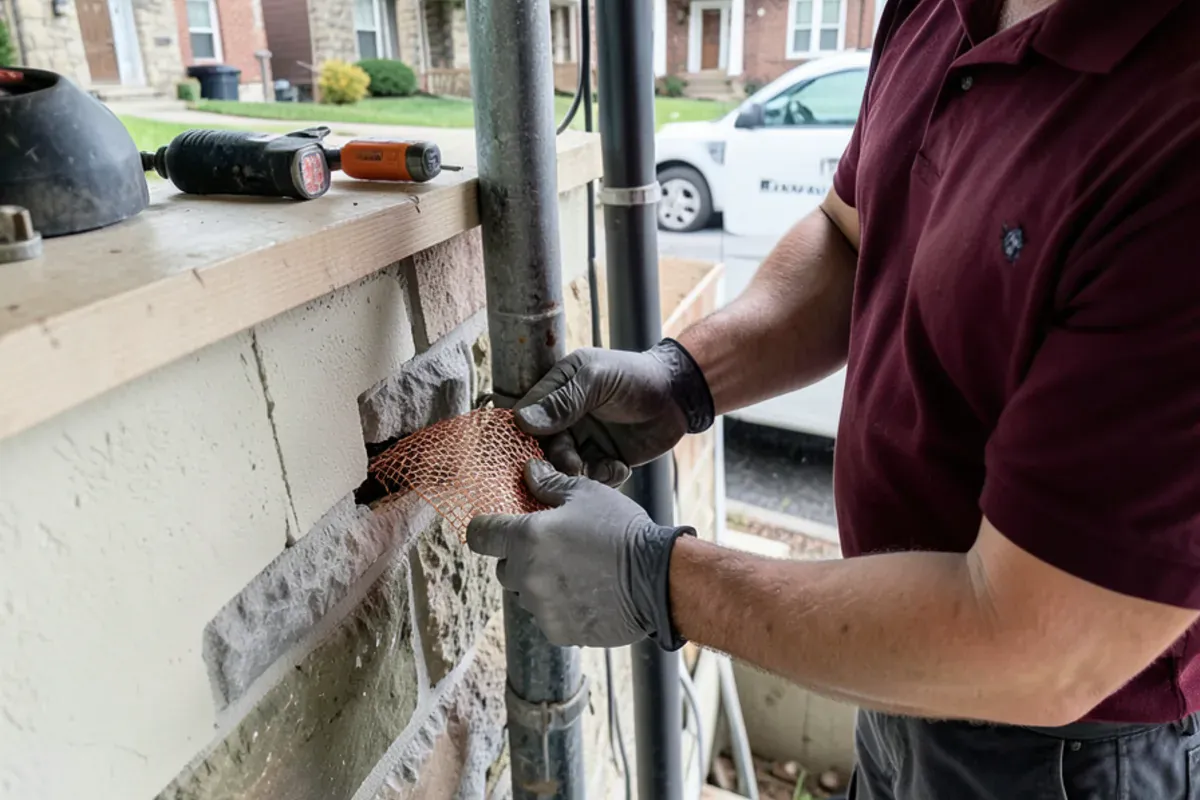
Materials rodents cannot chew. Copper mesh or steel wool packed tightly into a gap, then covered with sealant or mortar, stops mice where foam alone gets gnawed through. Quarter-inch hardware cloth suits vents and crawlspace openings. Door sweeps and garage seals should touch the floor along their full length. In stone foundations common around Media, repointing loose mortar closes gaps no caulk will hold.
The bottom line
Control fixes the problem in front of you, and prevention keeps the next one from starting; neither works as well on its own. If you would like help figuring out the right mix for your home, call (209) 563-1650 and we will start with a look at the house.
Sources

Written by the No Bugs Exterminator team
A small, family-run pest control business in Media, PA, led by owner Thom. We write about what we see on inspections in Delaware County and southeastern Pennsylvania. About us.
Services mentioned in this guide


Want a professional opinion?
Book a free inspection and get a written quote before any treatment.
- ★ 4.8 from 21 Google reviews
- Open 7 days, 8 a.m. to 7 p.m.
- Free inspection before treatment
- Family-run, based in Media, PA
Open 7 days, 8 a.m. to 7 p.m.