
A restaurant pest control checklist works only if the crew can run it in a few minutes at closing and the manager can prove it was done. Inspectors look for live activity, but they also look for the conditions that invite it and the paperwork that shows you are on top of it.
What do health inspectors look for when it comes to pests?
In Pennsylvania, retail food inspections are handled either by the Pennsylvania Department of Agriculture or by a county or municipal health department, depending on where the restaurant sits. Whoever walks through your door, the questions about pests follow a familiar pattern.
They want to see no evidence of live insects or rodents, no droppings, and no gaps that would let pests in from outside. They check that food is stored off the floor and covered, that trash areas are controlled, and that any pest control products on site are approved for food establishments and used by the right people. Many will also ask if you work with a pest control provider and how often service happens.
Below is a zone-by-zone list built around how kitchens in Media and the rest of Delaware County actually get pests.
Your restaurant pest checklist for the back of house
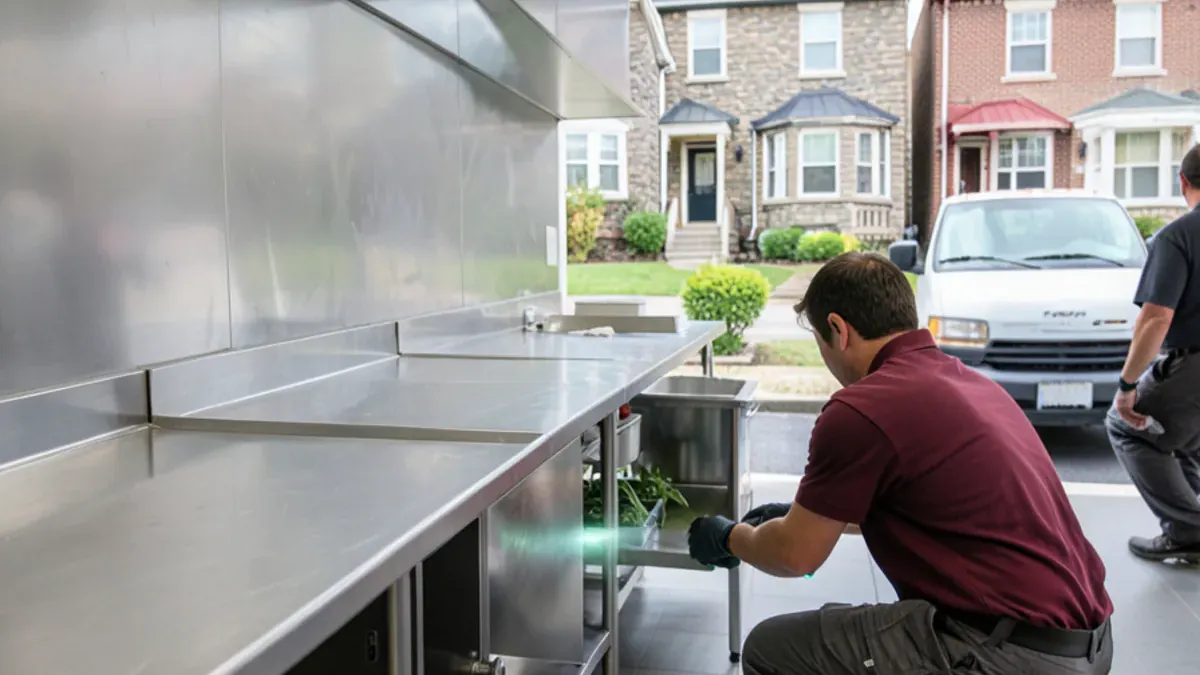
Run through these items at least weekly, and assign each zone to a named shift lead so nothing falls between closers. The kitchen and dish area matter most because German cockroaches need warmth, moisture and grease, and a commercial kitchen supplies all three on every shift.
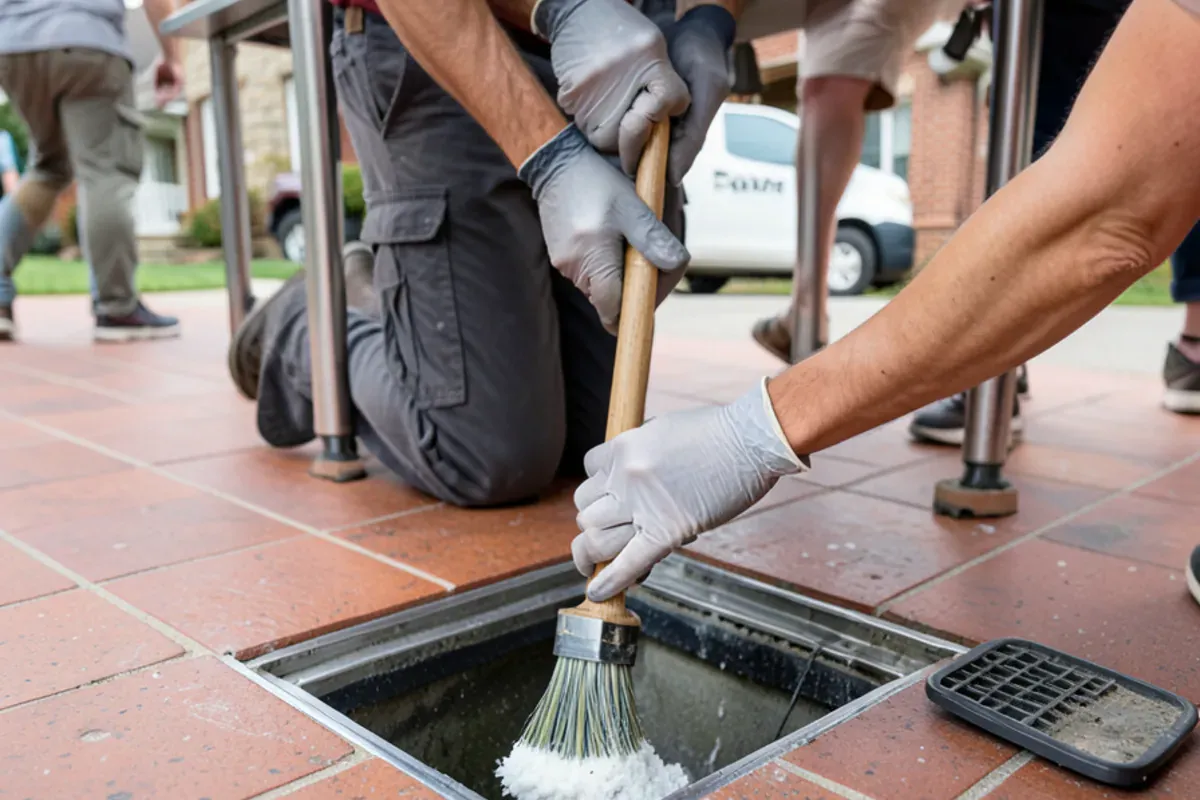
- Floor drains: scrub the drain basket and the first few inches of pipe; organic film inside drains feeds drain flies and hides roaches.
- Under and behind equipment: pull out movable units on wheels and clean the floor and wall behind fryers, ranges and reach-ins.
- Equipment motors and gaskets: wipe down the warm compressor areas of coolers and the door gaskets where crumbs collect.
- Dry storage: keep everything at least six inches off the floor, rotate stock first in, first out, and tape shut torn flour or rice bags or move them to bins.
- Dish station: fix leaks right away and squeegee standing water before close.
- Wall and floor junctions: caulk cracks along coving and around pipe penetrations behind sinks.
- Bar: clean soda gun holders and bar mats nightly; sugar residue draws fruit flies fast.
- Dining room: check booth seams and under host stands, where crumbs build up out of sight.
Deliveries, doors and the dumpster pad
Many restaurant roaches arrive in cardboard. Corrugated boxes hold warmth and give German cockroaches tight spaces to hide and lay egg cases, so unpack deliveries at the back door, inspect the boxes, and break them down for recycling instead of storing them in dry storage.
Doors are the next weak spot. A back door propped open for ventilation during a hot summer service is an open invitation to flies and, after dark, to mice. Install sweeps so no daylight shows under closed doors, keep screens in repair, and use air curtains or self-closing hardware where traffic allows.
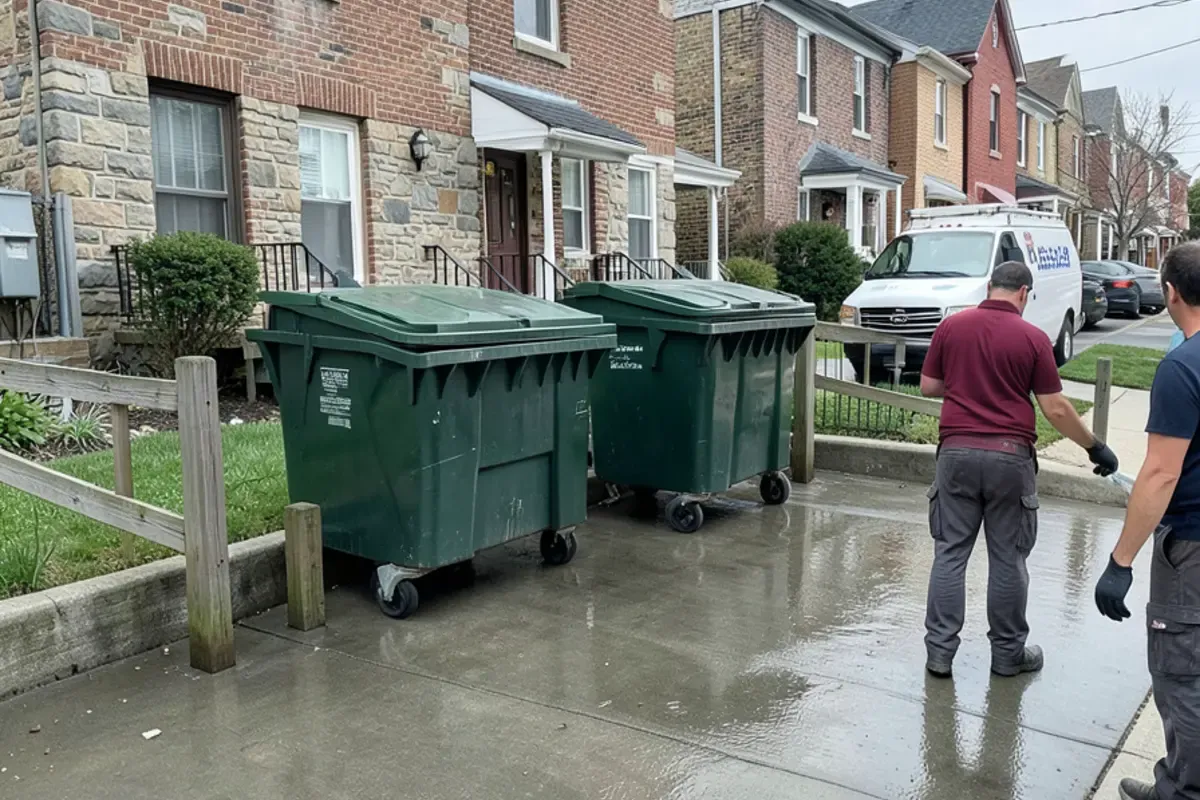
The dumpster pad sets the tone for the whole building. Lids should close, drain plugs should be in, and the pad should be hosed down regularly. A grease bin that overflows or a dumpster parked against the wall gives rats a feeding station right next to your kitchen.
Why does a kitchen pest log matter so much?
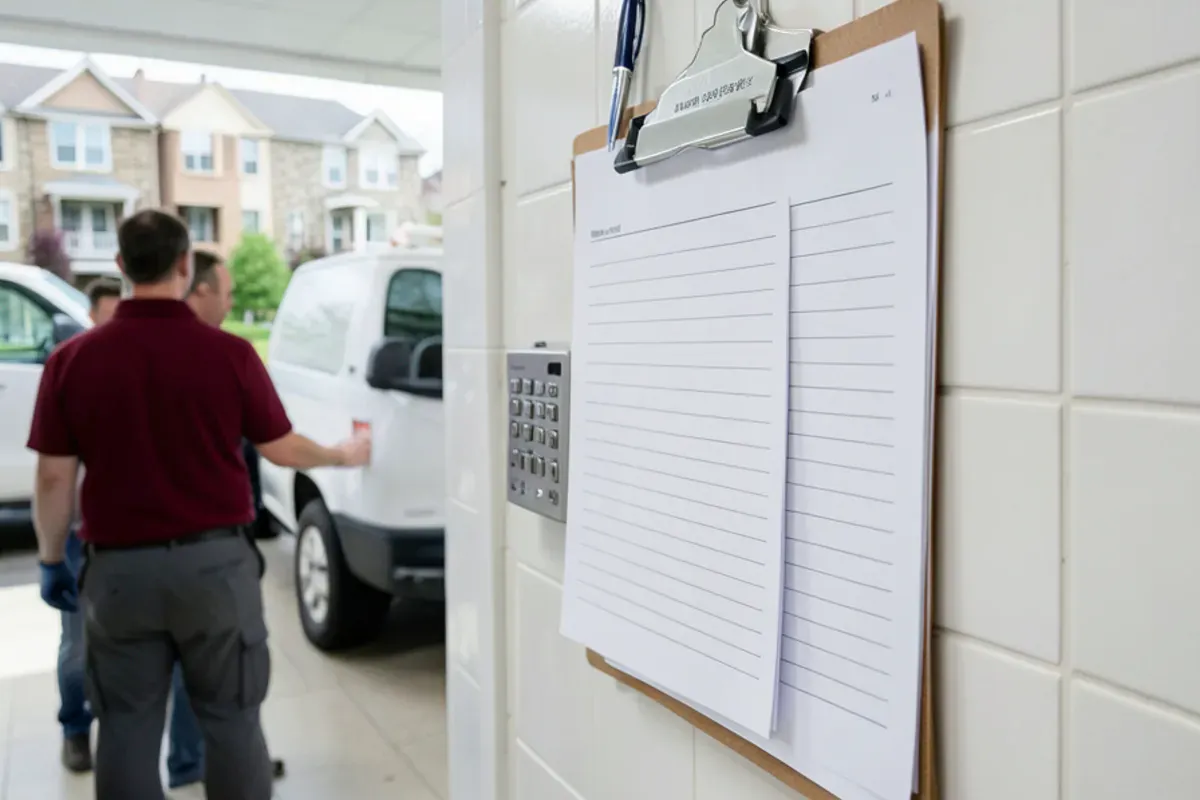
A kitchen pest log is the record that shows an inspector your program is working instead of just existing. It should include every service visit report, a map of where bait stations, traps and monitors sit, the products used with their labels and safety data sheets, and a sightings sheet where staff note what they saw, where and when.
Sightings sheets only work if employees use them. Keep the clipboard near the time clock, keep the form to four columns, and make it clear nobody gets in trouble for reporting a roach. Ten honest notes about the dish area are worth more than a blank page that suggests nothing was ever seen.
Review the log after each service visit. If the same station keeps catching mice, that tells the technician where to look for an entry point. If fruit flies show up on the sightings sheet every Monday, the bar drains probably need attention on Sunday night.
Restaurant roaches and flies: what to do the day you see them
Seeing one roach during service is a warning, not a crisis, but it should change what happens that night. Note the spot in the log, clean and inspect the area after close, and call your provider so they can check before the population builds.
Avoid grabbing a store-bought spray. Repellent sprays push German cockroaches deeper into equipment and walls, and many consumer products are not labeled for use in food areas at all. Flies follow the same rule: find the breeding source, which is often a drain, a mop sink or a forgotten produce box, before reaching for anything else.
Our restaurant pest control service is built around scheduled visits after hours or between services, written reports for your log, and monitoring placed where kitchen staff will not knock it out of position.
What we find in commercial kitchens around Media
Many restaurants along State Street and Baltimore Pike sit in older mixed-use buildings with apartments or offices overhead. When we inspect these spaces, roach trouble often traces to shared plumbing chases and walls rather than to anything the kitchen did wrong, so the conversation with the landlord matters as much as the treatment.
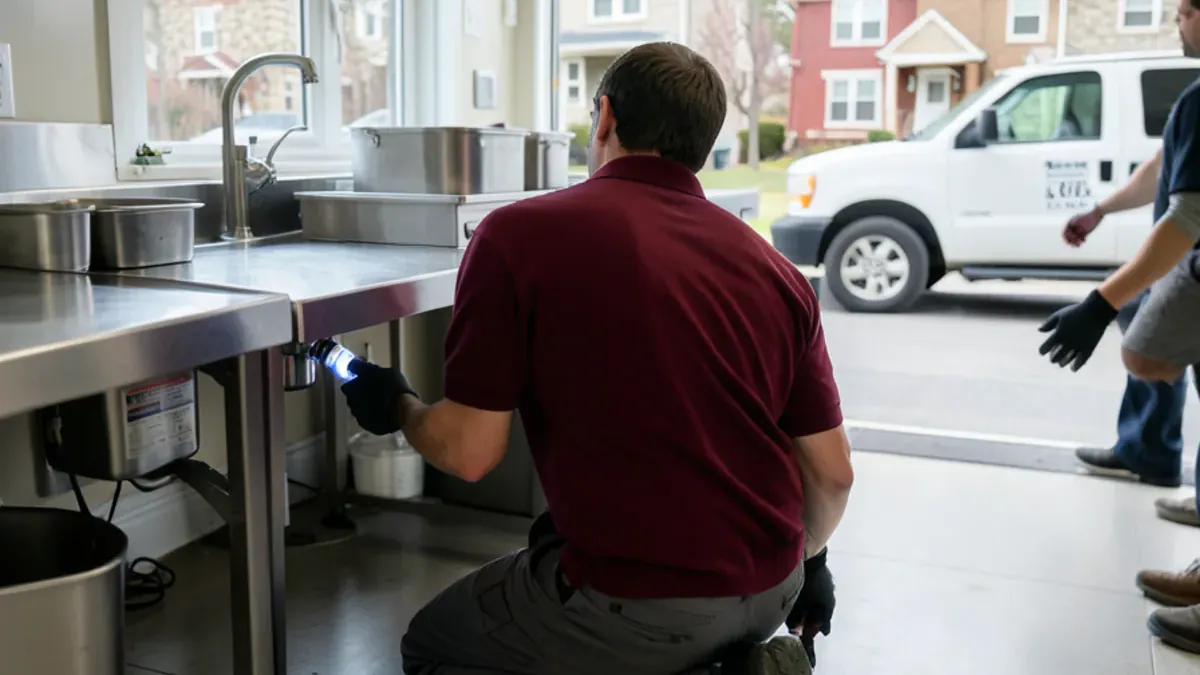
We also see the same hot spots again and again: the hollow legs of prep tables, the gap under a dish machine, and the void behind a wall-mounted hand sink. Those are the first places we look, and they are good places for your closing crew to check with a flashlight once a week.
If you run a food business in Media or nearby, our team is close by; see what we do in Media, PA.
Quick answers
How often should a restaurant have pest control service?
Most restaurants do well with monthly service, and busy kitchens with older buildings or a history of German cockroaches may need visits every two weeks for a while. The right interval depends on volume, building age and what the logs show. After a free inspection, we write a quote that sets the visit schedule around your hours so service never interrupts a dinner rush.
Can a pest problem shut down a restaurant in Pennsylvania?
It can. Food safety regulators have the authority to order a facility closed when they find conditions such as active rodent or roach infestations that pose an imminent health hazard. Closures are usually lifted once the problem is corrected and the facility is re-inspected. This is general information, not legal advice; your inspecting agency can explain its own procedures.
What should staff do if a guest reports a bug at the table?
Stay calm, apologize, replace the dish and remove the plate from service. If you can, capture the insect on clear tape or in a sealed bag so it can be identified, then write the table, time and what was seen on the sightings sheet. After close, pull the booth or banquette away from the wall and check its seams with a flashlight, and call your provider the next morning.
Are glue boards and fly lights enough for a restaurant?
No. Both are monitoring tools that show what is active and where, not a control program. Fly lights belong away from food prep and should not be visible from an outside door, or they pull flies in from the alley. Glue boards under equipment tell you which corner the roaches or mice favor. The control still comes from drain cleaning, door sweeps, sealing and targeted treatment.
The bottom line
A restaurant pest control checklist does its job when it becomes routine: clean the hiding spots, control the doors and dumpster, and keep a log that tells the story. If you want a provider who works around your service hours and leaves records an inspector can follow, look at our commercial pest control programs and ask Thom and his team for a free inspection.
Sources
Written by the No Bugs Exterminator team
A small, family-run pest control business in Media, PA, led by owner Thom. We write about what we see on inspections in Delaware County and southeastern Pennsylvania. About us.
Services mentioned in this guide
Want a professional opinion?
Book a free inspection and get a written quote before any treatment.
- ★ 4.8 from 21 Google reviews
- Open 7 days, 8 a.m. to 7 p.m.
- Free inspection before treatment
- Family-run, based in Media, PA
Open 7 days, 8 a.m. to 7 p.m.