
Are house centipedes bad? On their own, not really: they are fast, alarming to look at and almost harmless to people, and they spend their nights hunting other household bugs. The trouble is what a steady stream of them tells you about your house, namely that it has damp spaces and enough insects to feed a predator.
Meet the house centipede
Here is how to read the signs and decide whether to live with them or do something about it.
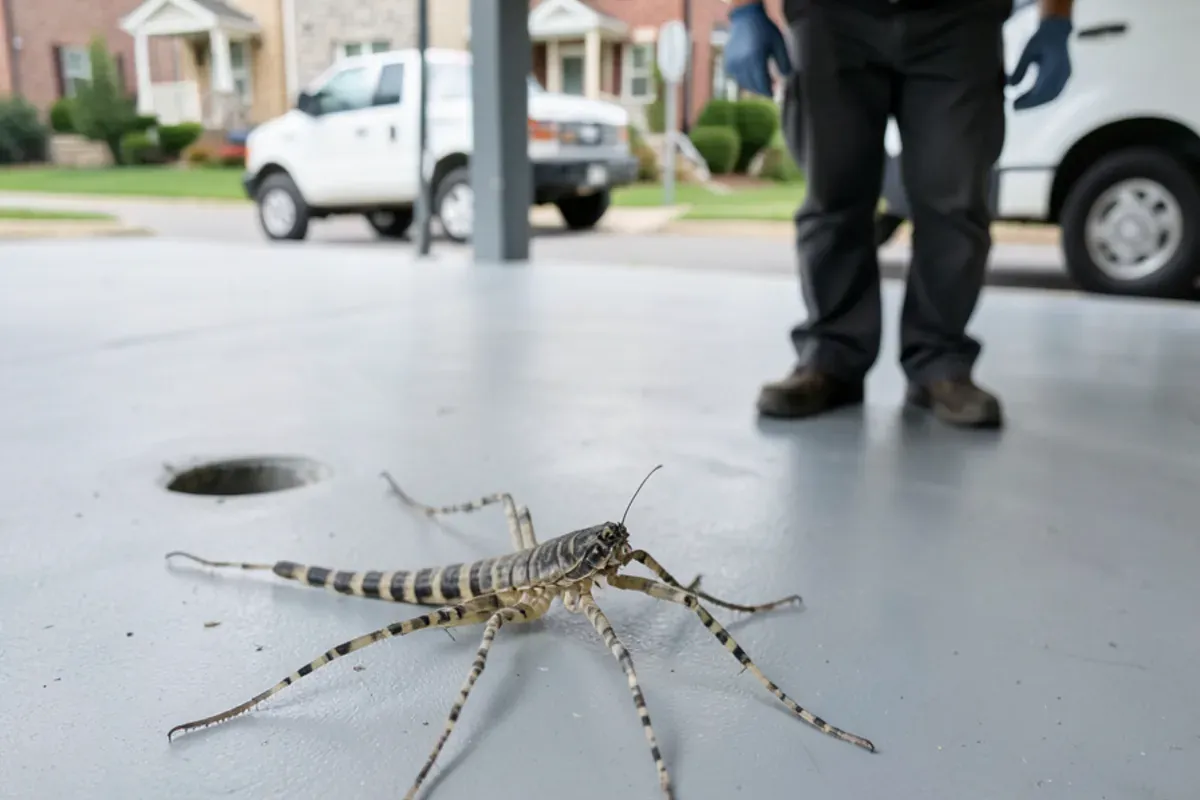
The house centipede is the long-legged, yellowish-gray creature that darts across the basement floor or appears in the bathtub at night. Adults have 15 pairs of very long legs, two long antennae in front and a matching pair of long legs at the rear that make it hard to tell which end is which. They can run surprisingly fast for their size.
Unlike most centipedes, this species can live its whole life indoors. It likes cool, humid places: basements, crawlspaces, bathrooms, laundry rooms and the space under a utility sink. It hides by day under boxes, in floor drains and behind baseboards, then comes out after dark to hunt.
House centipedes are also long-lived for a household arthropod, often surviving several years. Young ones hatch with only a few pairs of legs and add more with each molt, so finding small, short-legged centipedes is a sign they are breeding in the house.
The case for leaving them alone
House centipedes are predators, and their menu is a list of pests most people would rather not have. They catch prey with their legs and venomous front claws, then eat it on the spot. That steady hunting means a few centipedes in a basement are doing some free pest control.
- Silverfish and firebrats, which damage paper, book bindings and starchy fabrics
- Young cockroaches
- Spiders and spider egg sacs
- Carpet beetle larvae, which chew wool and natural fibers
- Termite swarmers and ants that wander indoors
- Bed bugs, though centipedes will never control an infestation
So when are house centipedes bad news?
One centipede in the bathroom every few weeks is not a problem. Seeing several a week, finding them upstairs in bedrooms, or spotting young ones in different sizes means a breeding population has settled in, and that population needs two things to survive: moisture and food.
The moisture side often points to a real building issue, such as a damp basement, a leaky foundation wall, a dryer vent that dumps humid air into a crawlspace, or a bathroom without a working exhaust fan. The food side means other insects are living in the house in numbers you are not seeing. When we find lots of centipedes, we usually also find silverfish, spiders or roaches in the same areas.
Do house centipedes bite people?
House centipede bites are rare. They are not aggressive and would much rather run. A bite usually happens only when someone grabs or traps one, such as pressing it against skin while picking up a towel. The jaws of a house centipede are small and often cannot pierce thick skin.
When a bite does occur, people commonly compare it to a mild bee sting, with brief pain and local swelling. Anyone who has trouble breathing, swelling of the face or throat, or another severe reaction should call 911 or seek medical care right away.
Why basement centipedes keep showing up in bathrooms
Centipede in bathroom sightings usually trace back to the basement. Floor drains, tub drains and gaps around plumbing that runs between floors give them a path upward, and bathrooms offer the humidity they crave. They also fall into slick tubs and sinks while hunting and cannot climb back out, which is why you so often find them stuck there in the morning.
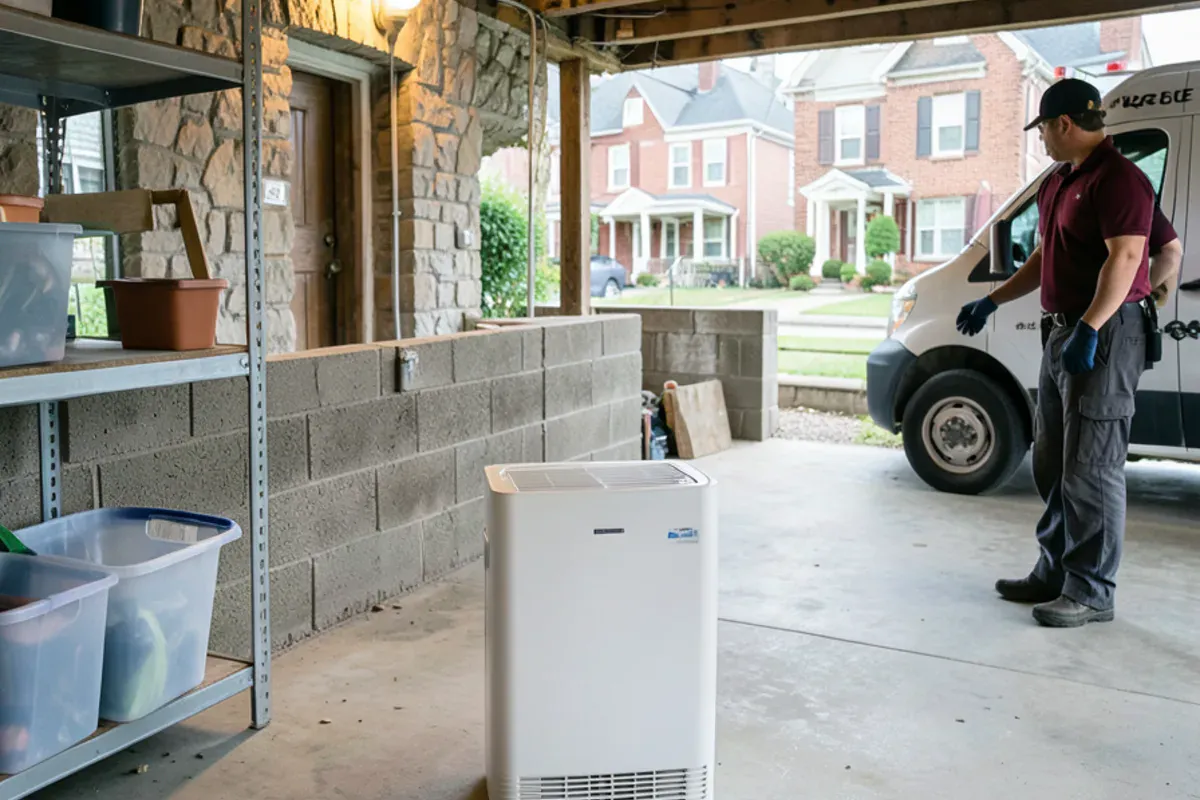
The fix starts below. Running a dehumidifier in the basement to keep humidity around 50 percent, sealing gaps around pipes, and moving cardboard boxes off the floor onto shelves all make the space less livable for centipedes and their prey.
How to get rid of centipedes for good
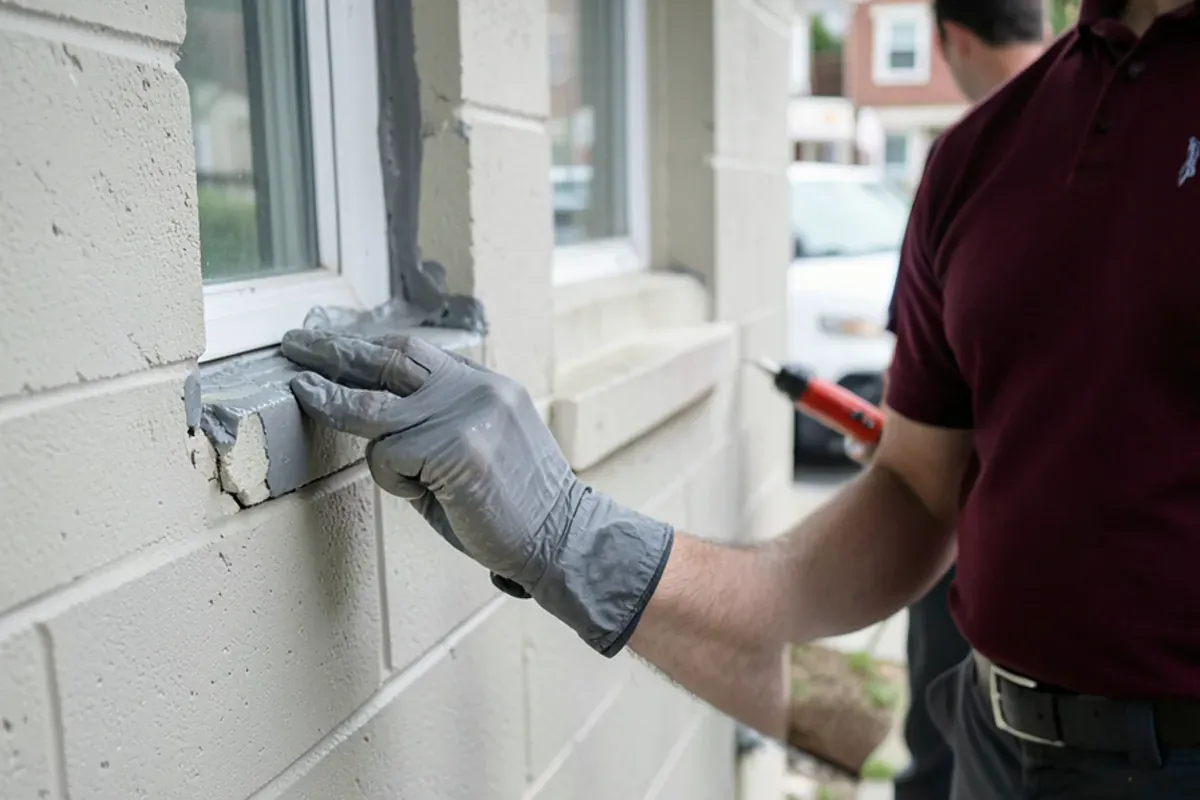
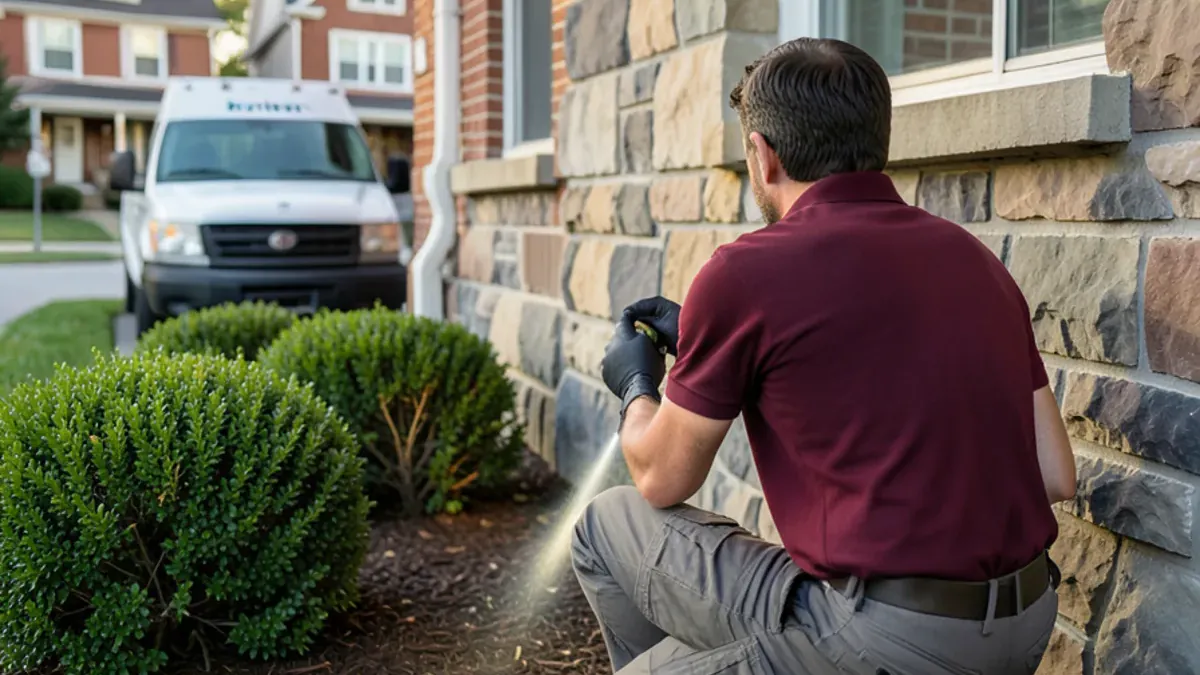
Spraying the centipede you see does almost nothing, because the population lives in hiding. Lasting control means changing conditions: reduce moisture, remove clutter where they hide, seal cracks along the foundation and around basement windows, and clear leaf litter, mulch and stored wood from against the outside walls.
Then deal with the food supply. If silverfish or spiders are present, those need attention too; our silverfish control service often goes hand in hand with centipede work. Targeted treatments at entry points and in voids help when populations are high, and our centipede and millipede control pairs that work with moisture and sealing recommendations.
Centipede calls we get around Media and the Ridley Creek area
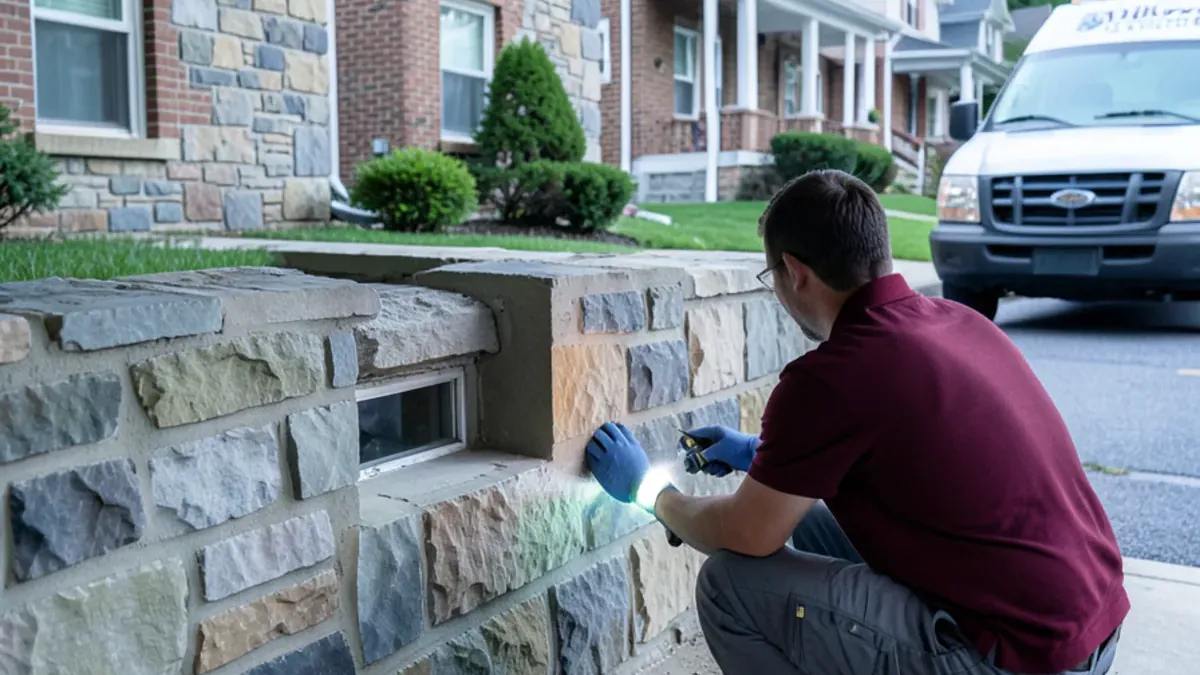
Many homes in and around Media were built in the 1950s and earlier, and Census (ACS) estimates put the borough's median build year at 1959. When we inspect these basements, the pattern is familiar: fieldstone or block walls that wick moisture after heavy rain, a sump or floor drain, and a stack of cardboard boxes that turns into a centipede hotel.
We are honest with homeowners that treating for centipedes alone is rarely the best use of a visit. A treatment along the foundation and in basement voids can knock numbers down for a few weeks, but if the basement still sits at 65 percent humidity and the silverfish under the boxes are untouched, the centipedes return to the food. We would rather spend that time finding the prey insects and the gaps they use. And if a household is comfortable with one centipede a month in the laundry room, that is a reasonable choice, and we will say so.
Homes on wooded lots near Ridley Creek see more centipedes in late summer and fall, when outdoor populations move toward foundations. In those houses, we focus first on the exterior perimeter and basement window wells, where leaf debris holds moisture right against the wall.
Quick answers
Should I kill house centipedes or leave them?
If you see one occasionally, leaving it alone is reasonable, since it is eating silverfish, spiders and other pests. If you see them often or upstairs, that is the time to act, not by chasing individual centipedes but by drying out the basement and sealing gaps. In older Media-area homes with stone foundations, moisture control usually makes the biggest difference.
What attracts house centipedes into a home?
Moisture and food. Damp basements, leaky pipes, poorly vented bathrooms and crawlspaces give them the humidity they need, and other insects give them something to eat. Clutter such as cardboard boxes and stored clothing on basement floors adds hiding places. During a free inspection we look for those conditions and for the prey insects that keep centipedes around.
Are house centipedes dangerous to cats or dogs?
Generally, no. Pets often chase and sometimes eat house centipedes, and the worst outcome is usually a mild nip on the nose or paw with brief swelling. If a pet shows vomiting, facial swelling or unusual behavior afterward, call your veterinarian. The more useful concern is what a steady centipede population means: a damp basement and other insects, which are worth fixing in older Media-area homes.
How long do house centipedes live?
Several years, which is unusually long for a household pest. Females lay eggs in damp cracks, soil and debris, and the young start with only a few pairs of legs, gaining more with each molt until they reach the adult 15 pairs. Because adults live so long, a basement population can persist for years once moisture and prey are steady, which is why drying and sealing work better than one-time sprays.
The bottom line
House centipedes are more messenger than menace: a few are helpful, and a lot of them point to dampness and hidden insects. If they have become a regular sight, explore our insect control services or call (209) 563-1650 to have Thom and his team take a look.
Sources

Written by the No Bugs Exterminator team
A small, family-run pest control business in Media, PA, led by owner Thom. We write about what we see on inspections in Delaware County and southeastern Pennsylvania. About us.
Services mentioned in this guide
Want a professional opinion?
Book a free inspection and get a written quote before any treatment.
- ★ 4.8 from 21 Google reviews
- Open 7 days, 8 a.m. to 7 p.m.
- Free inspection before treatment
- Family-run, based in Media, PA
Open 7 days, 8 a.m. to 7 p.m.