
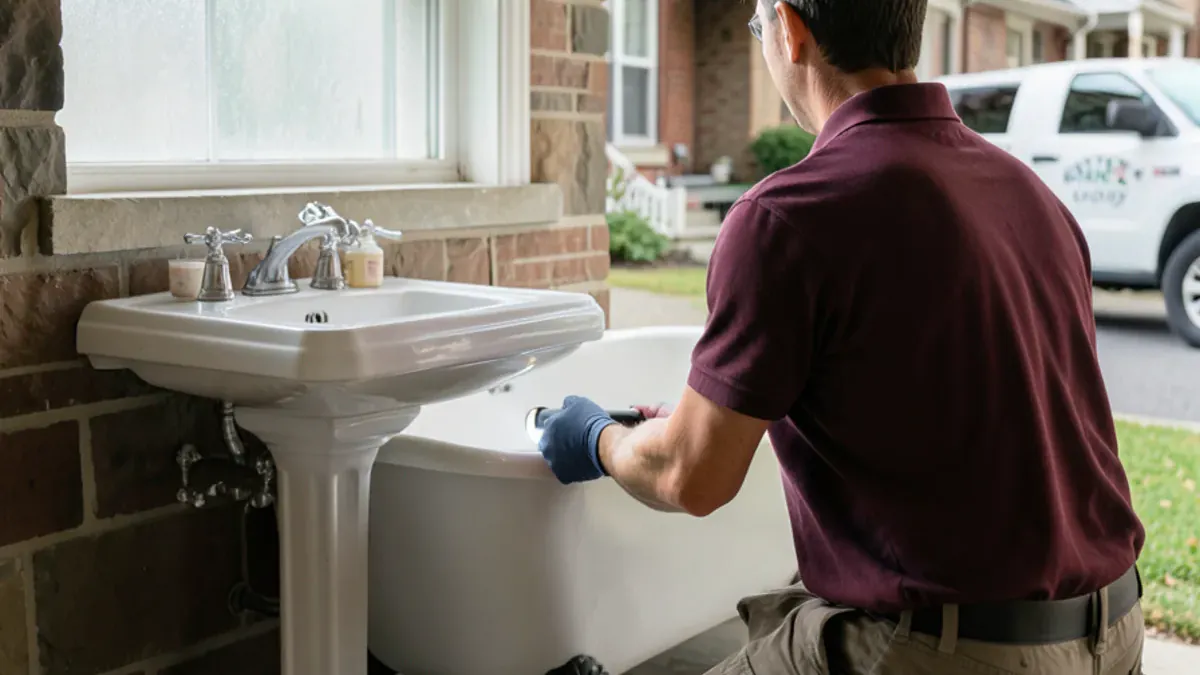
Signs of silverfish in the bathroom, basement and bookshelf
Silverfish are nocturnal, so most people meet them by accident: one darting across the tub at night, or a few stuck in a sink they could not climb out of. They are about half an inch long, carrot-shaped and silvery-gray, with three bristly tails and long antennae.
Timing narrows it down. Sightings that rise in late spring and peak through the humid summer, nearly always after dark, point to silverfish in a damp room, while year-round sightings beside the boiler or water heater suggest firebrats instead.
The damage they leave is easier to spot than the insects themselves. Look along stored paper and fabric for these clues:
- Ragged holes or scraped-thin patches on book pages, wallpaper and cardboard boxes
- Yellowish stains and tiny black droppings that look like ground pepper
- Shed silvery scales or cast skins on shelves and in drawers
- Loosened wallpaper seams where they fed on the paste behind them
- Activity clustered near tubs, laundry sinks, sump pits and basement storage
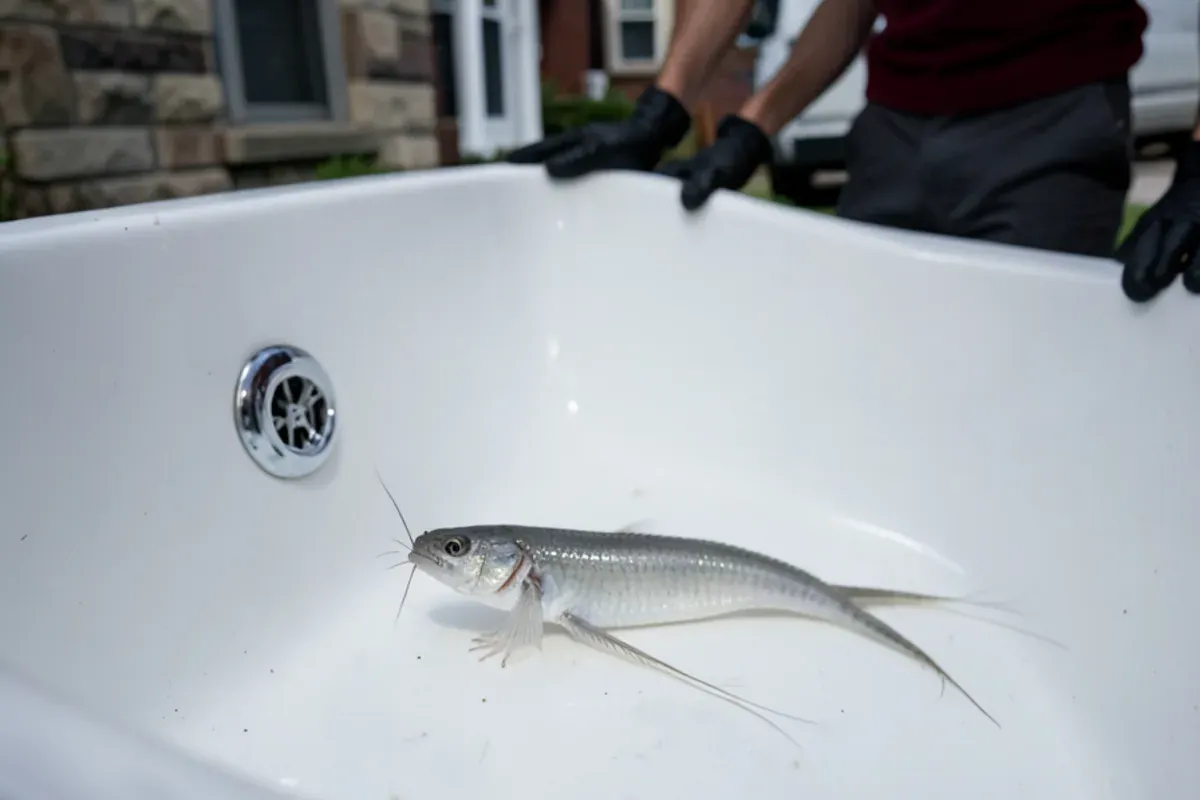
Why do older Delaware County homes hold so many silverfish?
Silverfish thrive at roughly 75 to 95 percent relative humidity and room-to-warm temperatures, which describes a lot of Delaware County basements from June through September. Census (ACS) estimates put the median home in Media at 1959, in Swarthmore at 1949 and in Lansdowne at 1943. Houses of that age often have fieldstone or block foundations that wick ground moisture, bathrooms with little or no exhaust fan, and plaster walls with gaps behind the trim.
Their diet suits older homes too. Silverfish eat starch and cellulose: book bindings, wallpaper paste, starched linens, cardboard, crumbs and even household dust. A basement full of stored boxes is food and shelter in one place.
Firebrats are a close relative that seeks heat instead of damp. In Pennsylvania homes we find them near boilers, water heaters, dryer vents and the warm side of a chimney. The treatment overlaps, but the inspection targets different rooms.
How a silverfish exterminator inspection follows the moisture
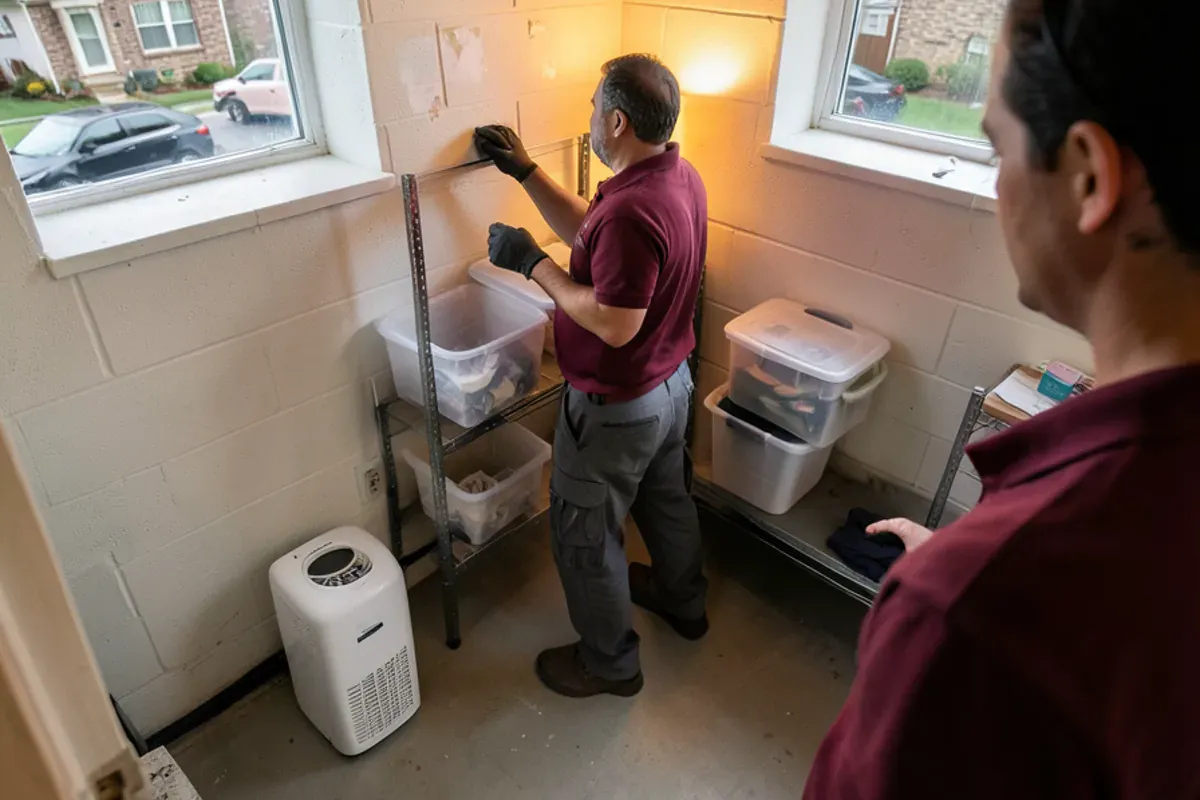
We start where you have seen them, then work outward to the damp and warm spots that feed the population. That means under bathroom vanities, around tub access panels, along basement sill plates, inside stored boxes, behind the washer, and in the attic if insulation or a roof leak holds moisture.
We also rule out look-alikes. A fast insect with many long legs is usually a house centipede, which hunts silverfish; our centipede and millipede control page covers that one. Tiny beetles in the flour or cereal point to a stored-food problem that our pantry pest control service handles instead. The free inspection ends with a written quote that lists moisture problems separately from treatment.
Ways to get rid of silverfish, and the trade-offs of each
Most homes need a combination. Store-bought sprays hit the silverfish you can see and miss the population behind the baseboard.
| Option | What it does | Trade-off |
|---|---|---|
| Moisture correction (dehumidifier, exhaust fan, leak repair) | Removes the humidity silverfish need to survive and breed | Slow on its own; adults can live for months while the space dries out |
| Desiccant or insecticidal dust in voids | Reaches wall voids, sill gaps and spaces behind trim where they hide | Applied lightly and only inside voids; no instant visible change |
| Crack-and-crevice residual treatment | Targets baseboards, pipe chases and shelving edges | Works as they cross treated surfaces; constant dampness shortens how long it lasts |
| Baits made for silverfish | Draws feeding insects to a placed product | Useful in storage rooms; weaker where other food is plentiful |
| Sticky monitors | Shows where activity is heaviest and whether it is falling | A measuring tool, not a cure |
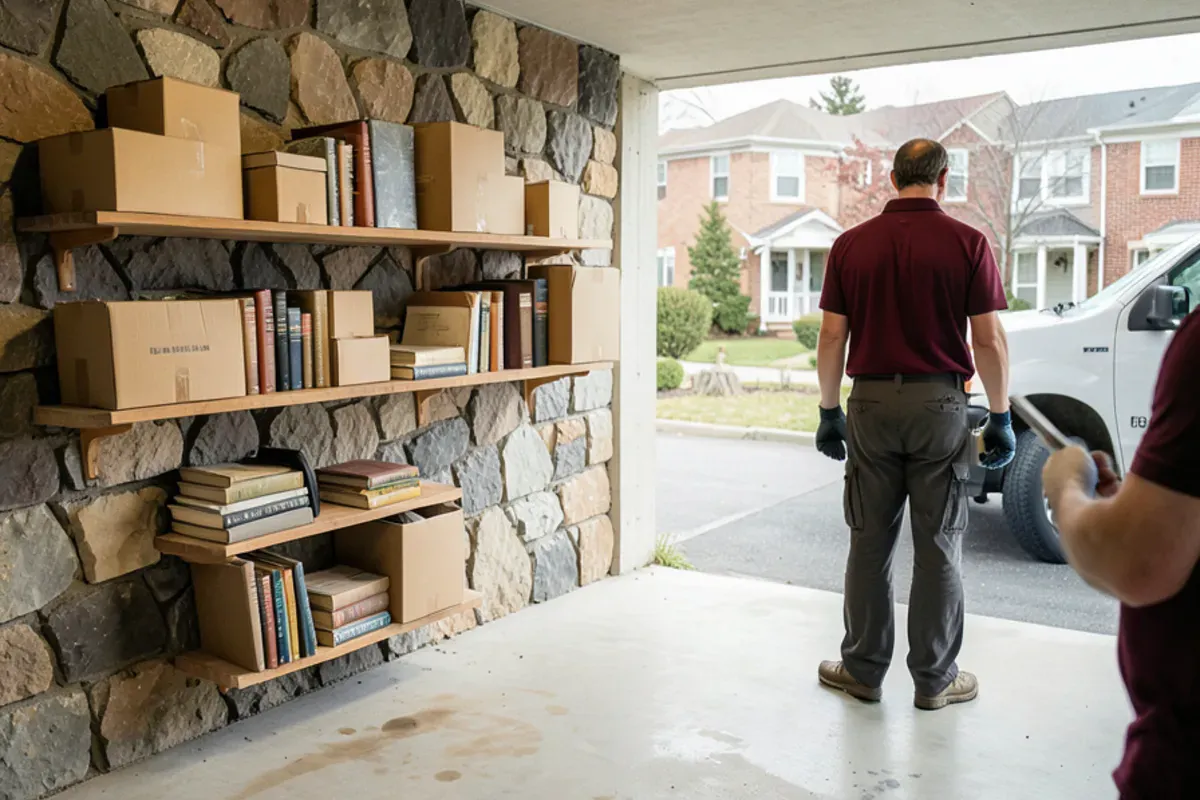
The silverfish visit, step by step
Walk-through and questions
You show us where and when you see them. Night sightings in one bathroom tell a different story than daytime sightings across the basement.
Moisture and harborage check
We look under sinks, around tubs, at the sill plate and through storage, noting leaks, missing exhaust fans and boxes stacked against foundation walls.
Written quote
You receive a written quote covering treatment plus the moisture items you can fix yourself or hand to a plumber or contractor.
Targeted treatment
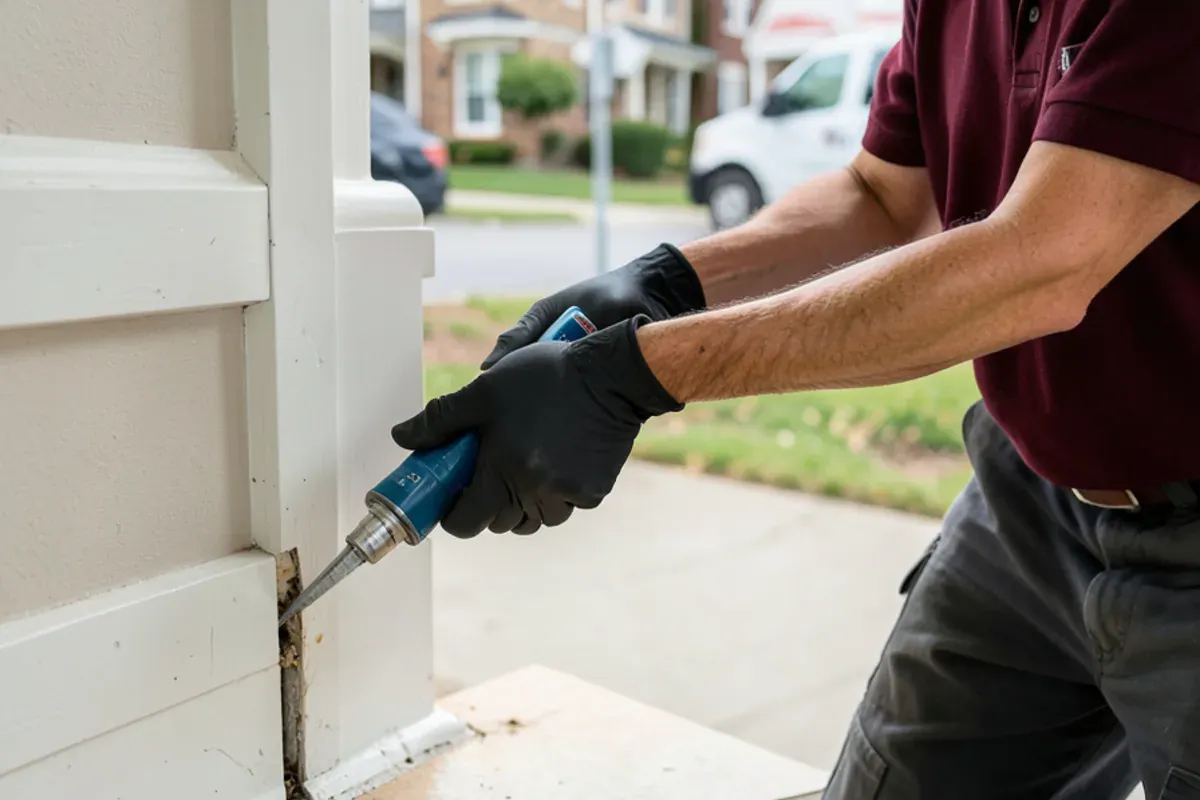
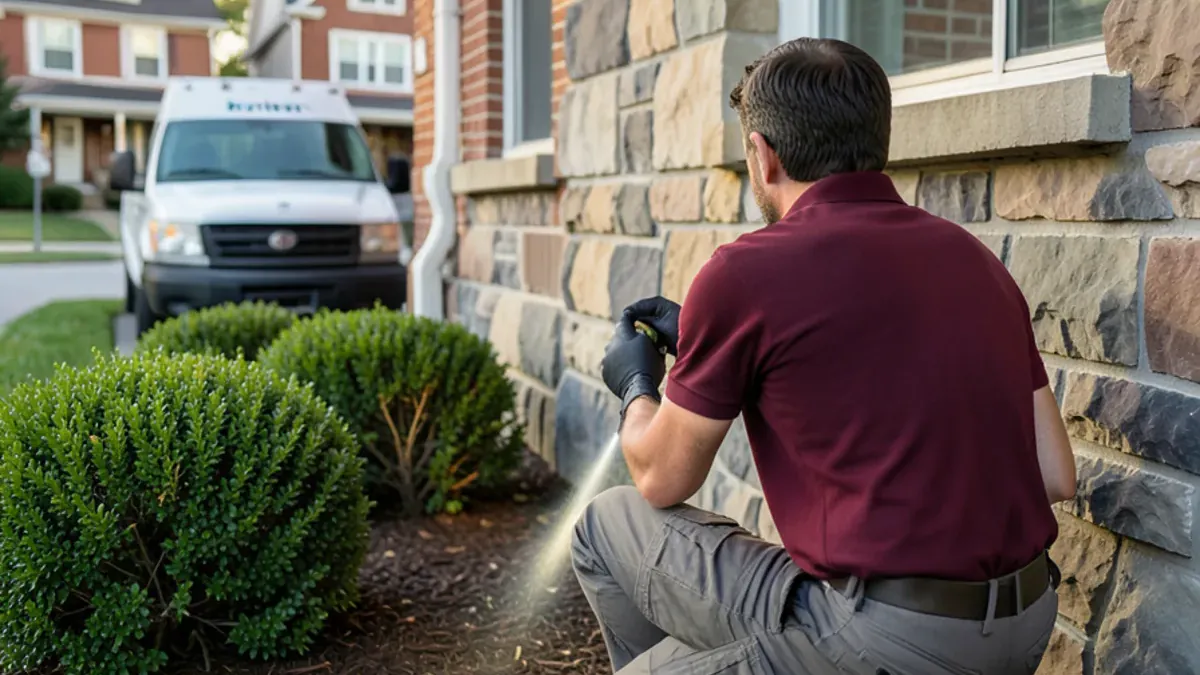
We apply dust into voids and a crack-and-crevice treatment along baseboards, pipe penetrations and shelf edges, keeping product off open surfaces.
Monitors placed
Sticky monitors go into the hot spots so both of us can see whether numbers drop between visits.
Follow-up check
When the quote includes it, we return to read the monitors and retreat any area that is still active.
Talk to us about silverfish control
Call and speak with Thom or his team. The inspection is free, and you get a written quote before any treatment.
- ★ 4.8 from 21 Google reviews
- Open 7 days, 8 a.m. to 7 p.m.
- Free inspection before treatment
- Family-run, based in Media, PA
Open 7 days, 8 a.m. to 7 p.m.
Timeline: the first month of silverfish control in PA
Expect to see a few silverfish for two to four weeks after treatment, sometimes moving more than usual as they cross treated surfaces. Eggs hidden in cracks keep hatching, and young silverfish grow slowly, so the monitors tell you more than any single sighting.
If you dry out the space at the same time, numbers usually fall steadily. If a leak or unvented bathroom stays wet, they return.
What changes the cost of silverfish treatment?
Around Media and the older boroughs nearby, the house itself sets most of the scope. A Lansdowne or Swarthmore home with a fieldstone basement, plaster walls and decades of stored boxes takes longer to inspect and treat than a newer house with a poured, finished basement. Firebrats beside an old boiler add a second treatment zone in the furnace room, and an unvented bathroom on an upper floor may need its own attention.
Storage counts as well. A basement lined with cardboard, books and old papers has to be shifted so we can reach the sill plate and the base of the walls, and the more you sort and bag ahead of time, the simpler the visit.
Nothing is billed without a quote you have seen first. To set up the free inspection, call (209) 563-1650.
- How many rooms and floors show activity
- Whether firebrats near heating equipment are part of the job
- How many stored books, papers and boxes must be moved or sorted
- Access to wall voids, crawlspaces and attic areas
- Whether follow-up visits are included
- Moisture repairs you handle yourself versus leave in place
Pesticide Law and Code Permits Behind Silverfish Fixes
Silverfish dusts and crack-and-crevice products are pesticides, and applying them for pay in Pennsylvania falls under the Pesticide Control Act of 1973. The Pennsylvania Department of Agriculture (PDA) licenses the business and certifies the applicator, and 7 Pa. Code § 128.31 requires the company's license number on its service vehicles. Product labels decide which voids a dust may go into and keep it out of open living space.
The moisture fixes can carry rules of their own. Wiring in a new bathroom exhaust fan or cutting a new roof or wall vent may need a permit from your municipality's code office under the Pennsylvania Uniform Construction Code, and in a rental the lease usually says who arranges repairs. Check before the work starts. This is general information, not legal advice.
Keeping silverfish from coming back
- Run a basement dehumidifier and aim for humidity below about 50 percent
- Use the bathroom exhaust fan during and after showers, or have one installed
- Move books, papers and photos out of cardboard and into sealed plastic bins
- Keep stored boxes off the floor and away from foundation walls
- Fix dripping supply lines and seal gaps around pipes under sinks
- Vacuum shelves and closet corners where crumbs, dust and lint collect
What our silverfish control includes
- Free inspection of bathrooms, basement, laundry area, storage and attic
- Identification of silverfish versus firebrats
- Written quote with moisture problems listed separately
- Dust treatment of accessible wall voids and sill gaps
- Crack-and-crevice treatment along baseboards and pipe chases
- Sticky monitors in active areas
- Storage and humidity checklist for prevention
Why call No Bugs Exterminator for silverfish control
Media-based family business
Thom and his team work out of Media, a short drive from the older stone and plaster homes where silverfish turn up most.
Inspection before any price
A free inspection comes first, followed by a written quote that separates treatment from the moisture fixes.
Evening and weekend hours
We are open 7 days, 8 a.m. to 7 p.m., so you can book a visit without taking a weekday off.
Every household insect
Bed bugs are our specialty, but silverfish, firebrats and the house centipedes that hunt them are routine work for Thom and his team in homes and businesses.
Where we provide silverfish control
Silverfish calls come most often from the county's older housing. In Lansdowne and East Lansdowne, where Census (ACS) estimates put median build years in the late 1930s and early 1940s, stone basements and plaster walls hold dampness. Swarthmore homes near the Crum Woods add shade and humidity, and walk-up apartments above shops in Media often share old bathrooms and pipe chases.
- Rutledge
A tiny planned borough whose homes have a 1938 median build year, with old stone and block basements that hold summer humidity.
- Upper Darby Township
Block after block of rowhomes built around 1948 have shared basements and small bathrooms without exhaust fans, ideal silverfish habitat.
- Wayne
Victorian houses in this rail suburb carry plaster walls, wallpaper and attic storage that silverfish feed on, and any roof leak adds the moisture they need.
- St. Davids
Homes and rentals near Eastern University and Lancaster Avenue, many from the 1950s, see silverfish in stored books and damp laundry rooms.
- Linwood
Older homes near Route 13 with a 1947 median build year often have unsealed basements where silverfish and firebrats share the furnace room.
- Yeadon
Twin homes running toward Cobbs Creek pair creek-side humidity with shared basement walls that let silverfish spread between houses.
- Trainer
Riverfront homes near the Delaware hold damp air most of the summer, and older basements there give silverfish steady moisture.
- Haverford Township
Havertown basements near Darby Creek's wooded banks, many from around 1950, stay humid long enough for silverfish to breed through the summer.
- Drexel Hill
Brick twins with 1949-era bathrooms and finished basements full of stored boxes give silverfish both damp air and paper to eat.
What customers say on Google
4.8 out of 5 from 21 reviews on Google. Quoted as written by customers.
No Bugs Exterminator is the best I have seen. The owner is the nicest person in the world, he doesn’t rush anything, and is very thorough in job.
Excellent service, very professional and friendly! Most importantly the results gave me peace of mind! Highly recommended!
Very happy with the service, they helped me quickly to control the problem.
Silverfish Control: common questions
What attracts silverfish to older homes?
Moisture and paper. Older homes tend to have damp stone or block basements, bathrooms without exhaust fans and gaps behind plaster and trim. Add stored cardboard, books and wallpaper paste, and silverfish have humidity, food and hiding spots in one place. In Delaware County the humid stretch from June to September is when populations grow fastest, so that is when most homeowners first notice them.
Do silverfish damage books and clothing?
Yes, though slowly. They graze on the starch in book bindings, paper sizing, wallpaper paste and starched or soiled cotton and linen, leaving irregular holes, thin patches and yellow stains. They rarely ruin something overnight, but boxes of papers or photos left in a damp basement for a season can be badly marked. Moving keepsakes into sealed plastic bins is the simplest protection.
Will a dehumidifier stop silverfish?
It helps a lot, but usually not alone. Dropping basement humidity below about 50 percent makes the space hostile to silverfish and slows breeding. Adults already living in the walls can survive for months, though, and a basement dehumidifier does nothing for a leaking tub drain upstairs. We pair drying out the space with targeted treatment of voids and baseboards so numbers fall faster.
What is the difference between silverfish and firebrats?
Firebrats look similar but are mottled brown-gray and seek heat rather than damp. You find them near boilers, water heaters, furnaces and dryer vents, where temperatures can run near 90 degrees, while silverfish favor cooler, humid bathrooms and basements. The difference changes where we inspect and treat, which is why we confirm which one you have during the free visit.
How long until I stop seeing silverfish?
Most homes see a clear drop within a few weeks, with occasional stragglers for a month or more. Eggs tucked into cracks keep hatching after treatment and silverfish mature slowly, so a few sightings are expected. The sticky monitors placed during the visit show whether numbers are actually falling, which is a better gauge than one insect in the tub.
Related services

Helpful guides from our blog
Ready to get rid of the problem?
Thom and his team serve Media, Delaware County and southeastern Pennsylvania, open 7 days, 8 a.m. to 7 p.m..
- ★ 4.8 from 21 Google reviews
- Open 7 days, 8 a.m. to 7 p.m.
- Free inspection before treatment
- Family-run, based in Media, PA
Open 7 days, 8 a.m. to 7 p.m.