
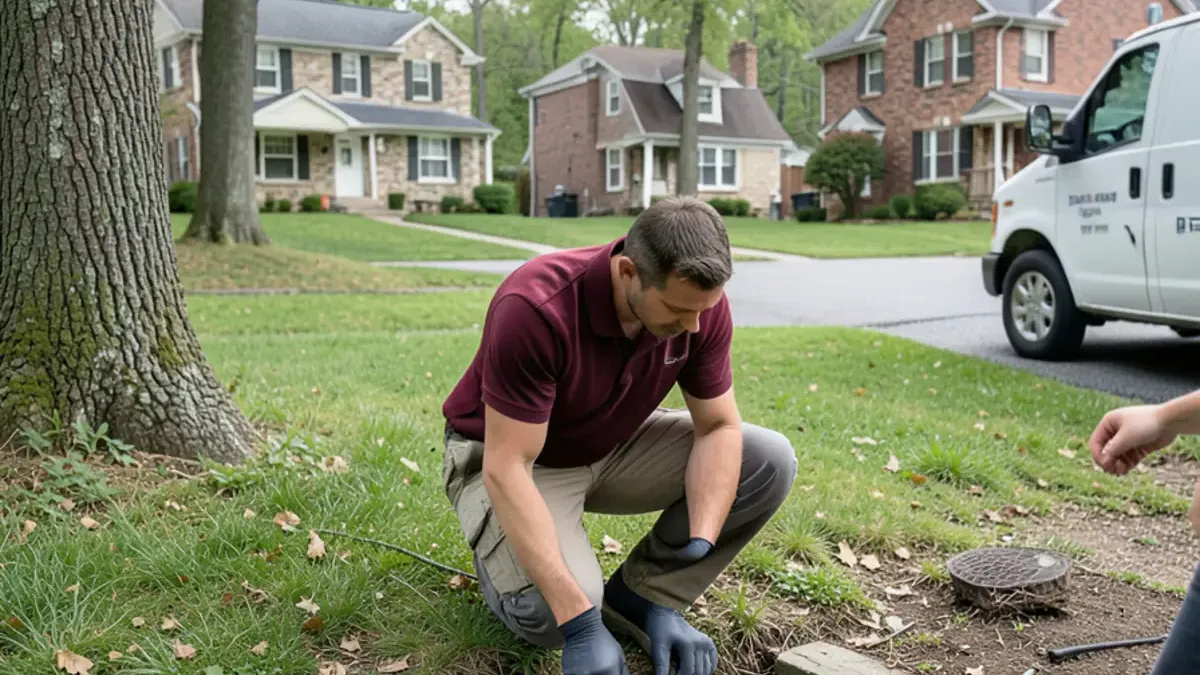
Centipede, millipede, earwig or sow bug: which one is it?
These four are grouped as occasional invaders because none of them builds a colony inside the way ants do. The one you are seeing tells us where the problem starts.
Not every crawler in the basement belongs on this list. Fuzzy, banded larvae along rug edges are usually carpet beetles, covered by our clothes moth and carpet beetle service, and tiny beetles in the flour canister belong with pantry pest control.
| Invader | How to spot it | What it eats | What it tells us |
|---|---|---|---|
| House centipede | Up to about 1.5 inches, 15 pairs of very long legs, runs fast | Silverfish, spiders, cockroaches and other insects | There is prey in the house, usually in a damp basement |
| Millipede | Brown-black and cylindrical, two pairs of legs per segment, curls into a coil | Decaying leaves, mulch and plant matter | Wet soil or thick mulch is touching the foundation |
| Earwig | Reddish-brown with pincers at the tail end | Plant material, dead insects, soft fruit | Damp mulch beds and leaky downspouts near doors |
| Sow bug or pill bug | Gray, oval and armored; pill bugs roll into a ball | Decaying organic matter | Rotting wood, wet mulch or a patio slab that stays damp |
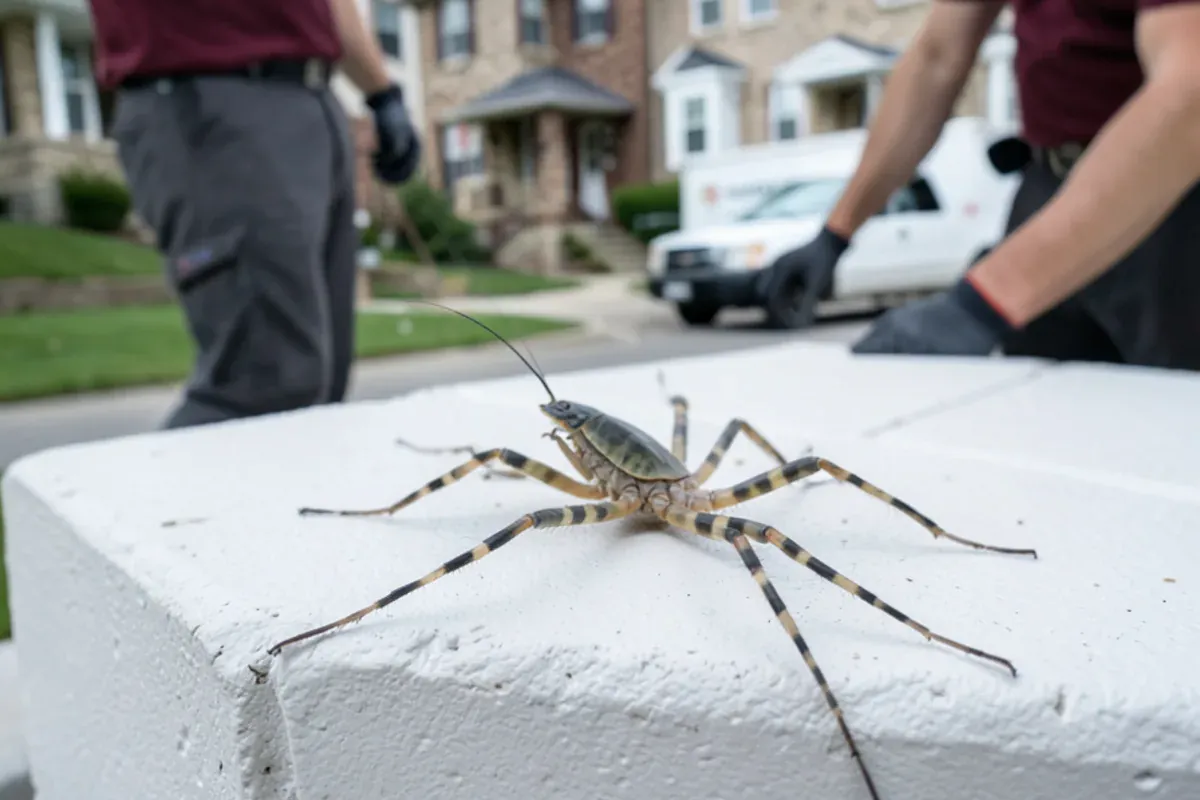
Why are there house centipedes in the basement?
A house centipede that sprints across the laundry room floor is hunting. It needs a steady supply of insects and high humidity, so a basement with silverfish, spiders or crickets and a damp corner can support several of them. House centipedes can live three years or more and will breed indoors once established, which sets them apart from the other three invaders here.
The usual sign comes at night or first thing in the morning: a centipede darting out from under the washer when the light goes on, or one stuck in the tub or utility sink. Seeing several a week, including small pale young ones with fewer legs, means they are breeding in the house rather than wandering in.
That is why spraying for centipedes alone rarely lasts. We look at what they are eating. Basements with stored cardboard and damp bathrooms nearby often need the moisture work described on our silverfish control page, because cutting the food supply is what keeps centipede numbers down.
Millipede invasions along Delaware County creek valleys
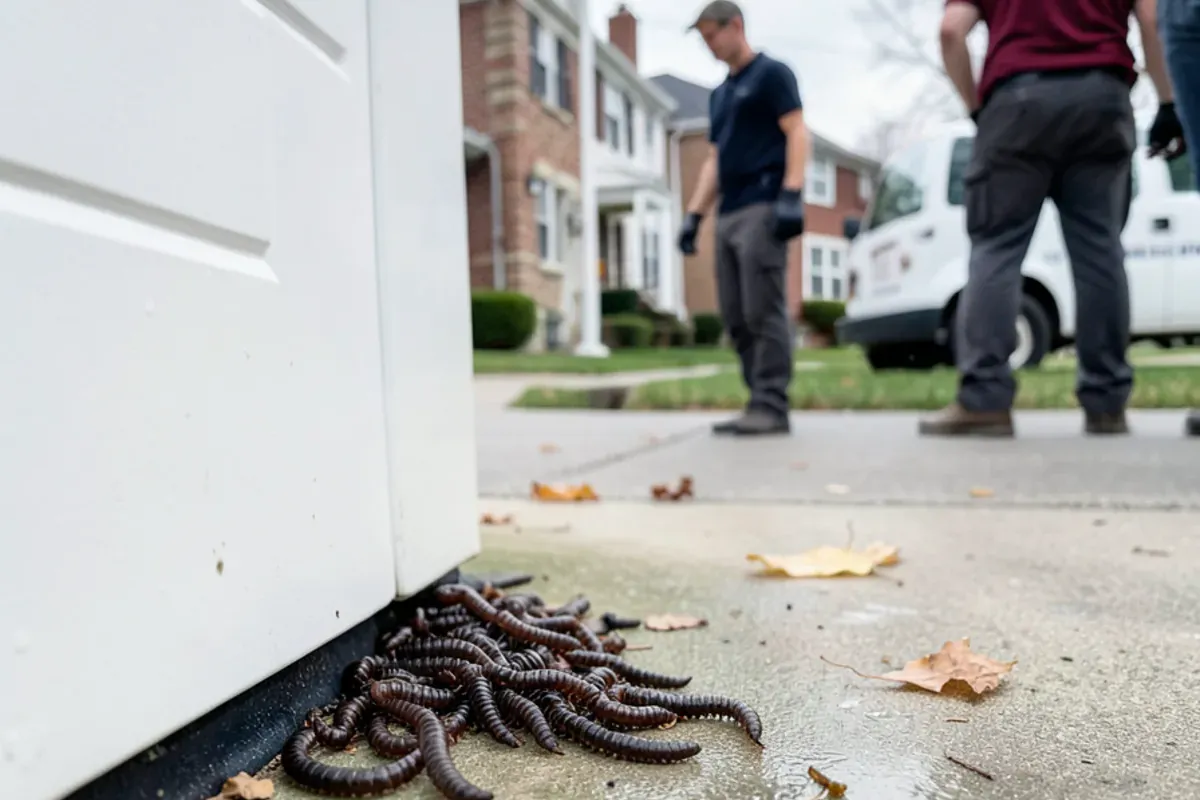
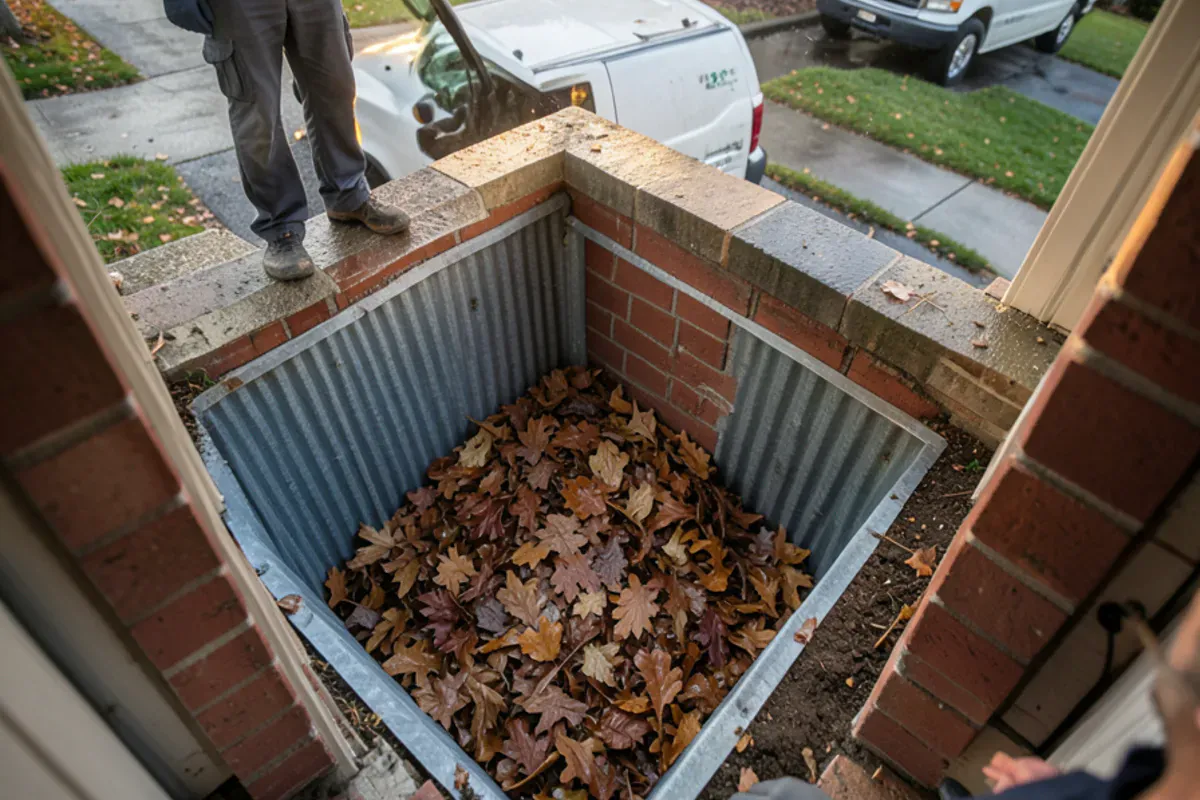
Millipedes live by the thousands in leaf litter and mulch. When the soil gets waterlogged after a storm, or dries out in a late-summer drought, they migrate, and the nearest dark, damp opening is often a basement door, garage threshold or window well. Late summer and fall bring the largest movements.
Homes along the Crum, Ridley, Darby and Chester creek valleys see this more than most. Wooded lots, heavy shade and deep leaf cover hold moisture against foundations. In Upper Providence and Edgmont, houses that back onto Ridley Creek State Park often have woods running nearly to the patio.
Millipedes that get inside usually die within days in dry indoor air, but the dead ones still pile up on basement floors.
Occasional invaders pest control: what each approach buys you
There are three levers, and they work far better together than apart.
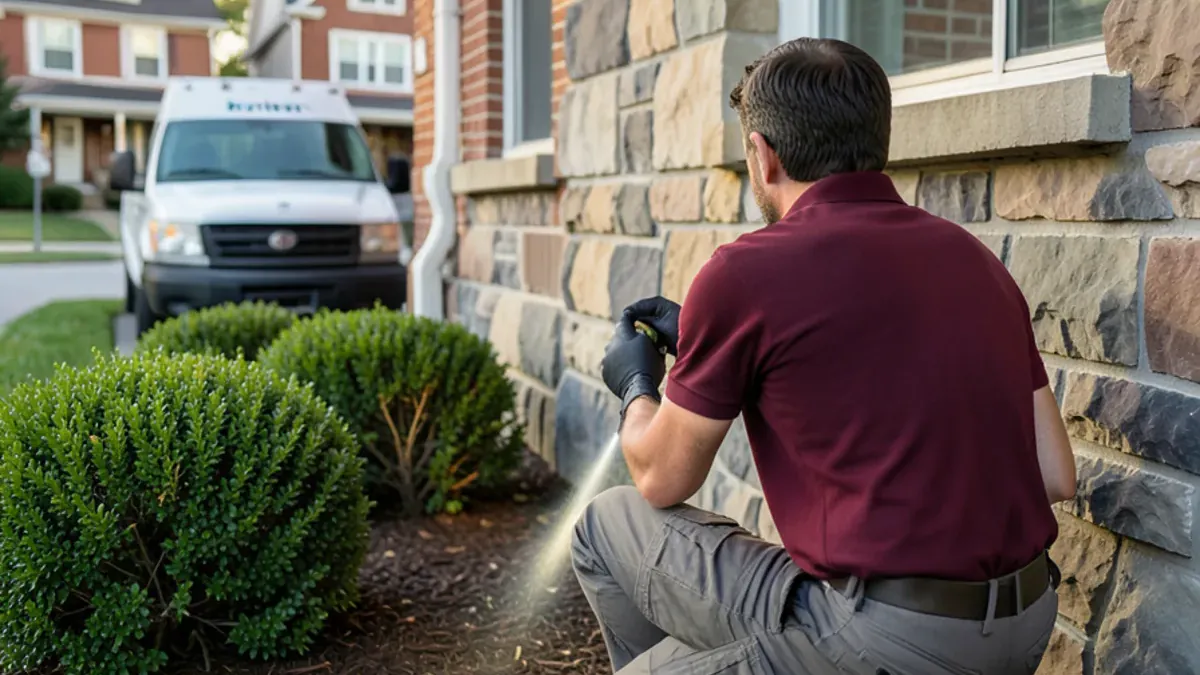
- Perimeter treatment. A band of residual product on the foundation and the soil and mulch beside it stops invaders as they move toward the house. It is the fastest fix, but heavy rain and fresh mulch shorten how long it holds.
- Interior crack-and-crevice treatment. Targets baseboards, sill plates and floor drains where invaders hide. Important for house centipedes that already live inside; less so for millipedes, which die indoors on their own.
- Habitat changes. Pulling mulch back from the foundation, fixing downspouts and sealing door gaps take effort up front but last for years and make every treatment work longer.
Talk to us about centipede and millipede control
Call and speak with Thom or his team. The inspection is free, and you get a written quote before any treatment.
- ★ 4.8 from 21 Google reviews
- Open 7 days, 8 a.m. to 7 p.m.
- Free inspection before treatment
- Family-run, based in Media, PA
Open 7 days, 8 a.m. to 7 p.m.
Your occasional invader visit, from walk-around to follow-up
Millipede traffic usually drops within a week or two of the perimeter treatment. House centipedes decline more slowly, as their prey disappears, so give it about a month.
Exterior walk-around
We circle the foundation looking at mulch depth, downspout outlets, window wells, door sweeps and how the soil grades toward the house.
Basement and crawlspace check
Inside, we look for damp corners, sump pits, floor drains and the prey insects that keep house centipedes fed.
Identification and quote
You learn which invader you have and why it is coming in, then receive a written quote after the free inspection.
Perimeter band
We treat the foundation and a strip of soil and mulch outside it, plus thresholds and window wells where invaders gather.
Interior spot treatment
Baseboards, sill plates and gaps around basement pipes get a crack-and-crevice application where centipedes rest.
Fix list
We leave a short list of moisture and sealing items, ranked by how much difference each one makes at your house.
What goes into centipede control pricing in PA?
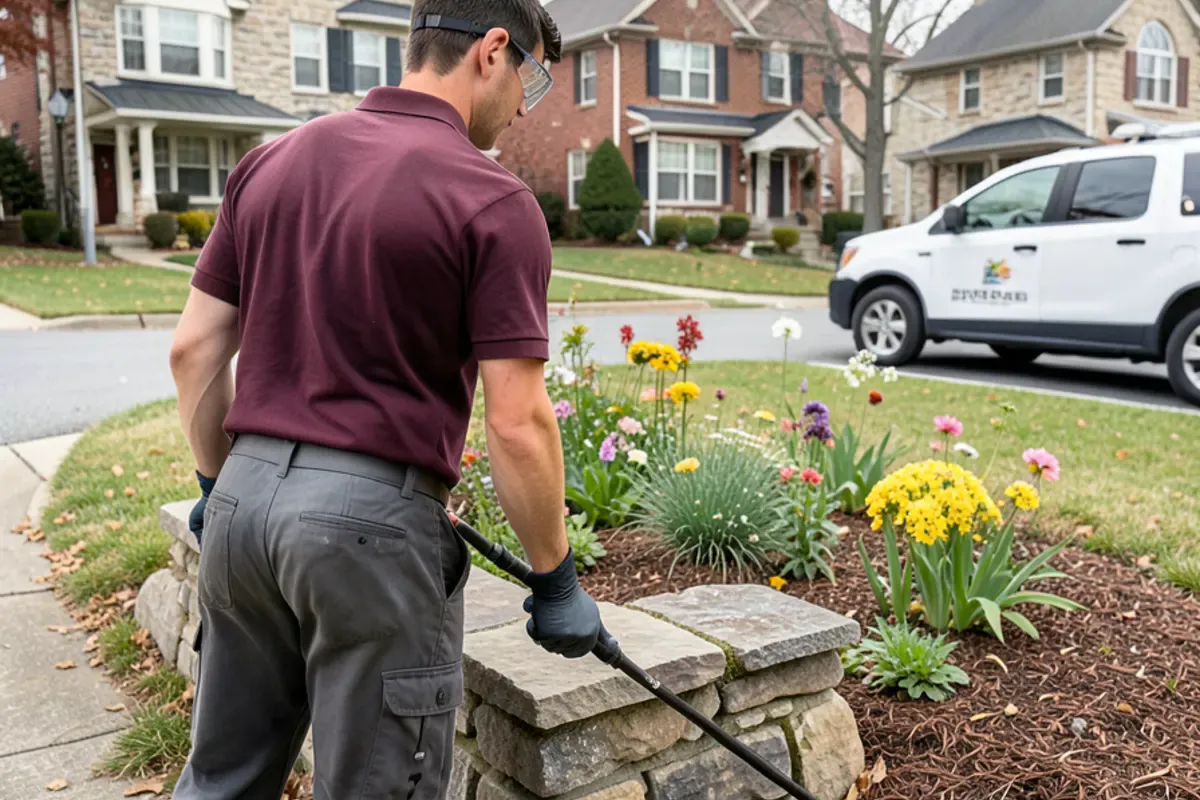
Around Media and the creek towns, the lot shapes the quote more than the invader does. A house on a slope with a walkout basement facing the woods has a long, damp downhill wall where millipedes pile up, while a rowhome with a short concrete yard has very little perimeter to treat. Thick mulch beds, railroad-tie edging and ivy climbing the siding all add treated area.
Water history matters too. A basement that takes on water every spring, or a lot where the creek overflows into the back yard, may call for a second perimeter visit before the fall migration.
You see the written price before we begin. To book the free inspection, call (209) 563-1650.
- Length of the foundation perimeter and how much of it is mulched or wooded
- Finished versus unfinished basement, and crawlspace access
- Whether centipedes are breeding inside or millipedes are only migrating in
- Number of window wells, doors and slab edges to treat
- Prey insects such as silverfish or spiders that need their own treatment
- Seasonal follow-up for lots that flood or back onto woods
Pesticide Labels Near Creeks, PDA Rules and Downspout Codes
Perimeter bands for millipedes and centipedes are pesticide applications, and done for hire in Pennsylvania they fall under the Pesticide Control Act of 1973. The Pennsylvania Department of Agriculture (PDA) licenses the business and certifies the applicator, and you can ask for the company's PDA license number before work starts. On creek-side lots the label matters most: it limits application near water and on hard surfaces that drain to it, so the band may stop short of a bank or storm drain.
Drying the foundation has rules as well. Many sewer authorities prohibit tying sump pumps or downspouts into the sanitary sewer, and some townships and boroughs regulate where that water may discharge, so check with your municipality before rerouting it. This is general information, not legal advice.
Earwig control and sow bug control start in the flower beds
Earwigs and sow bugs need constant dampness, so prevention is mostly yard work. These same fixes cut millipede numbers and leave house centipedes with less to eat.
- Pull mulch and leaf litter back 6 to 12 inches from the foundation
- Extend downspouts so water exits several feet from the house
- Replace worn door sweeps and garage door bottom seals
- Clear out and cover window wells
- Run a basement dehumidifier through the humid months
- Stack firewood and landscape timbers off the ground and away from walls
What our centipede and millipede control includes
- Free inspection of foundation, mulch beds, basement and crawlspace
- Identification of the invader and its moisture source
- Perimeter band treatment at the foundation
- Treatment of thresholds, window wells and garage door edges
- Interior crack-and-crevice treatment for house centipedes
- Written fix list for drainage, mulch and door seals
Why call No Bugs Exterminator for centipede and millipede control
Close to the creek valleys
Our base is in Media, near the wooded creek corridors where most millipede and centipede calls come from.
Price on paper first
Thom and his team inspect for free and put the price in writing before any treatment.
Call any day of the week
Open 7 days, 8 a.m. to 7 p.m., so you can call about a Saturday millipede flood in the garage the day you find it.
Same day after a storm
Same-day visits are often possible when the schedule allows — call early in the day. One late-summer downpour can push hundreds of millipedes to a threshold overnight.
Where we provide centipede and millipede control
Wooded creek corridors drive most of our centipede and millipede calls. Nether Providence homes along Crum Creek and Smedley Park, Upper Providence lots that back onto Ridley Creek State Park, and Haverford Township streets on Darby Creek's wooded banks all hold leaf litter and damp soil against foundations. In Aston, 1960s and 1970s split-levels in the Chester Creek valley often have lower levels set partly below grade.
- Lansdowne
Darby Creek frontage and Victorian houses with 1940s-era stone basements give millipedes damp soil outside and house centipedes humid rooms inside.
- Clifton Heights
A former mill borough on Darby Creek, where low-lying yards stay wet after storms and millipedes march toward basement doors.
- Upland
Chester Creek mill-town homes with a 1946 median build year combine creek-bank leaf litter with old basements that hold moisture.
- Chester Township
Toby Farms streets edged by Chester Creek see sow bugs and millipedes move in from the wooded banks after heavy rain.
- Boothwyn
Homes near Naamans Creek, many built in the early 1970s, have partly below-grade lower levels where centipedes hunt year-round.
- Glenolden
Yards beside Muckinipattis Creek hold the wet leaf litter millipedes and earwigs live in, right up against MacDade Boulevard-area foundations.
- Edgmont Township
Newer subdivisions bordering Ridley Creek State Park often have walkout basements facing the woods, a classic millipede entry wall.
- Rose Valley
Homes set in deep woods around Hedgerow Theatre sit on thick leaf cover and shade that keep soil damp against stone foundations.
- Swarthmore
Pre-war homes beside the Crum Woods have damp fieldstone basements where house centipedes find silverfish and crickets to eat.
What customers say on Google
4.8 out of 5 from 21 reviews on Google. Quoted as written by customers.
No Bugs Exterminator is the best I have seen. The owner is the nicest person in the world, he doesn’t rush anything, and is very thorough in job.
Excellent service, very professional and friendly! Most importantly the results gave me peace of mind! Highly recommended!
Very happy with the service, they helped me quickly to control the problem.
Centipede and Millipede Control: common questions
Why do millipedes come inside after heavy rain?
Waterlogged soil pushes them out. Millipedes live in mulch and leaf litter, and when a storm saturates the ground they move to higher, drier spots, often a foundation, garage slab or basement door. A long dry spell can trigger the same movement in search of moisture. On creek-side lots in Delaware County we see the largest movements in late summer and early fall.
Are house centipedes harmful?
Not in any serious way. A house centipede can bite if handled, and it feels like a mild bee sting at most; they do not damage the house, food or fabric. Many people simply cannot stand the sight of them. Their real message is that your basement holds enough insects and moisture to feed them, which is what our inspection traces.
How do you keep occasional invaders out of a basement?
Dry the edges and close the gaps. That means mulch pulled back from the foundation, downspouts carrying water away, tight door sweeps, covered window wells and a dehumidifier inside. A perimeter treatment adds a barrier while those changes take effect. Walkout basements on sloped lots, common around Media, usually need the door threshold sealed first.
Will one treatment get rid of house centipedes already inside?
It starts the process, but expect a few weeks. Interior treatment reaches the cracks where centipedes rest, and they die after crossing it. Because they can live several years and feed on other insects, the population falls fastest when the prey is also controlled, so we check the basement for silverfish, spiders and crickets on the same visit.
When are centipedes and millipedes worst in southeastern Pennsylvania?
Late summer through fall, with a smaller wave in spring. Millipedes migrate when the soil gets very wet or very dry, and house centipedes become more visible as they move toward warm basements once nights cool off. A perimeter treatment applied in late summer usually catches the fall movement before it reaches the door.
Related services


Helpful guides from our blog
Ready to get rid of the problem?
Thom and his team serve Media, Delaware County and southeastern Pennsylvania, open 7 days, 8 a.m. to 7 p.m..
- ★ 4.8 from 21 Google reviews
- Open 7 days, 8 a.m. to 7 p.m.
- Free inspection before treatment
- Family-run, based in Media, PA
Open 7 days, 8 a.m. to 7 p.m.