This option depends on the property. Call (209) 563-1650 and we'll confirm whether it's the right fit before anything is scheduled.
Is Natural Mosquito Control Enough for Your Yard?
It depends on where the mosquitoes come from. If most of the biting is daytime tiger mosquitoes breeding in gutters, planters and toys, cleaning up water and treating what remains with a larvicide can make a large difference without any broad spraying.
It is a harder fit for properties on a creek floodplain or near tidal marsh, where mosquitoes fly in from water you cannot reach. In those yards, a natural program may need to be paired with targeted conventional treatment of the worst resting areas, and we will say so plainly at the inspection.
Why Delaware County Yards Breed So Many Mosquitoes
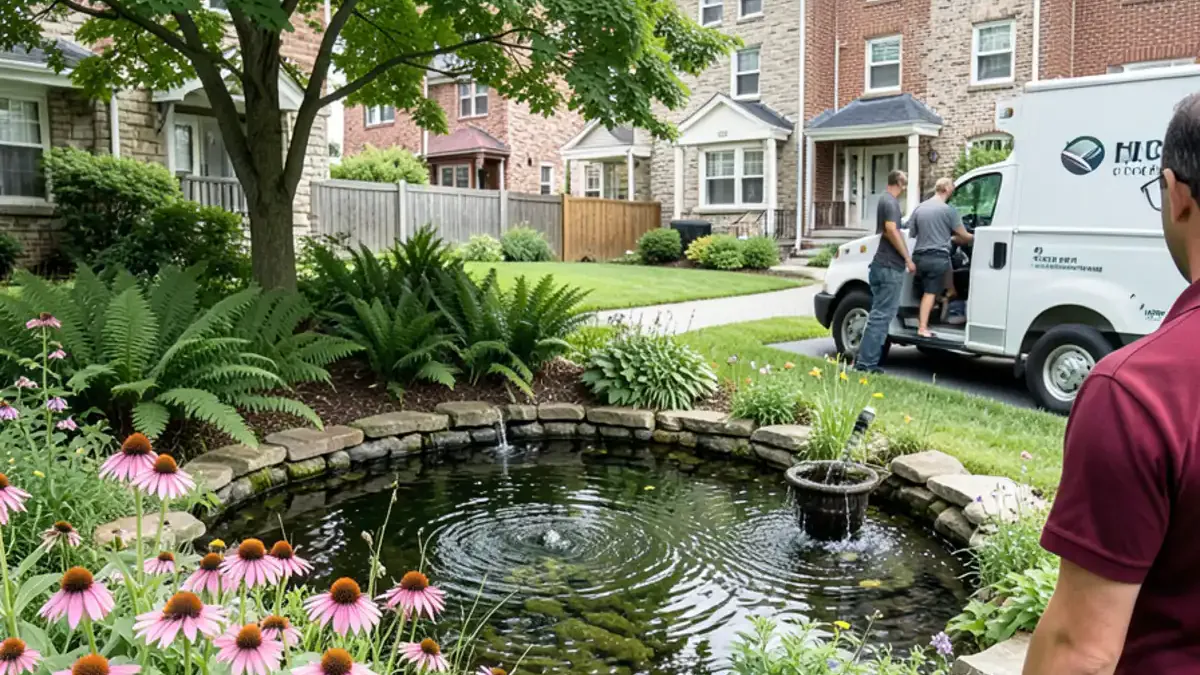
Many of the water sources here are ones homeowners added on purpose. Rain barrels, decorative ponds, birdbaths and the rain gardens that townships encourage for stormwater all hold water, and a rain garden that stays wet for more than a couple of days after a storm becomes a nursery.
Older boroughs add their own features. Victorian and pre-war homes along Darby and Cobbs creeks often have built-in box gutters, stone window wells and basement stairwells that collect leaves and water. Each of these is a target for a lower-impact plan, because fixing or treating the water source works without spraying foliage at all.
Shade and humidity do the rest. Mature oaks and maples over 1950s lots in places like Havertown and Drexel Hill keep backyards cool and damp, which is exactly where adult mosquitoes rest between bites, and a single July thunderstorm can refill every bucket and rain garden on the block in an afternoon.

How We Assess a Yard for Lower-Impact Treatment
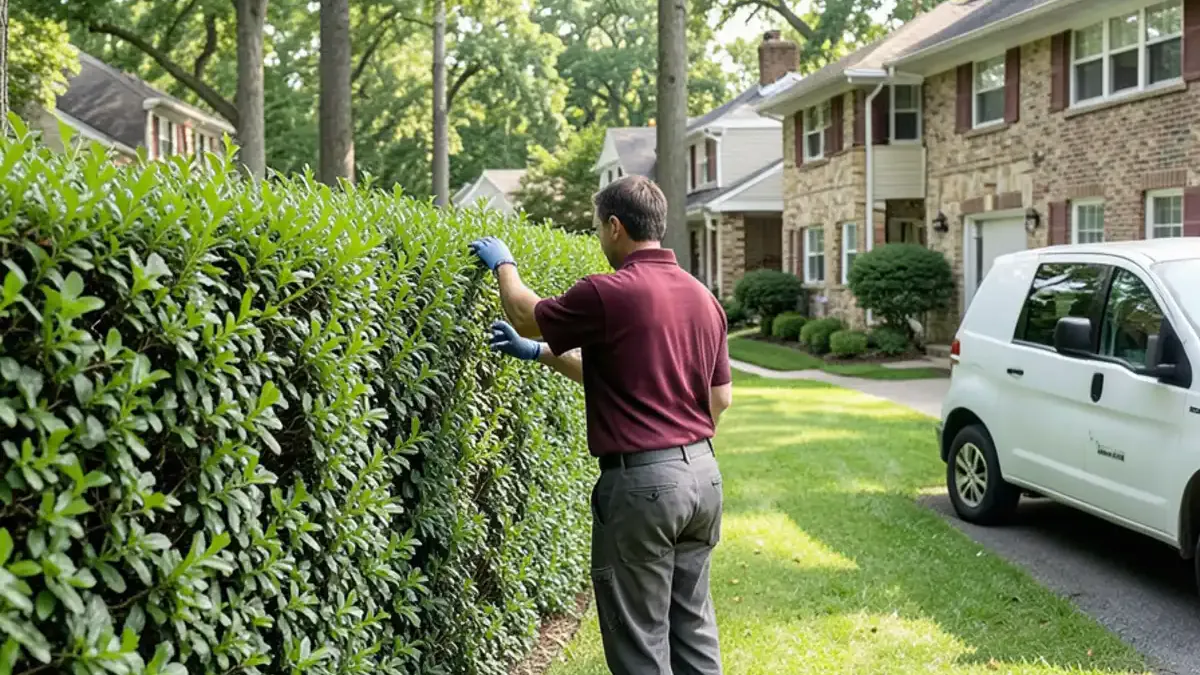
The free inspection for a natural program spends more time on water than on shrubs. We check rain barrels for gaps in the screen, look at pond edges and pump flow, probe rain gardens and low spots for standing water, and note which plants are in bloom and which hold the shade where adults rest.
From there, the written quote separates what you can fix yourself, what a larvicide can handle and where, if anywhere, a botanical spray is worth adding.
Botanical Mosquito Treatment and Other Natural Options
Each of these tools has a place, and each has a limit worth knowing. Call (209) 563-1650 to confirm this option is available for your property.
- Source reduction: emptying, screening and draining water. It is the most effective natural step, but it relies on weekly follow-through.
- Bti larvicide: Bacillus thuringiensis israelensis is a naturally occurring soil bacterium that kills mosquito larvae and is widely used in organic-friendly programs. It targets larvae in water only, so it has no effect on adults already flying.
- Botanical sprays: products built on oils such as cedarwood, rosemary, peppermint or geraniol. Many qualify under EPA's minimum-risk pesticide category. They work on contact and repel for a while, but their residual is short.
- Garlic sprays: mainly repellent, with a strong smell for the first day and a brief effective life.
- Fans and traps: a box fan on a patio is a surprisingly useful tool because mosquitoes are weak fliers; traps catch some adults but rarely change a yard on their own.
A Natural Treatment Visit, Step by Step
Free inspection
We walk the yard with a focus on water sources, blooming plants and shaded resting areas.
Written quote
You receive a written plan that separates your own fixes, larvicide work and any botanical spray.
Water work
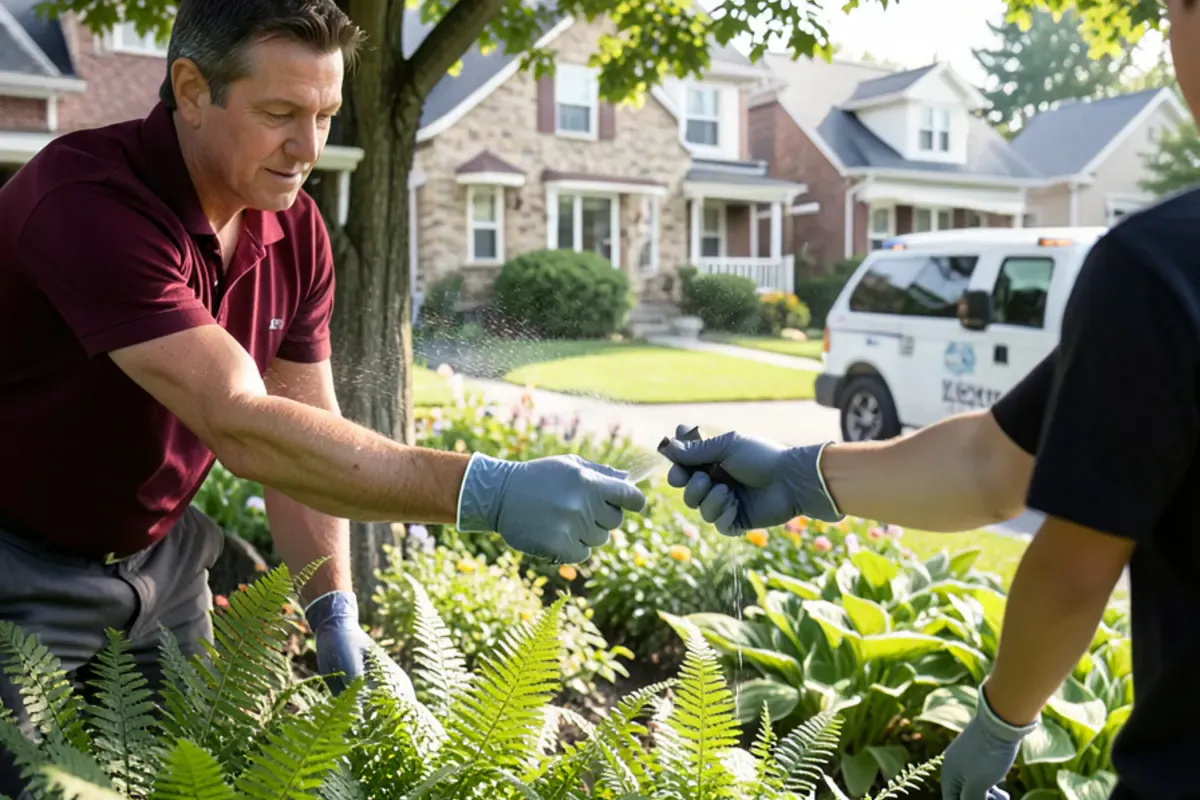
Containers are emptied, rain barrel screens checked and larvicide placed in ponds, drains or soggy rain gardens.
Spot application
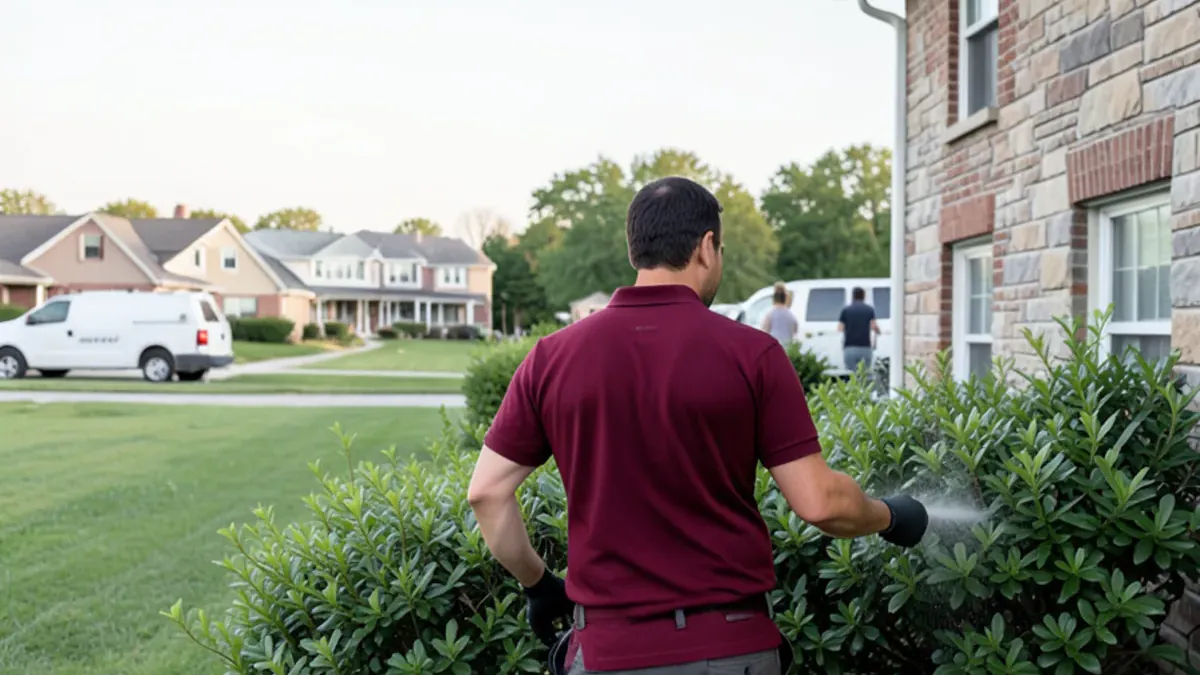
Where needed, a plant-oil spray goes on shady foliage only, timed for early morning or evening when bees are less active.
Follow-up schedule
Botanical work is repeated on a shorter interval, and we recheck larvicide placements each visit.
Talk to us about natural mosquito control
Call and speak with Thom or his team. The inspection is free, and you get a written quote before any treatment.
- ★ 4.8 from 21 Google reviews
- Open 7 days, 8 a.m. to 7 p.m.
- Free inspection before treatment
- Family-run, based in Media, PA
Open 7 days, 8 a.m. to 7 p.m.
Do Natural Mosquito Sprays Hold Up Through a Pennsylvania Summer?
They work, but they fade faster than conventional products. A botanical spray usually holds for roughly one to two weeks, and humid heat and rain shorten that, so a natural program typically runs on about a two-week interval from May into September.
Larvicide placements last longer, often a few weeks in a pond or drain, and source reduction never wears off as long as it is kept up. Most yards see the clearest results after the first month, once several breeding cycles have been interrupted.
What Affects the Cost of a Natural Program?
Natural programs are quoted in writing after the inspection, based on:
Water features drive a natural program more than lot size does. A Swarthmore garden with an ornamental pond, two rain barrels and a rain garden needs more larvicide placements and checks than a bigger lawn with no standing water at all.
Interval is the other lever. Because botanical sprays fade in about two weeks, a full season has more visits than a conventional program, and a yard near the Darby Creek floodplain may need a conventional spot treatment added, which the written quote shows separately.
- How many water features, rain barrels and drains need larvicide
- Whether botanical spraying is needed or water work alone will do
- The visit interval, which is usually shorter than for conventional programs
- Size and density of shaded shrub beds
- Proximity to a creek, marsh or floodplain
- Whether tick or lanternfly work is added to the same visits
Pennsylvania and EPA Rules for Natural and Minimum-Risk Products
Natural products are still pesticides in the eyes of the law. Bti larvicides are EPA-registered biological pesticides, and many plant-oil sprays fall under EPA's minimum-risk category, which exempts them from federal registration only when they meet strict ingredient and labeling conditions; states can still set their own rules. Federal labeling rules also bar pesticide labels, natural ones included, from calling a product safe or nontoxic.
Applied for hire in Pennsylvania, any of these products falls under the Pesticide Control Act of 1973, administered by the Pennsylvania Department of Agriculture (PDA), which licenses pest control businesses and certifies applicators. Ask any provider for its PDA business license number before a botanical program starts.
Pollinator-Safe Mosquito Control Habits
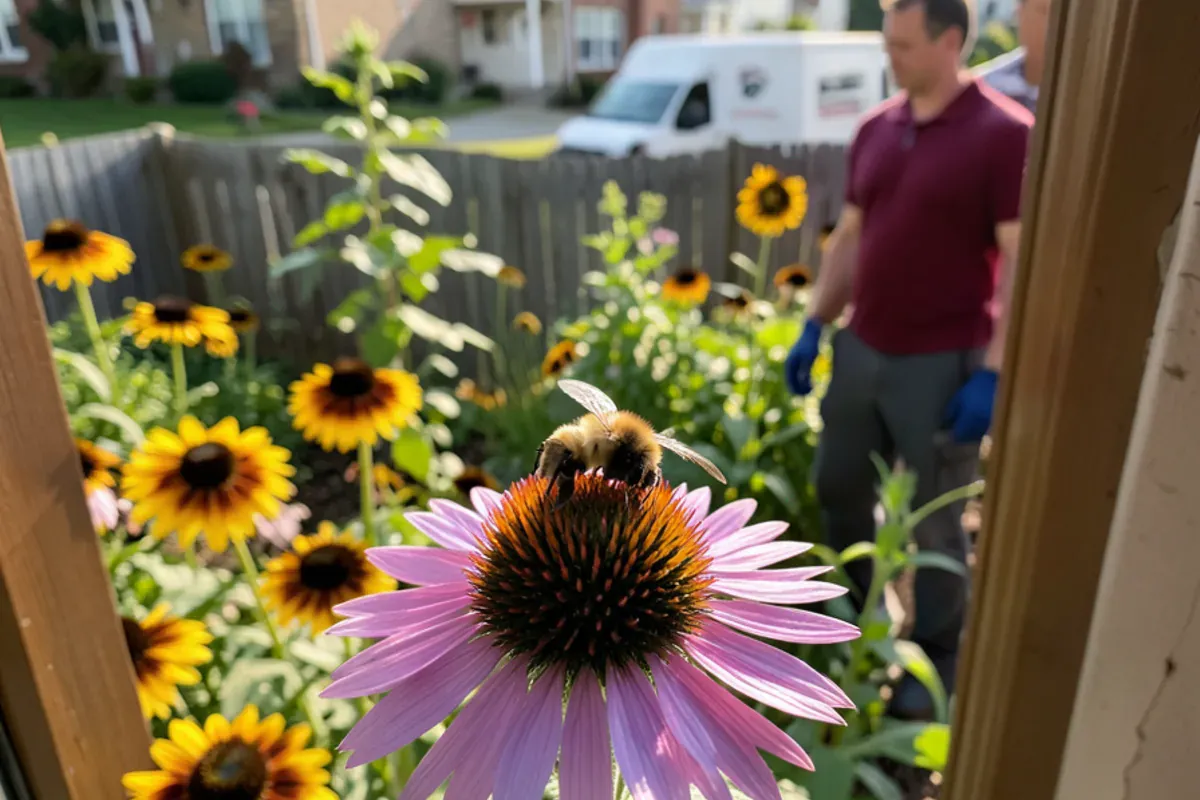
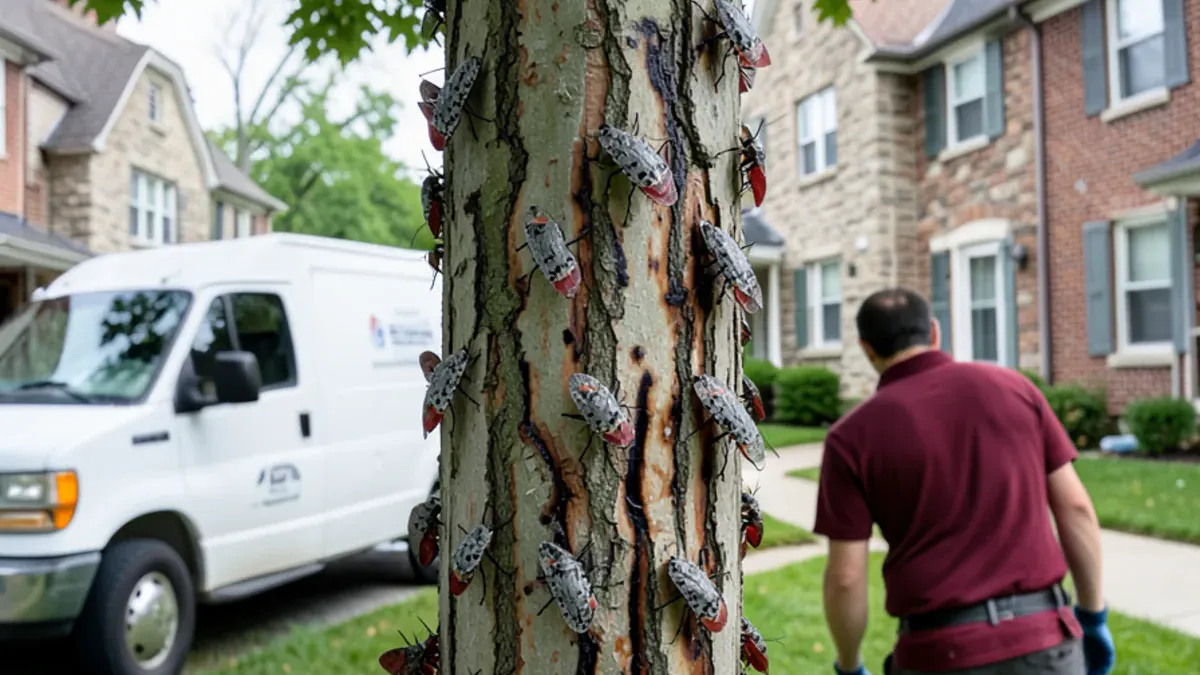
Natural does not automatically mean harmless to bees. Plant-oil sprays kill many insects they touch, including pollinators, so the same care applies as with any product. You can help in a few ways, and if you also have spotted lanternflies on your trees, our spotted lanternfly control page covers how to protect blooms during that work.
If you would prefer a regular schedule with a longer-lasting barrier, see our mosquito yard treatment program, and for a wider look at lower-impact options indoors and out, read about eco-friendly pest control.
- Keep sprays off flowers and flowering ground cover such as clover
- Treat in early morning or evening, when bees are less active
- Mark pollinator beds and hive locations at the inspection
- Plant flowers in sunny spots away from the shady corners mosquitoes use
- Add a pond pump or fountain so ornamental water keeps moving
What our natural mosquito control includes
- Free inspection focused on water sources and blooming plants
- Written plan separating homeowner fixes, larvicide and spraying
- Bti larvicide for ponds, drains and rain gardens
- Botanical spot treatment of shaded foliage where needed
- Rain barrel and gutter checks on each visit
- Pollinator buffers around beds and hives
Why call No Bugs Exterminator for natural mosquito control
Honest fit check
Thom and his team will tell you at the free inspection if a natural approach is unlikely to handle your yard alone.
Written plan first
Every recommendation, from larvicide to spraying, is in a written quote before work starts.
Close by
We are a small, family-run business in Media, open 7 days, 8 a.m. to 7 p.m.
Rated 4.8 on Google
Our rating comes from 21 Google reviews, and the written plan names each type of product before anything is applied.
Same-day when possible
Same-day visits are often possible when the schedule allows — call early in the day.
Where we provide natural mosquito control
Creek-side boroughs with older homes and established gardens often ask about gentler options: the Darby Creek frontage in Lansdowne, twins that run up to Cobbs Creek in Yeadon, the old mill streets of Clifton Heights and the Muckinipattis Creek side of Glenolden. Shaded backyards, old box gutters and nearby creek water make water-first control especially useful there.
- Haverford Township
Havertown and Llanerch gardens along Darby Creek's wooded banks pair rain barrels with shaded beds, a setup that responds well to water-first control.
- Swarthmore
Large pre-war gardens near Swarthmore College and the Crum Woods often hold ponds and pollinator plantings that call for larvicide rather than broad spraying.
- Wayne
Victorian homes near the Wayne Art Center and Lancaster Avenue have box gutters and stone window wells that collect leaves and standing water.
- Aldan
Pre-war homes by the Clifton-Aldan rail stop have small, shaded gardens where emptying containers and treating drains goes a long way.
- Rutledge
In this tiny planned borough beside Morton, mature trees shade compact lots, so source reduction and spot botanical work cover most yards.
- East Lansdowne
Pre-war twins with a 1938 median build year have stairwells and window wells that trap water, a job for larvicide instead of foliage spray.
- Upland
In this Chester Creek mill town near the Caleb Pusey House, creek-side lots and older gutters make water-first control a sensible starting point.
- Darby
Rowhome yards near Darby Creek, settled since 1682, are small and close together, so a block-wide container cleanup matters more than heavy spraying.
- Collingdale
Twin and row streets along the Route 102 trolley have tight yards where planters, toys and downspouts breed most of the local tiger mosquitoes.
What customers say on Google
4.8 out of 5 from 21 reviews on Google. Quoted as written by customers.
Very professional and knowledgable service providers. They mainly solved our problems in one visit!
Thom is a top-notch pest control specialist! And is one of the most genuine guys in the industry. He came to inspect a situation I had going on at the house, took his time, offered detailed advice, and didn’t take a penny.
Thom + his team were amazing. Very professional + provided me with a quote that made the most sense for my situation. Clearly I was not being gouged. Thom put the client first.
Natural Mosquito Control: common questions
Do natural mosquito sprays work?
Yes, for a shorter time. Botanical sprays kill mosquitoes on contact and repel them for roughly one to two weeks, compared with about three weeks for a conventional barrier. They work well alongside water removal and Bti larvicide, and less well on their own in yards that border a creek floodplain or the Heinz refuge marsh.
Are they safer for bees?
Not automatically. Plant-oil products can still kill bees and butterflies they land on, so the protection comes from how they are applied: off blooms, onto shaded foliage, in early morning or evening. Bti larvicide is the most pollinator-friendly tool, because it only affects mosquito and a few related fly larvae in water.
How often do natural products need reapplying?
Botanical sprays usually need reapplying about every two weeks from May into September, sooner after heavy rain. Bti larvicide in ponds or drains lasts a few weeks per placement. Source reduction, like emptying saucers and clearing gutters, should happen every week, since tiger mosquitoes can hatch from a container in about a week in summer heat.
Does garlic spray keep mosquitoes away?
Somewhat, and briefly. Garlic works mainly as a repellent, and its effect usually fades within days, especially after rain. It can be part of a plan for a patio or small garden, but it will not control mosquitoes breeding in a nearby downspout or rain barrel. Water removal does far more.
Will Bti larvicide hurt fish or frogs in my pond?
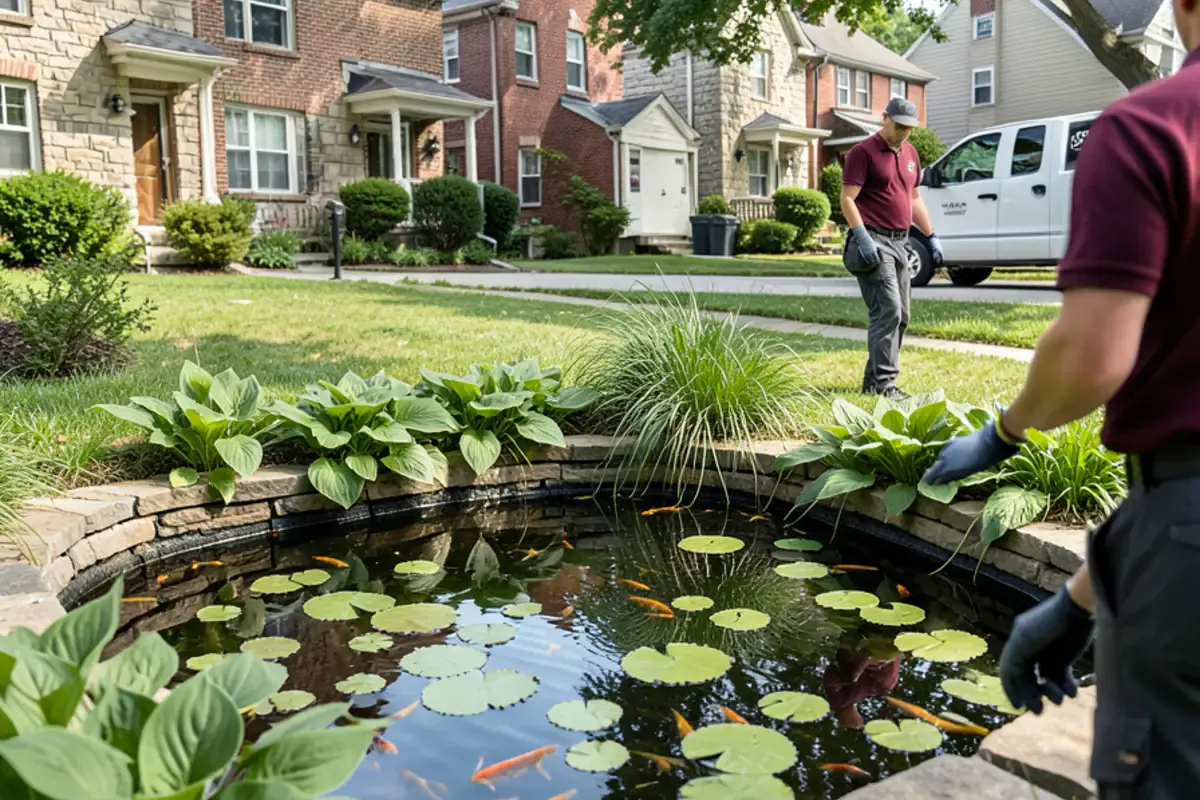
Bti is considered very low risk to fish, frogs, birds, pets and people when used as labeled, because it targets the gut of mosquito and black fly larvae. That makes it a common choice for ornamental ponds. Keeping water moving with a pump or fountain also discourages egg-laying.
Related services
Helpful guides from our blog
Ready to get rid of the problem?
Thom and his team serve Media, Delaware County and southeastern Pennsylvania, open 7 days, 8 a.m. to 7 p.m..
- ★ 4.8 from 21 Google reviews
- Open 7 days, 8 a.m. to 7 p.m.
- Free inspection before treatment
- Family-run, based in Media, PA
Open 7 days, 8 a.m. to 7 p.m.