
What pests show up in offices and stores?
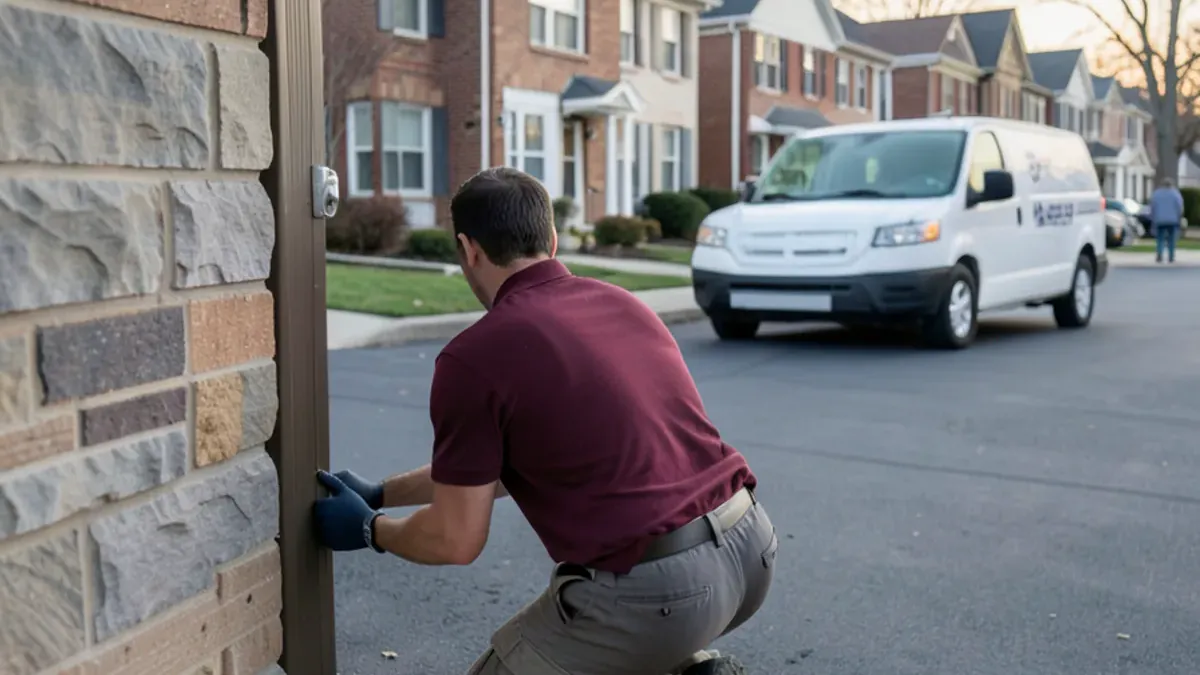
Break rooms draw the most trouble. Odorous house ants trail in along window frames after spring rain, and our ant control approach follows those trails back outside. German cockroaches ride in with vending deliveries and cardboard, and mice settle into drop ceilings and cable trays once fall nights get cold.
South- and west-facing walls bring a seasonal wave. Brown marmorated stink bugs, first recorded in the U.S. near Allentown in the late 1990s, gather on sunny storefronts and office buildings each fall and work their way inside through window and vent gaps; our stink bug control page explains the timing. Retailers that stock birdseed, pet food or dry goods also see pantry moths and beetles in those aisles.
Where office and retail pests leave their first clues
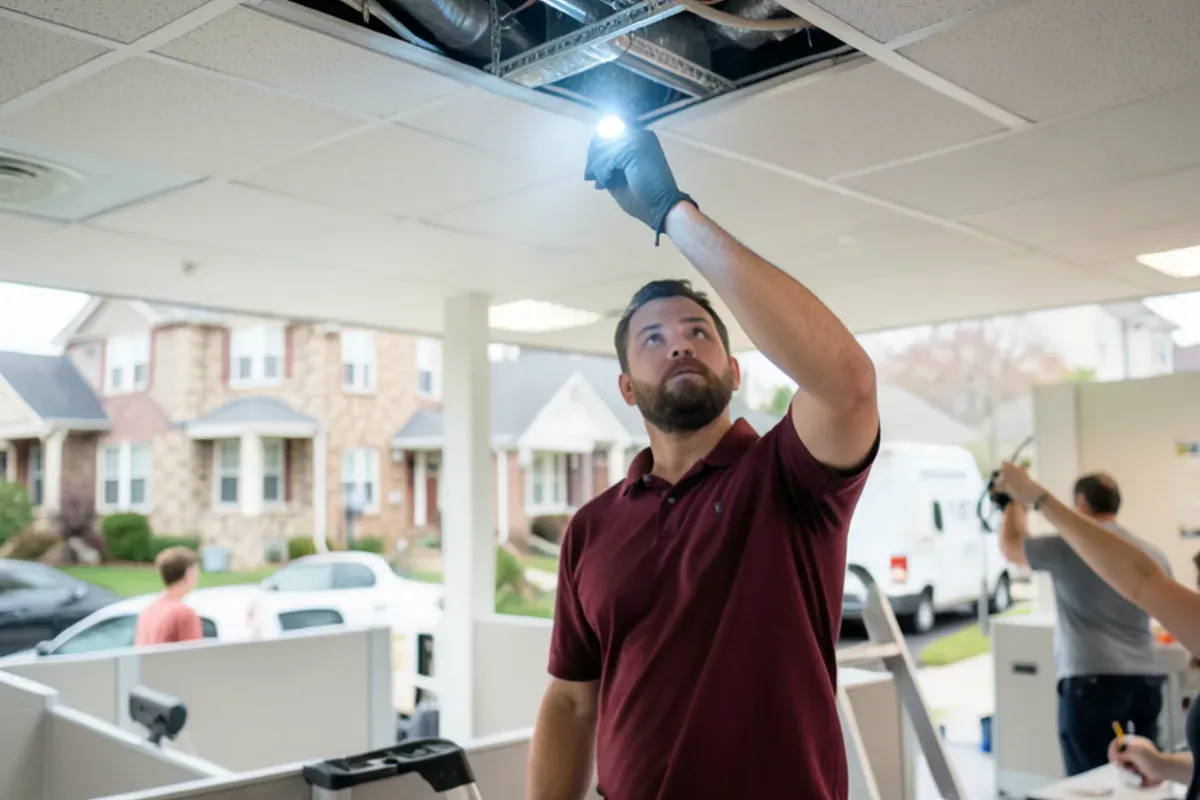
Front-of-house staff rarely see pests first; the evidence collects where nobody lingers. Look for small, dark droppings on top of a ceiling tile when one is lifted, gnawed corners on stored cardboard and the sharp smell of mouse urine in a utility closet. Ant activity usually starts at the break-room sink or under a water cooler where spills sit overnight, then spreads along the counter to the coffee station.
Some causes come from the buildings themselves. Older storefronts in borough downtowns such as Media and Lansdowne share walls and basements, so a neighbor's renovation or closing can send mice next door. Newer office parks along Route 202 and the Great Valley corridor have long runs of glass and sunny siding, which is where stink bugs and cluster flies gather each October. Stores that receive pallets daily see German cockroaches arrive in cartons and returned merchandise.
The risk for businesses open to the public
A single mouse running across a sales floor can end up in an online review, and a stockroom infestation means damaged merchandise you cannot sell. Employees notice too: ants on a break-room counter or a roach in a desk drawer quickly become a complaint to the office manager.
In multi-tenant buildings, responsibility is usually split. Many shopping center leases make the landlord responsible for exteriors and common areas and the tenant responsible inside the suite, so knowing your lease tells you who calls whom. This is general information, not legal advice.
Shopping centers, strip retail and churches
Retail rows on Baltimore Pike and Route 1, plus larger sites such as Springfield Mall, the Promenade at Granite Run and the stores around King of Prussia, share walls, roof drains and dumpster pads. Shopping center pest control is most effective when we can see the rear corridor and service doors as well as your suite, so we coordinate with the property manager where the lease allows.
Church pest control has its own pattern: fellowship-hall kitchens, basements used for storage, and wasps under eaves and steeples. Churches that run a preschool should also read our school and daycare pest control page, and medical suites inside office parks follow the closer routine described under healthcare and senior living pest control.
- Sales floor perimeter, fitting rooms and entry vestibules
- Stockrooms, receiving doors and cardboard storage
- Break rooms, kitchenettes and restrooms
- Drop ceilings, cable trays and utility closets where mice travel
- Exterior foundation, door sweeps and entry lighting
- Church kitchens, basements and eaves
Can a store be treated without disrupting customers?
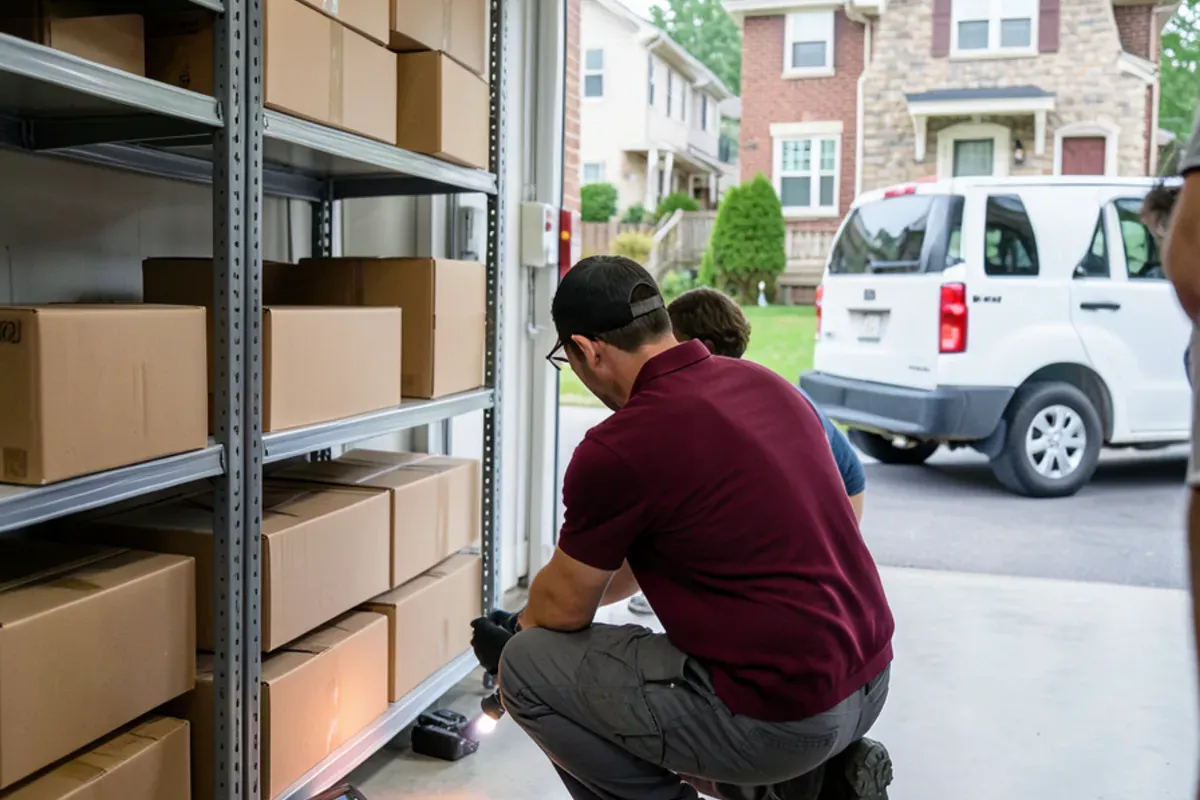
Usually, yes. Most retail work happens before doors open or in the stockroom and back corridor, where shoppers never go. Baits, monitors and traps are small and placed out of sight, and we avoid spraying in sales areas while customers are present.
Offices are easier still: we can come on a weekend morning when the suite is empty, since our schedule runs seven days, 8 a.m. to 7 p.m. Churches usually prefer a weekday, well away from services and events.
Talk to us about office and retail pest control
Call and speak with Thom or his team. The inspection is free, and you get a written quote before any treatment.
- ★ 4.8 from 21 Google reviews
- Open 7 days, 8 a.m. to 7 p.m.
- Free inspection before treatment
- Family-run, based in Media, PA
Open 7 days, 8 a.m. to 7 p.m.
Pennsylvania pesticide rules in occupied offices and stores
Every commercial application in a Pennsylvania office or store falls under the Pesticide Control Act of 1973. The Pennsylvania Department of Agriculture (PDA) licenses the pest control business, certifies the applicator, and through 7 Pa. Code § 128.31 requires the license number on the company vehicle parked out front.
The product label decides the rest: where it may go, whether a room has to be empty and how long before staff or shoppers return, which is why we lean on baits and crack-and-crevice placements in spaces that stay open. PDA also keeps a pesticide hypersensitivity registry, and commercial applicators must give registered people nearby advance notice of certain outdoor applications. This is general information, not legal advice.
A typical office or store visit
Meet the store or office manager
We ask where staff have seen pests and whether anything changed, such as a new tenant next door.
Walk the back of house first
Stockroom, receiving door, break room and restrooms get checked before the customer-facing areas.
Check monitors and ceilings
Monitors are read and ceiling tiles lifted where mice have been active.
Treat discreetly
Baits and targeted treatments go into cracks, voids and behind fixtures, out of customer view.
Look outside
We check door sweeps, gaps at the foundation and the dumpster area.
Update the service log
Findings, treatments and recommended fixes are written up for your manager, landlord or head office.
Service records for landlords and head office
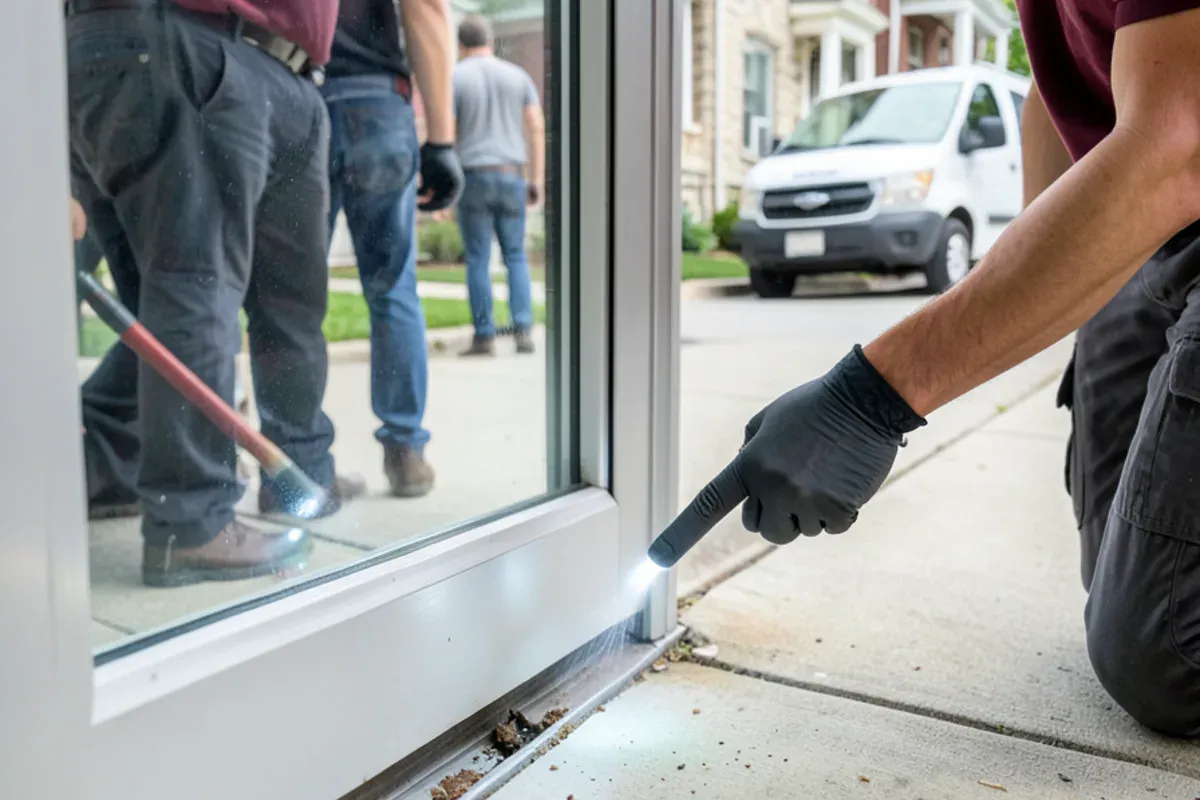
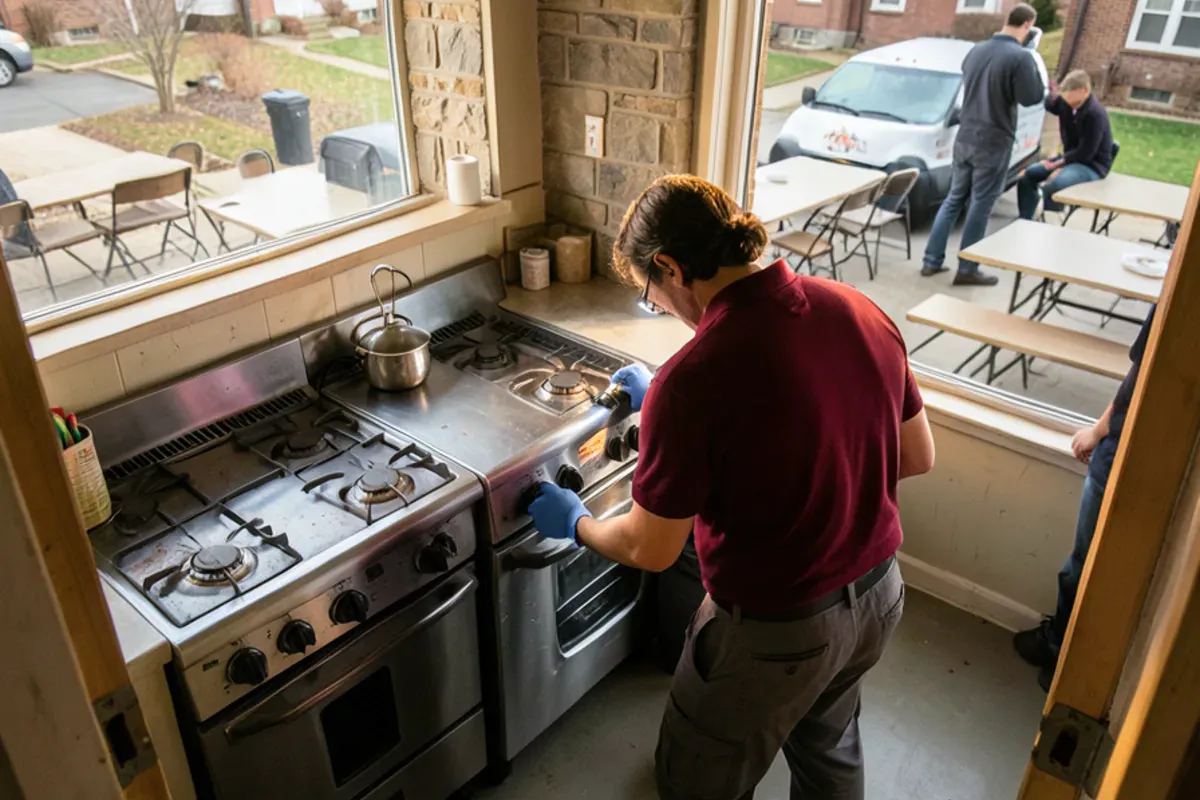
Chain stores and franchise locations are often asked by a district manager or landlord to show pest control records. The service log we leave after each visit covers what was inspected, what was found and what was applied, and it lists any building repair that belongs to the landlord rather than to you. A simple sightings sheet by the time clock helps staff report activity between visits.
What affects the cost of office and retail service?
Cost is set after a free inspection and given to you as a written quote. Expect it to reflect:
How the building is shared moves the quote most. A single suite in a borough storefront may be priced for its own space plus basement access, while an anchor store at a regional mall includes receiving docks, compactor areas and several stockrooms. Churches are often quoted by season, with fall rodent work in the fellowship hall and summer wasp checks at the eaves and steeple, rather than as a monthly program. Head-office reporting formats and after-hours entry can change the scope as well.
- Square footage of the suite or store
- Stockroom size and how much cardboard is kept
- Whether food is sold, stored or prepared
- Visit frequency, often quarterly for offices
- Before-opening or weekend scheduling
- Exterior work the lease assigns to you
- Sealing work in ceilings, doors and utility gaps
What our office and retail pest control includes
- Free inspection of the suite, stockroom and exterior
- Ant, cockroach, spider and stink bug treatment
- Mouse monitoring in stockrooms and ceilings
- Discreet baits and devices placed out of customer view
- Visits before opening or on weekends
- Written service log for landlords and head office
- Sealing and door sweep recommendations
Why call No Bugs Exterminator for office and retail pest control
Near the Baltimore Pike corridor
Our Media base puts Springfield, Granite Run and the Route 1 strip a few minutes away for Thom and his team.
Weekend availability
Being open 7 days lets offices book service when the suite is empty.
Small shops welcome
We serve homes and businesses of every size, so a single storefront gets the same attention as a larger building.
Written quote first
You see our findings and a written price after a free inspection, before you sign anything.
A log for the district manager
Each written service log lists findings, treatments and landlord-side repairs, ready to forward to a district manager or property office.
Where we provide office and retail pest control
Retail work takes us along Baltimore Pike in Springfield Township, past Springfield Mall and its post-war neighborhoods, and to the Granite Run area of Middletown Township just outside Media. We also cover the West Chester Pike strip in Marple Township and the office parks and stores around King of Prussia, where newer buildings still draw stink bugs and mice each fall.
- Springfield Township (Delaware County)
Springfield Mall and the Baltimore Pike retail rows share walls and dumpster pads, so a mouse problem behind one store can move down the line.
- Radnor Township
Lancaster Avenue offices and storefronts on the Main Line share older buildings and rear lots, so mice and ants move between neighboring suites.
- St. Davids
St. Davids Square retail and the nearby Eastern University campus bring steady deliveries and foot traffic, so stockrooms and break rooms need routine checks.
- Bala Cynwyd
City Avenue high-rises and offices at the Philadelphia line have drop ceilings and cable chases where mice and roaches travel between floors.
- Conshohocken
Riverfront offices and new apartment buildings along the Schuylkill draw stink bugs to sunny glass each fall and mice from the river corridor.
- West Goshen Township
Office parks on Route 202 beside West Chester have long, sunny walls where stink bugs gather in October and slip in through window seals.
- Plymouth Meeting
Plymouth Meeting Mall, big-box stores and offices off Germantown Pike share receiving docks and dumpster pads, where rodents find steady food.
- East Whiteland Township
The Great Valley corporate belt near Immaculata University has large office buildings whose break rooms and loading areas need scheduled monitoring.
- Upper Merion Township
King of Prussia offices, hotels and retail on the east side of Valley Forge see heavy deliveries and foot traffic that carry pests indoors.
What customers say on Google
4.8 out of 5 from 21 reviews on Google. Quoted as written by customers.
We use them for a year now very happy with the service for both of my businesses
Thom is a top-notch pest control specialist! And is one of the most genuine guys in the industry. He came to inspect a situation I had going on at the house, took his time, offered detailed advice, and didn’t take a penny.
Thom + his team were amazing. Very professional + provided me with a quote that made the most sense for my situation. Clearly I was not being gouged. Thom put the client first.
Office and Retail Pest Control: common questions
Can you treat a store without disrupting customers?
In most cases, yes. We schedule retail visits before opening or work in the stockroom, receiving area and back corridor while the sales floor is open. Baits and monitors are small and go behind fixtures and inside voids, so shoppers do not see them. If a sales-floor treatment is needed, we time it for when the store is closed.
What pests are most common in offices?
Ants and mice lead the list. Ants follow window frames and plumbing lines to break-room counters, especially after spring rain, and mice travel through drop ceilings and cable trays from October onward. German cockroaches sometimes arrive with vending machines or deliveries, and stink bugs gather on sunny walls in fall. Spiders around entry lights round it out.
Do you serve small shops as well as larger buildings?
Yes. We are a small, family-run business that serves homes and businesses, so a single boutique on State Street in Media matters to us as much as a multi-suite office building. Smaller shops often need fewer visits and fewer devices, and the free inspection tells us what your space actually needs before we quote.
Do you provide church pest control?
Yes. Churches have kitchens, basements, attics and eaves, which means ants, mice, cockroaches and wasps all show up. We schedule visits on weekdays away from services and events, focus on the fellowship-hall kitchen and storage areas, and leave a written service log for the property committee. Churches running a preschool may need closer attention to notice and timing.
In a shopping center, who handles pest control?
Often both sides share it. Many leases make the landlord responsible for the exterior, roof and common corridors, while the tenant handles the inside of the suite. When a problem crosses that line, such as rats at a shared dumpster pad, both need to act. Check your lease, and tell us who manages the center so we can coordinate. This is general information, not legal advice.
Related services
Helpful guides from our blog
Ready to get rid of the problem?
Thom and his team serve Media, Delaware County and southeastern Pennsylvania, open 7 days, 8 a.m. to 7 p.m..
- ★ 4.8 from 21 Google reviews
- Open 7 days, 8 a.m. to 7 p.m.
- Free inspection before treatment
- Family-run, based in Media, PA
Open 7 days, 8 a.m. to 7 p.m.