

Name the fly, then find what it is breeding in
Different flies point to very different sources. A quick look at the fly, where it gathers and what time of year it is narrows the search before we open a single drain.
| Fly | What it looks like | Typical breeding source | When we hear about it |
|---|---|---|---|
| Fruit fly | Tan, about 1/8 inch, red eyes | Overripe produce, recycling bins, mop buckets, drain film | Late summer and early fall |
| Drain fly | Fuzzy, gray and moth-like; hops more than it flies | Gelatinous film inside sink, shower and floor drains | Year-round, worse in unused bathrooms |
| Fungus gnat | Tiny, dark, long-legged, weak flier | Damp potting soil in houseplants | Winter, when plants come indoors and stay wet |
| Phorid fly | Small and humpbacked; runs across surfaces | Broken drain lines, wet organic debris under slabs | Any season; often points to a plumbing problem |
| House fly | Gray, about 1/4 inch, four dark stripes on the back | Garbage, pet waste, compost, manure | Summer |
| Cluster fly | Larger and sluggish, with golden hairs on the thorax | Earthworms in lawns; adults overwinter in attics | Fall entry, then warm winter days |
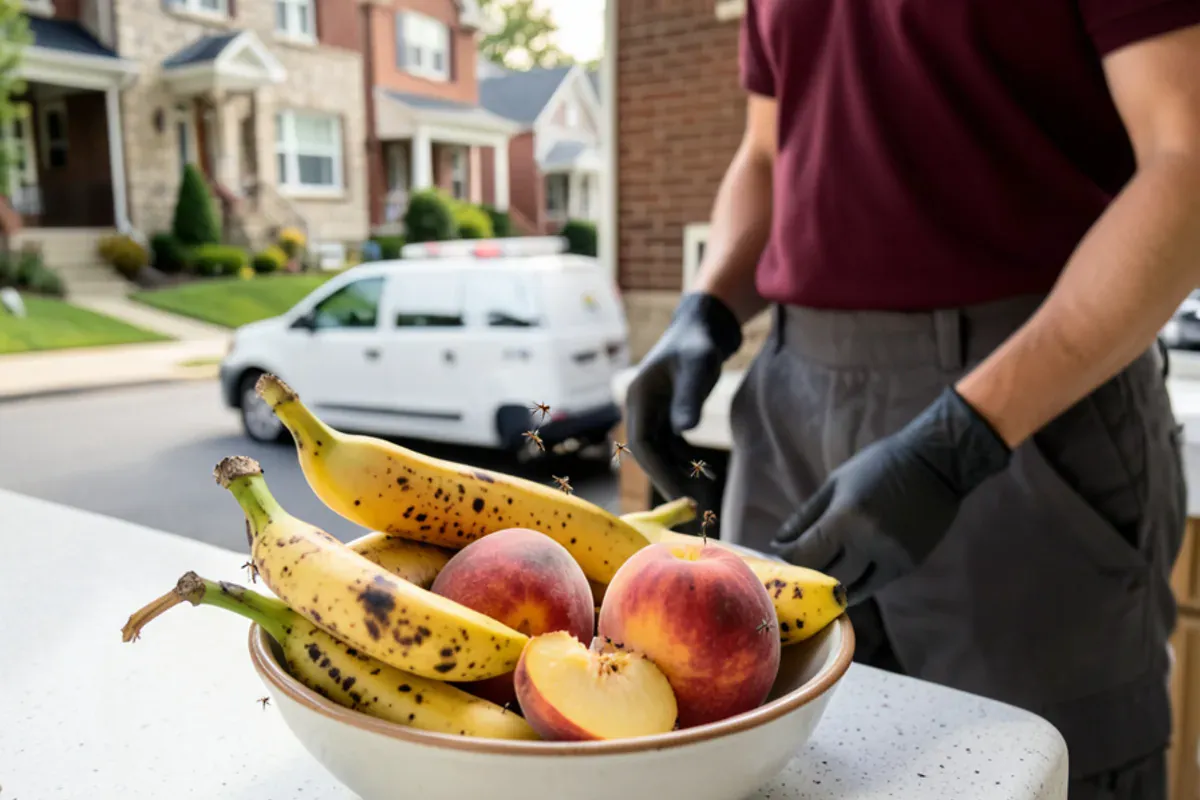
Why won't spraying the air fix a fly problem?
Adult flies are the last stage of the cycle. A house fly can go from egg to adult in about a week in summer heat, and fruit flies are nearly as fast, so every adult you kill is replaced by larvae already growing in the drain, trash or compost. Aerosol sprays also leave residue on counters and do nothing to the film inside a drain.
Watch for the signs that flies are breeding indoors rather than drifting in. The same species keeps turning up in one room with the doors and windows shut, tiny larvae or pupal cases show up in the recycling bin or around a drain opening, and numbers bounce back about a week after you clear the adults. Flies that appear only on sunny winter afternoons at upstairs windows are cluster flies coming out of the walls, which is a different problem altogether.
Lasting results come from removing or treating the breeding material, closing the way in, and only then using traps or targeted treatment for the adults left behind.
Drain flies and gnats in the house
Drain flies breed in the slimy layer of organic matter coating the inside of drain pipes, overflow openings, and floor drains in basements and laundry rooms. Bleach poured down the drain rarely helps because it rushes past the film. Scrubbing the pipe with a stiff drain brush and following with a product made to break down organic buildup, repeated over several days, is what works.
Gnats in the house are most often fungus gnats from houseplants; letting the top inch of soil dry between waterings breaks their cycle. If small humpbacked flies keep appearing near a floor drain or slab crack, a broken drain line under the floor may be the real source, and that calls for a plumber before any pest treatment.
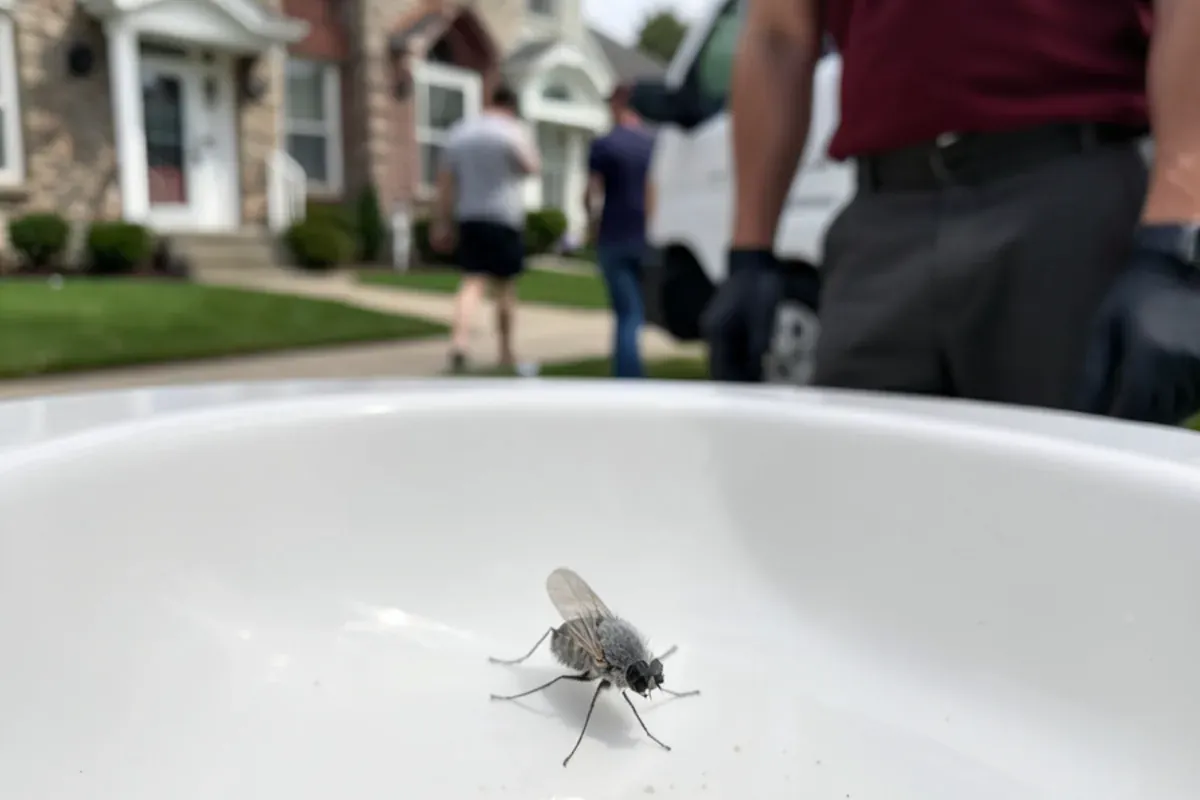
Cluster flies: the autumn attic guests
Cluster flies do not breed in your home. Their larvae develop as parasites of earthworms in lawns and fields, and in late summer the adults look for a sheltered place to spend the winter. Sunny south and west walls draw them to gaps around siding, soffits, window frames and attic vents, and they settle into attics and wall voids.
On warm winter and early spring days they wake up and drift toward light, which is why homeowners find them buzzing slowly at upstairs windows in February. Large lawns, open fields and horse pastures, common in western Delaware County and Chester County, mean bigger fall flights. The same timing and entry points apply to boxelder bugs and lady beetles, so one exterior visit in late summer can address all three.
Talk to us about fly control
Call and speak with Thom or his team. The inspection is free, and you get a written quote before any treatment.
- ★ 4.8 from 21 Google reviews
- Open 7 days, 8 a.m. to 7 p.m.
- Free inspection before treatment
- Family-run, based in Media, PA
Open 7 days, 8 a.m. to 7 p.m.
Where do house flies come from at homes, farms and restaurants?
House flies follow garbage, pet waste, compost and manure. At a house that usually means trash cans without tight lids, a dog run that is not picked up often, or a compost pile close to the back door. On properties with horses or livestock, manure management drives fly numbers more than any treatment can.
We also handle fly problems at restaurants, cafes and other food businesses, where dumpster pads, floor drains, grease areas and propped-open back doors are the usual sources. Details for food service are on our restaurant pest control page. Flies and ants often turn up together around sticky spills and sweet residue, which our ant control service addresses.
Our fly exterminator visit
Indoor breeding problems usually fade within two weeks of the source being removed. Cluster flies already inside walls are different: some keep emerging on warm days until spring, and the lasting fix is exterior treatment and sealing the following August or September.
Identify the fly
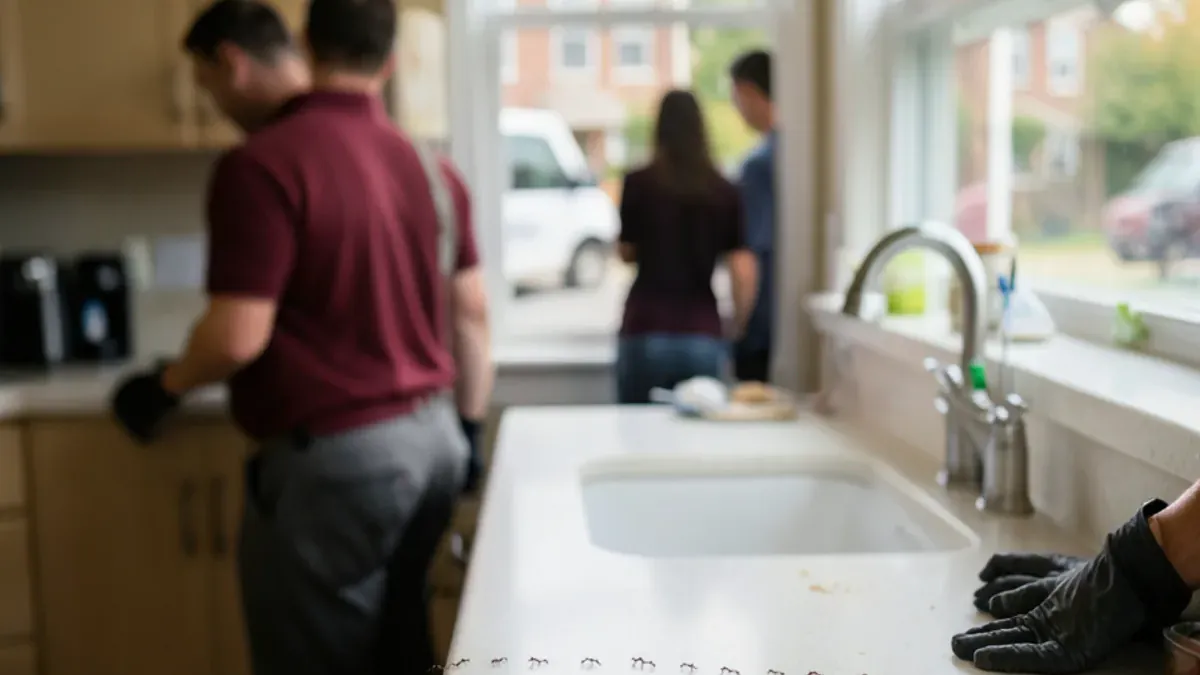
We examine specimens so the species points us toward the right kind of breeding source.
Search for breeding sites
Drains, trash areas, produce storage, houseplants, attics, wall voids and outdoor sources all get checked as the species dictates.
Written quote
The free inspection ends with a written quote that separates sanitation and repair items from treatment.
Source treatment
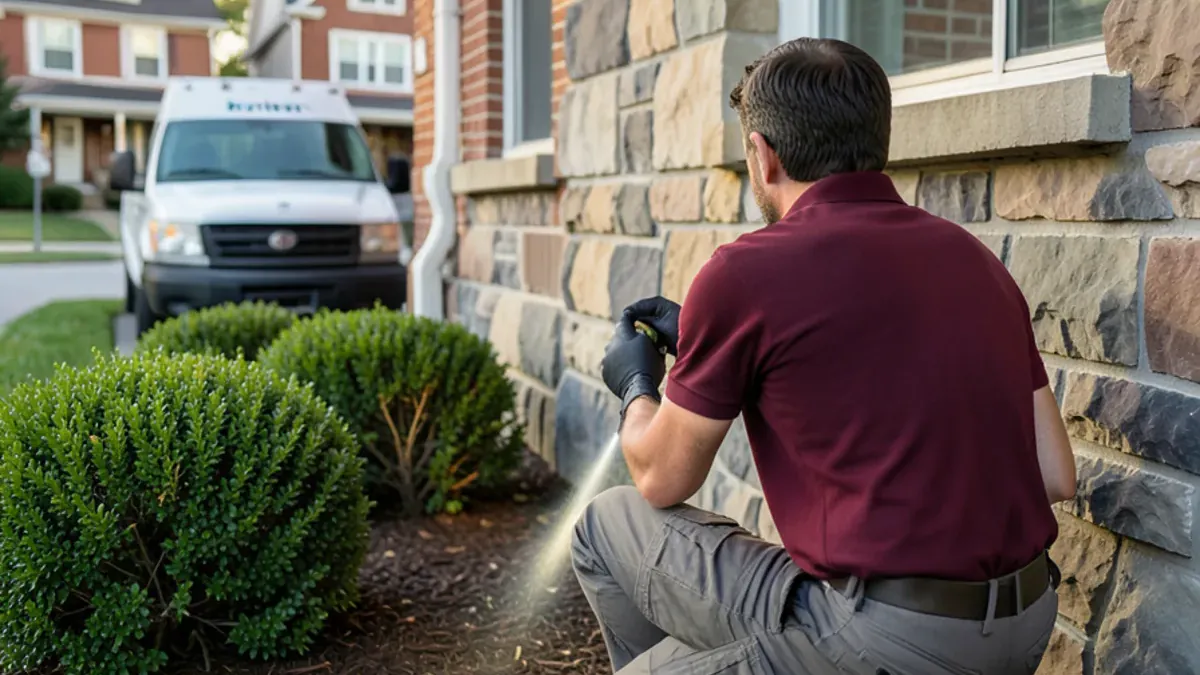
Depending on the fly, that means drain treatment, targeted treatment of breeding material, or exterior treatment of entry areas.
Exclusion advice
We point out torn screens, gaps at soffits and vents, and door sweeps that need attention.
Traps and follow-up
Traps or monitors confirm the adult population is falling, and we return when the quote includes follow-up.
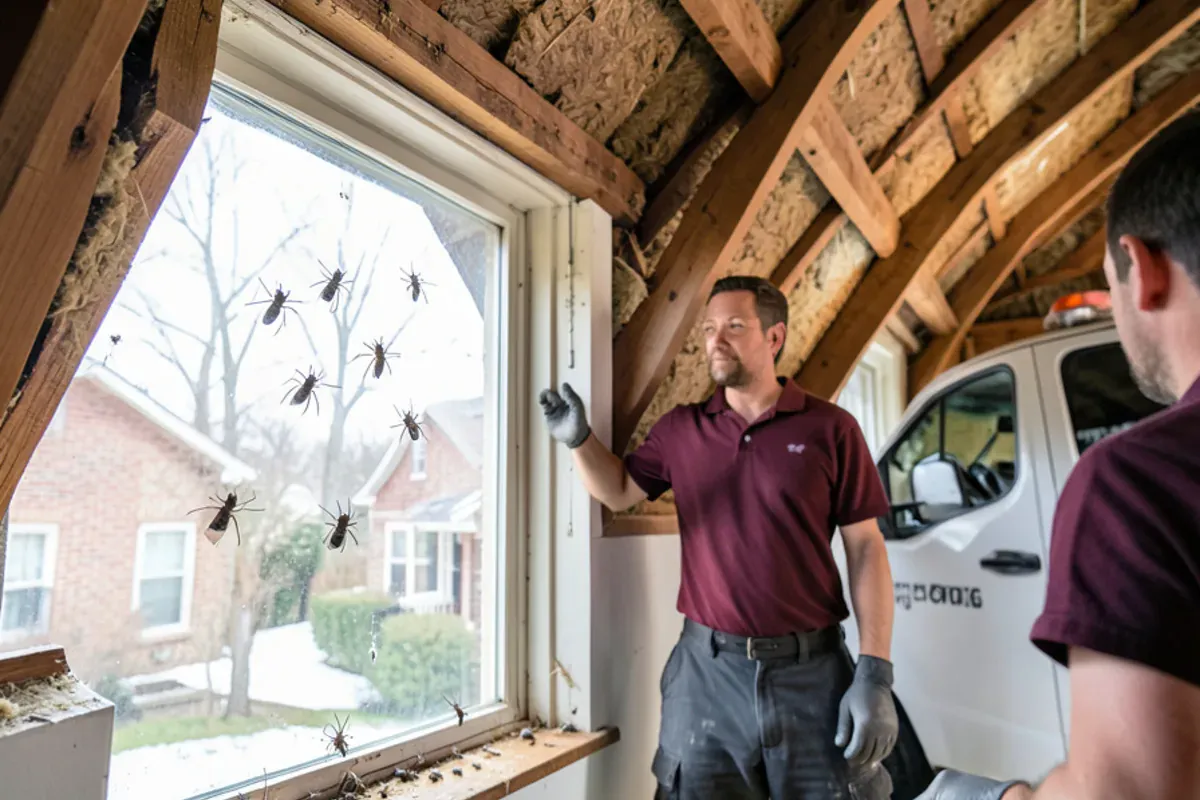
Fly Treatments Under Pennsylvania Food-Safety and Pesticide Rules
Fly baits, drain products and wall treatments applied for hire are covered by Pennsylvania's Pesticide Control Act of 1973. The Pennsylvania Department of Agriculture (PDA) licenses pest control firms and certifies the applicators who do the work, and you can ask any company for its PDA license number before treatment. Labels decide what may be used near food: many fly products are barred from food-prep surfaces or require food and dishes to be covered or removed first.
Food businesses carry a second set of rules. Restaurants are inspected under Pennsylvania's food safety regulations, by PDA or a local health department depending on the municipality, and inspectors look for live flies and the breeding sites behind them. A written record of pest service is useful to have on hand during those visits.
What fly control cost in Delaware County, PA depends on
Around Media and the rest of the county, the type of fly sets the scope. Drain flies in one guest bathroom of a Swarthmore twin may need only a cleaning plan and a single treatment, while phorid flies rising from a slab crack can mean a broken line under the floor and a plumber before any pest work. Cluster flies in the attic of a large Thornbury or Edgmont home call for exterior work on tall, sunny walls, which depends on height and ladder access.
Commercial jobs add their own variables: the number of floor drains, the dumpster pad and grease area, delivery doors that stay open in summer, and how often the kitchen needs a return visit during the warm months.
We quote before any work starts. Call (209) 563-1650 and describe what you are seeing; often the species can be narrowed down on the phone.
- The species and how many breeding sites we find
- Number of drains, floor drains and bathrooms involved
- Whether cluster flies are in the attic, the wall voids or both
- Height and access of exterior walls for fall treatment
- Commercial kitchens, dumpster areas and record-keeping needs
- Repairs such as screens, sweeps or plumbing handled by you or a contractor
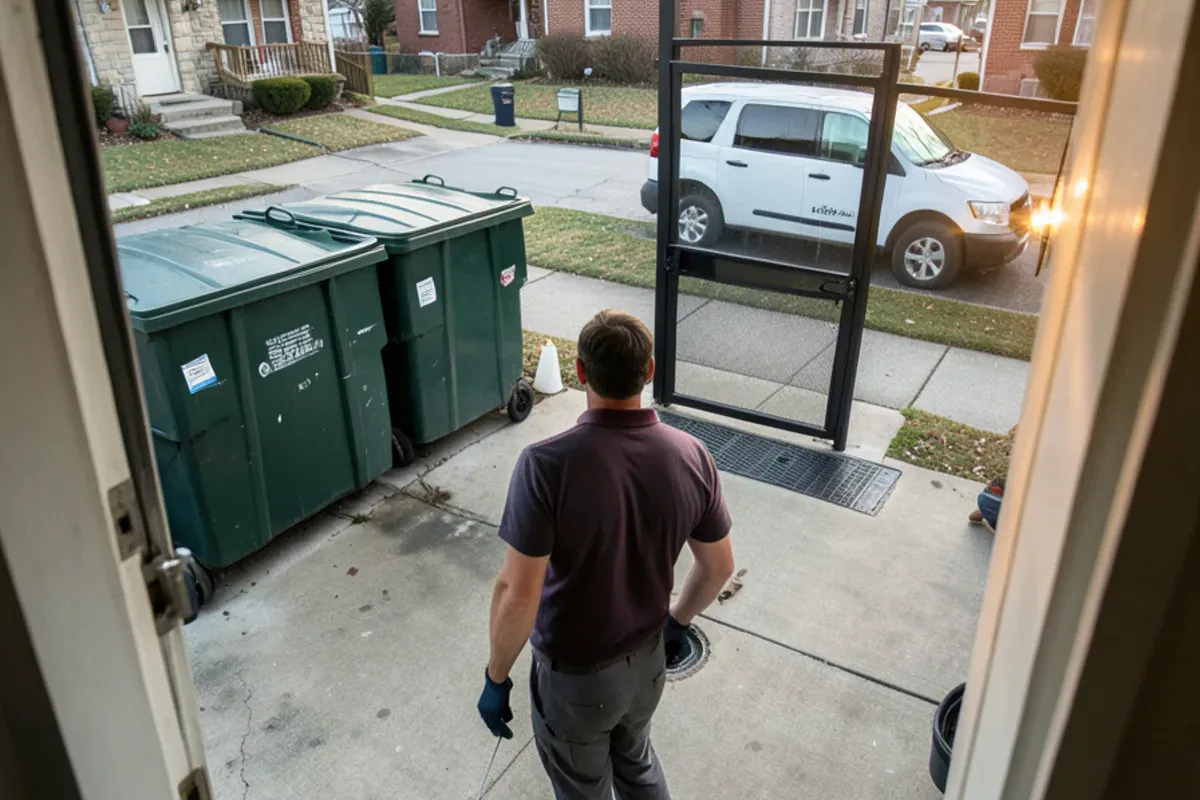
What our fly control includes
- Free inspection and fly identification
- Search of drains, trash areas, produce storage and houseplants
- Attic and exterior check for cluster flies
- Drain treatment for drain flies and phorid flies
- Exterior treatment of sunny walls and entry points in season
- Screen, sweep and gap list for exclusion
- Traps or monitors to confirm results
Why call No Bugs Exterminator for fly control
Kitchens at home and at work
We serve residential and commercial customers, so the same team can look at your home kitchen or your restaurant's back door.
Free look, written price
Thom and his team start with a free inspection, then put the price in writing.
Open every day
Fly problems flare in summer heat, and we are open 7 days, 8 a.m. to 7 p.m. Same-day visits are often possible when the schedule allows — call early in the day.
Rooted in Media
A small family business that puts Delaware County first and also covers the Chester County farm country where house flies and cluster flies run heaviest.
Where we provide fly control
Flies follow land use. Around Kennett Square, the self-described mushroom capital, and in the Unionville horse country of East Marlborough, farms and pastures support large house fly and cluster fly numbers. In Thornbury and Edgmont, big lawns and open fields feed the cluster flies that move into attics each fall.
- Chester County
Horse country and mushroom farms west of Route 202 produce the manure and compost that keep house fly numbers high on nearby homes all summer.
- Upper Providence Township (Delaware County)
Wide lawns around Rose Tree Park and the state park edge raise the earthworms cluster fly larvae feed on, so attics fill each fall.
- Aston Township
1960s and 70s split-levels with big yards in the Chester Creek valley see cluster flies at sunny gables and gnats in damp lower levels.
- Bethel Township
Subdivisions built on former farmland keep large lawns and nearby fields, ideal ground for the cluster flies that winter in attics.
- Concord Township
Restaurants and shops in Concordville at Routes 1 and 322 have dumpster pads and back doors where house flies breed in warm weather.
- Chadds Ford Township
Open fields and pasture along the Route 1 corridor near the Brandywine mean heavy fall cluster fly flights into older farmhouses.
- Media
Restaurants and walk-up apartments sit close together along State Street, so shared trash areas and old drains can feed fruit flies and drain flies in both.
- Springfield Township (Delaware County)
Baltimore Pike retail and the Springfield Mall area bring food-service trash and loading doors that draw house flies close to post-war homes.
- Newtown Township (Delaware County)
Large lots and open ground around Newtown Square support earthworm-rich lawns, which means big cluster fly numbers at attic vents each fall.
What customers say on Google
4.8 out of 5 from 21 reviews on Google. Quoted as written by customers.
No Bugs Exterminator is the best I have seen. The owner is the nicest person in the world, he doesn’t rush anything, and is very thorough in job.
Excellent service, very professional and friendly! Most importantly the results gave me peace of mind! Highly recommended!
Very happy with the service, they helped me quickly to control the problem.
Fly Control: common questions
Where do drain flies come from?
From the slimy organic film lining the inside of drains. Sink, tub and floor drains, overflow holes and rarely used basement showers all build up this layer, and drain flies lay their eggs in it. Guest bathrooms or finished-basement showers that sit unused for weeks are classic sources. Brushing the drain clean and treating the film stops new adults within a week or two.
What are cluster flies and why are they in my attic?
Cluster flies are a bit larger than house flies, sluggish, with golden hairs on the body. Their young live in earthworms in lawns, and adults move into attics and wall voids in late summer to spend the winter. They do not breed indoors but emerge on warm winter days. Sealing gaps and treating sunny exterior walls before September keeps most of them out.
Do you treat restaurant fly problems?
Yes. We serve commercial customers, including restaurants and other food businesses. A restaurant visit focuses on breeding sources such as floor drains, grease areas, dumpster pads, recycling and produce storage, plus the doors and screens that let flies in. Treatment is planned around food-prep areas and service hours, and you receive a written quote after the free inspection.
How fast do fruit flies multiply?
Very fast. In a warm kitchen a fruit fly can go from egg to adult in about a week, and each female lays hundreds of eggs. That is how a few flies around a banana become a cloud within two weeks. Removing overripe produce, rinsing recycling and cleaning drain openings stops the cycle faster than any trap.
Do fly lights and traps solve the problem?
They reduce and measure adults, but they do not remove the source. Light traps suit commercial back rooms, and bait or sticky traps catch fruit flies at home, yet new flies keep hatching until the breeding material is gone. We place traps after the source is cleaned or treated, mainly to confirm that numbers are dropping.
Related services

Helpful guides from our blog
Ready to get rid of the problem?
Thom and his team serve Media, Delaware County and southeastern Pennsylvania, open 7 days, 8 a.m. to 7 p.m..
- ★ 4.8 from 21 Google reviews
- Open 7 days, 8 a.m. to 7 p.m.
- Free inspection before treatment
- Family-run, based in Media, PA
Open 7 days, 8 a.m. to 7 p.m.